25 SLAPP lawsuits registered in North Macedonia since 2021
AJM and IFJ data show 25 cases since 2021; journalists report high‑value claims and call for legal aid and solidarity.

The International Federation of Journalists published data this week showing that 25 strategic lawsuits against public participation (SLAPPs) have been registered in North Macedonia since 2021, based on records from the Association of Journalists of Macedonia (AJM). Among the cases is a lawsuit against an investigative newsroom that, according to a reporter involved, seeks more than €100,000 in damages.
What the numbers show
AJM's internal register, released earlier this year, records the highest number of SLAPP-type cases in 2024 (eight). The breakdown by year is: 2024 — eight cases; 2023 — six; 2022 — five; 2021 — four. After 2024 the register shows one case in 2025 and one case registered up to March 2026. Separate regional data from the SafeJournalists network note that 16 new defamation suits were filed in 2025, not all of which meet the SLAPP definition.
Dragan Sekulovski of the Association of Journalists of Macedonia says these legal actions aim to drain journalists' time and money and to create fear, and he points to professional solidarity and community support as key responses to such pressures.
Investigative reporter Aleksandra Denkovska said the newsroom was sued by a private university and that "They are suing us for over €100,000" after publishing allegations about alleged money‑laundering through online gambling. The incident is logged in the SafeJournalists register; the federation's release did not include a statement from the university. Her colleague, investigative journalist Bojan Stojanovski, said they "do not face direct threats to life, but receive indirect messages that 'certain topics are better not investigated'."
The IFJ brief also recalls a long‑running court dispute launched by businessman Kocho Andjushev over a 2021 documentary about the import of polluting fuel used to heat hospitals and other public institutions. Andjushev denied the links alleged in the film. The lawsuit was initially dismissed in 2022, but a renewed procedure in October 2023 found the newsroom liable for defamation and challenged its status as a media outlet on the grounds that it was registered as an NGO. The Appellate Court confirmed the judgment in February this year, after which the newsroom said it would pursue available domestic and international legal remedies.
Anthony Bellanger, general secretary of the IFJ, warned that such suits aim to exhaust journalists "financially, psychologically and professionally," stressing the need for ongoing training and legal assistance. Legal expert Lazar Sandev urged journalists facing these procedures to notify professional associations and seek legal support.
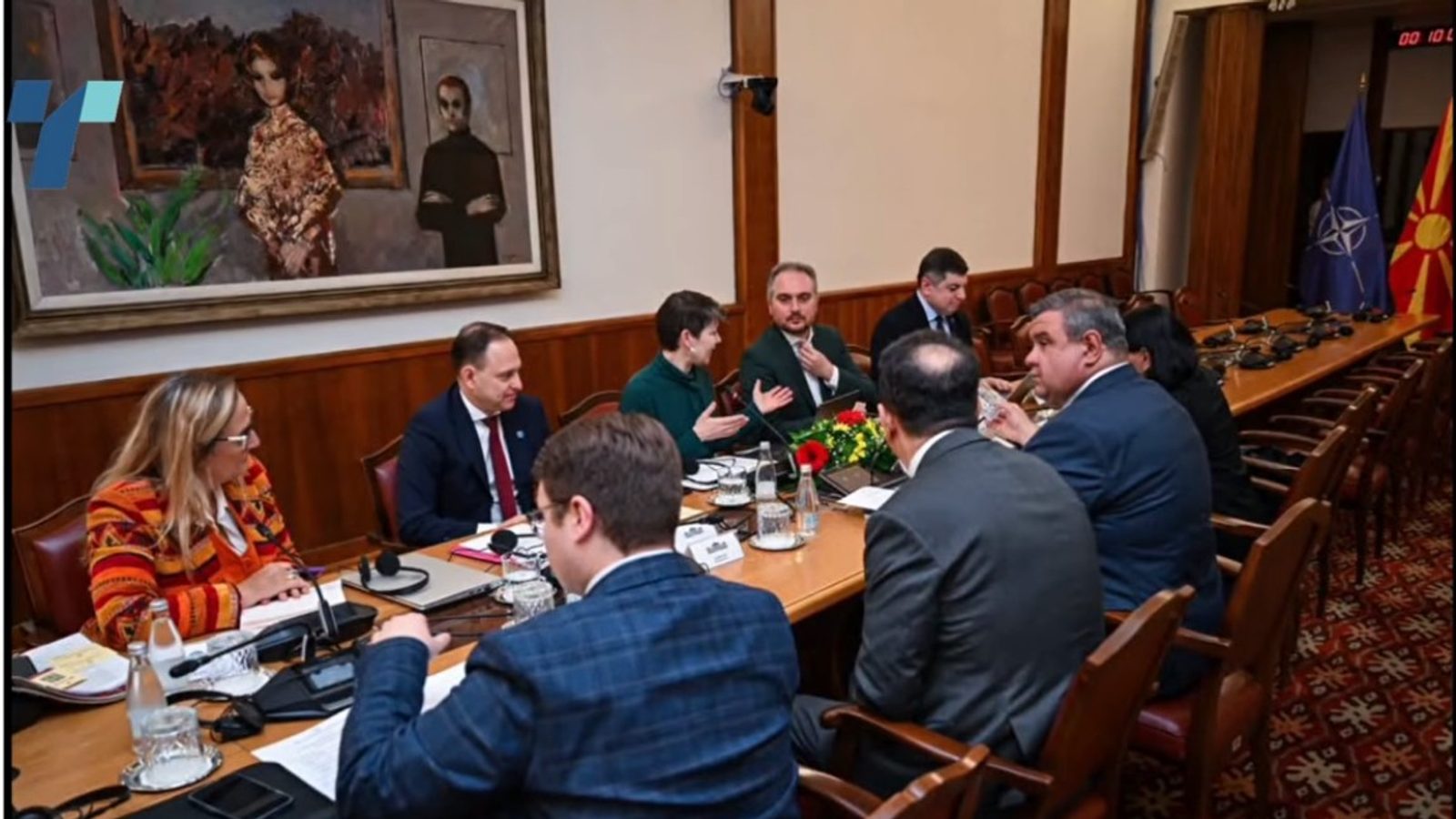
At the start of this year, following an initiative by AJM and a government conclusion, a working group was formed to establish protection mechanisms against SLAPPs and to align national practice with European standards. In July the Council of Europe published a practical guide on identifying and responding to such legal tactics. The IFJ's findings and testimonies were presented at a training session in Skopje on 24 November attended by 30 journalists, media workers and journalism students; the event was organised by the Independent Union of Journalists and Media Workers in partnership with the IFJ under a project funded by the European Union.
Journalists' associations say continued legal aid, professional solidarity and public awareness are among the most effective tools to limit the chilling effect of SLAPPs and preserve reporting on matters of public interest.
Photo: press material from the event