81 years since the atomic bombing of Hiroshima
On the morning of 6 August 1945 the United States dropped the bomb nicknamed "Little Boy" on Hiroshima; three days later Nagasaki was also attacked.
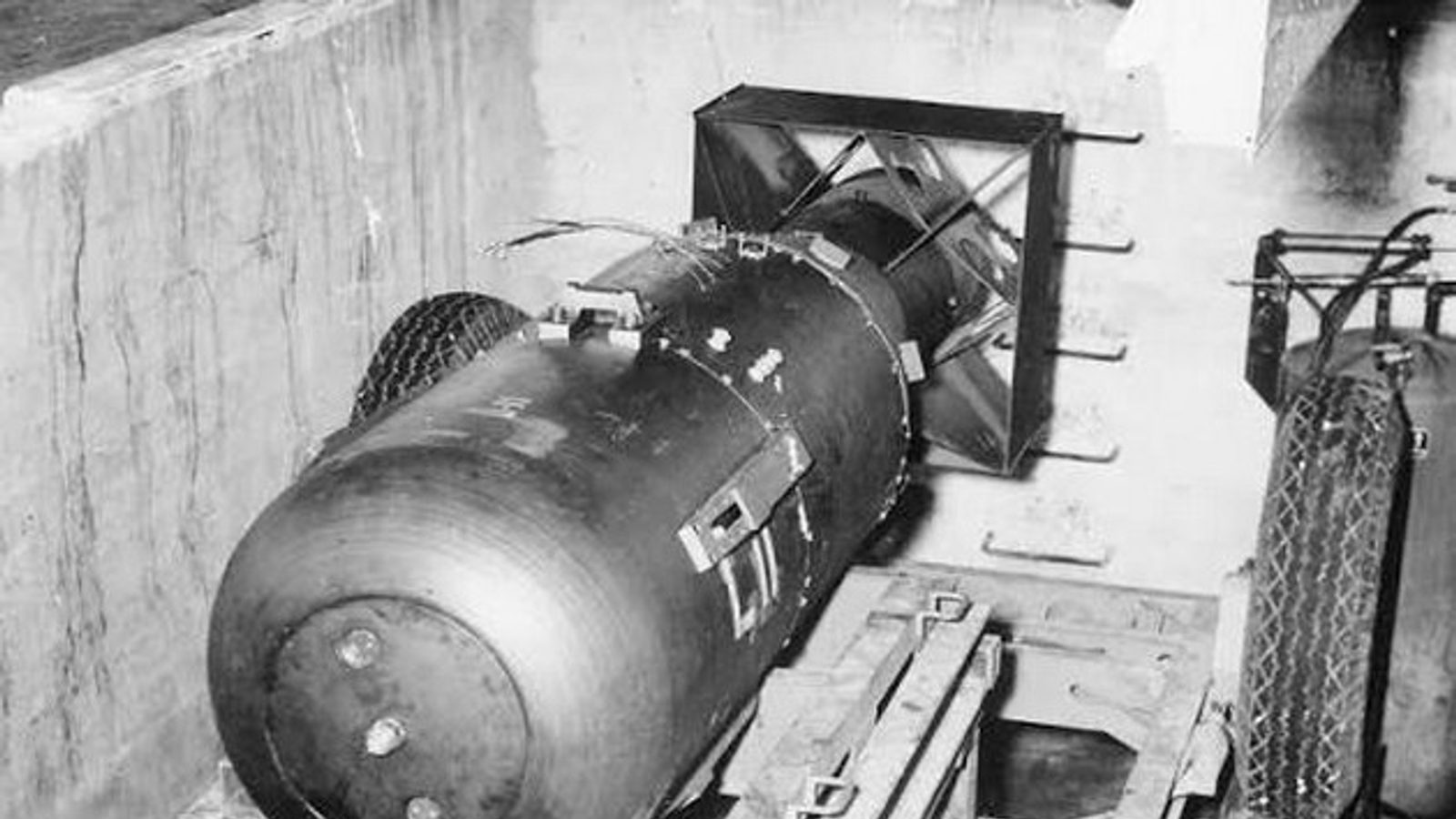
Today marks the 81st anniversary of the atomic bombing of Hiroshima, which took place on the morning of 6 August 1945.
That morning a uranium gun-type bomb, given the codename "Little Boy" by the United States, was dropped from an American aircraft over the city. Three days later a second atomic strike struck Nagasaki.
Human cost and destruction
The two attacks precipitated Japan's formal surrender in World War II on 2 September 1945. The physical and human damage from the bombs was vast: by the end of 1945 an estimated 150,000 to 210,000 people had died in Hiroshima as a direct or indirect result of the explosion.
Many victims were killed instantly by the blast and intense heat; others died later from injuries and radiation sickness. The bomb destroyed or severely damaged more than 60,000 buildings — roughly two thirds of the city's structures.
Each year the anniversary prompts reflection on the consequences of nuclear weapons and on the survivors' experiences, and it remains a defining and tragic moment in 20th-century history.
Photo: press material from the event