AfD and BSW demand Germany halt support for Ukraine after Magdeburg vote
The Magdeburg state parliament adopted a resolution urging an immediate stop to German aid to Ukraine; critics say the motion is symbolic, not legally binding.
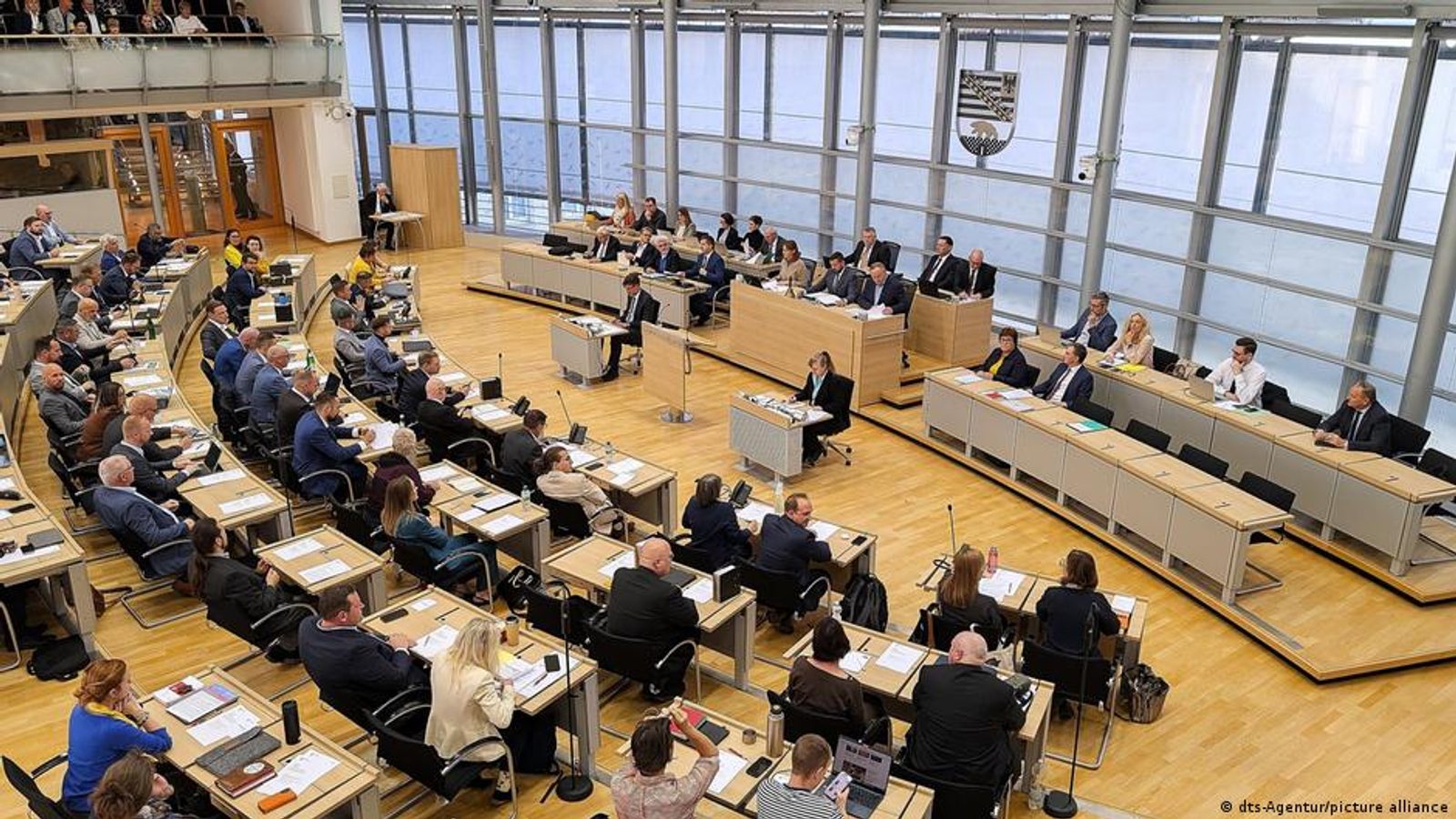
The Saxony-Anhalt state parliament in Magdeburg adopted a resolution on October 15, 2026, calling for an immediate halt to all German financial and military support for Ukraine — a motion that passed with votes only from the Alternative for Germany (AfD) and the Sahra Wagenknecht Alliance (BSW). ([amp.dw.com](https://amp.dw.com/en/germanys-far-right-afd-forges-a-pro-russia-alliance-with-the-bsw/a-79662413?utm_source=openai))
Because foreign policy is the responsibility of the federal government, the motion has no binding effect on Berlin; it is, however, a political signal from a regional parliament where the AfD emerged as the clear winner of September’s state election. ([landtag.sachsen-anhalt.de](https://www.landtag.sachsen-anhalt.de/landtag/abgeordnete/abgeordnetensuche?utm_source=openai))
Local motion, national implications
At the extraordinary session in Magdeburg the BSW's MP Claudia Wittig addressed state premier Sven Schulze, saying: "It is your responsibility to finally commit to peace in this way through the means available to you." The line was presented as a demand that the state ask the Bundesrat to press for negotiations with Russia. ([amp.dw.com](https://amp.dw.com/en/germanys-far-right-afd-forges-a-pro-russia-alliance-with-the-bsw/a-79662413?utm_source=openai))
Other parties reacted sharply. CDU deputy Stefan Ruland warned that "who asks for a ceasefire only from the attacked side is not asking for peace, but capitulation," arguing the motion reversed the roles of victim and aggressor. Those critical voices stressed that the Länder cannot unilaterally change federal foreign policy. ([amp.dw.com](https://amp.dw.com/en/germanys-far-right-afd-forges-a-pro-russia-alliance-with-the-bsw/a-79662413?utm_source=openai))
The vote comes after the September 2026 ballot in Saxony-Anhalt in which AfD won roughly 44 percent of the vote, while the newly represented BSW crossed the five-percent threshold to enter the Landtag with five seats. Analysts say the two parties’ shared skepticism toward Berlin’s Ukraine policy — and a growing pro-Russian orientation in parts of eastern Germany — explain their cooperation in the state parliament. ([wahlergebnisse.sachsen-anhalt.de](https://wahlergebnisse.sachsen-anhalt.de/wahlen/lt26/sitze.html?v=1788768724417&utm_source=openai))
Observers point to recent informal encounters that helped build trust between AfD and BSW deputies, including a joint dinner in early October hosted by figures associated with the magazine Compact. The historian Ilko-Sascha Kowalczuk warned that while AfD and BSW remain politically isolated at the national level, their positions could erode broader solidarity for Ukraine and influence larger segments of mainstream parties. ([jux.news](https://jux.news/p/74994/wagenknecht-rugt-bsw-fraktion-nach-afd-dinner-bei-compact?utm_source=openai))
Photo: press material from the event