Elephants near Mount Elgon use dozens of plants to treat illness, study finds
Research based on interviews with local residents reports 35 plant species used by elephants, with 25 known locally for medicinal properties.
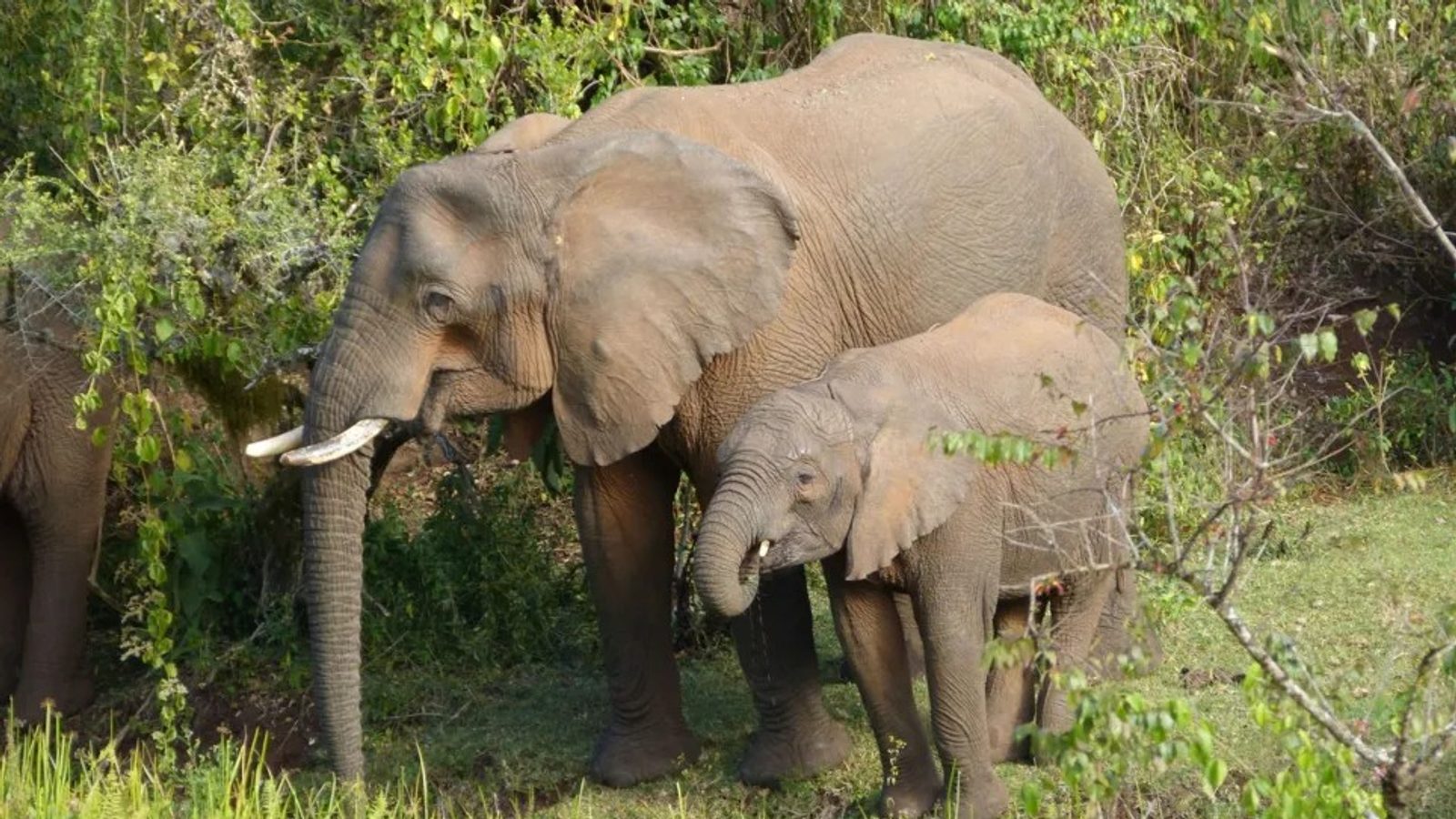
A new field study from the Mount Elgon region of Kenya reports that African elephants turn to a wide range of wild plants when they are sick, and sometimes appear to share those remedies within family groups.
Researchers interviewed people who live and work alongside elephant herds around Mount Elgon and compiled the local observations into a list of plants used by the animals. According to the study, elephants make use of 35 different plant species for medicinal purposes; locals recognise 25 of those species as having traditional healing properties.
Detailed observations and a specific example
One wildlife ranger described seeing elephants use a plant referred to locally as "angurvit" to treat calves. The ranger said female elephants prepare the material in their mouths: they strip the leaves and chew them until they form a soft paste, sometimes combining them with roots from other trees before offering the mixture to the young.
Elodi Frejman of Brown University, one of the lead researchers on the project, commented: "This shows how intertwined our medicines are with the nonhuman world." Her remark highlights the authors' argument that traditional human knowledge and animal behaviour can overlap in surprising ways.
At the same time, the study’s authors and outside experts caution against overinterpretation. Professor Michael Huffman, a primatologist working in Japan, said the case is intriguing but that more evidence is needed to confirm whether elephants are intentionally administering specialised medical treatment to their calves.
The study opens questions about how animals identify and use pharmacologically active plants and how local human knowledge can help scientists prioritise species for chemical analysis. The researchers recommend follow-up fieldwork combining botanical identification, chemical testing and direct behavioural observation of the elephants.
Photo: press material from the event