Ajdari accuses selective enforcement of foreign‑income taxes; Finance Minister: "The tax does not recognise ethnicity"
Ajdari said 90% of affected cases are Albanians; Finance Minister replied that tax law allows recovery up to five years and must be applied equally.
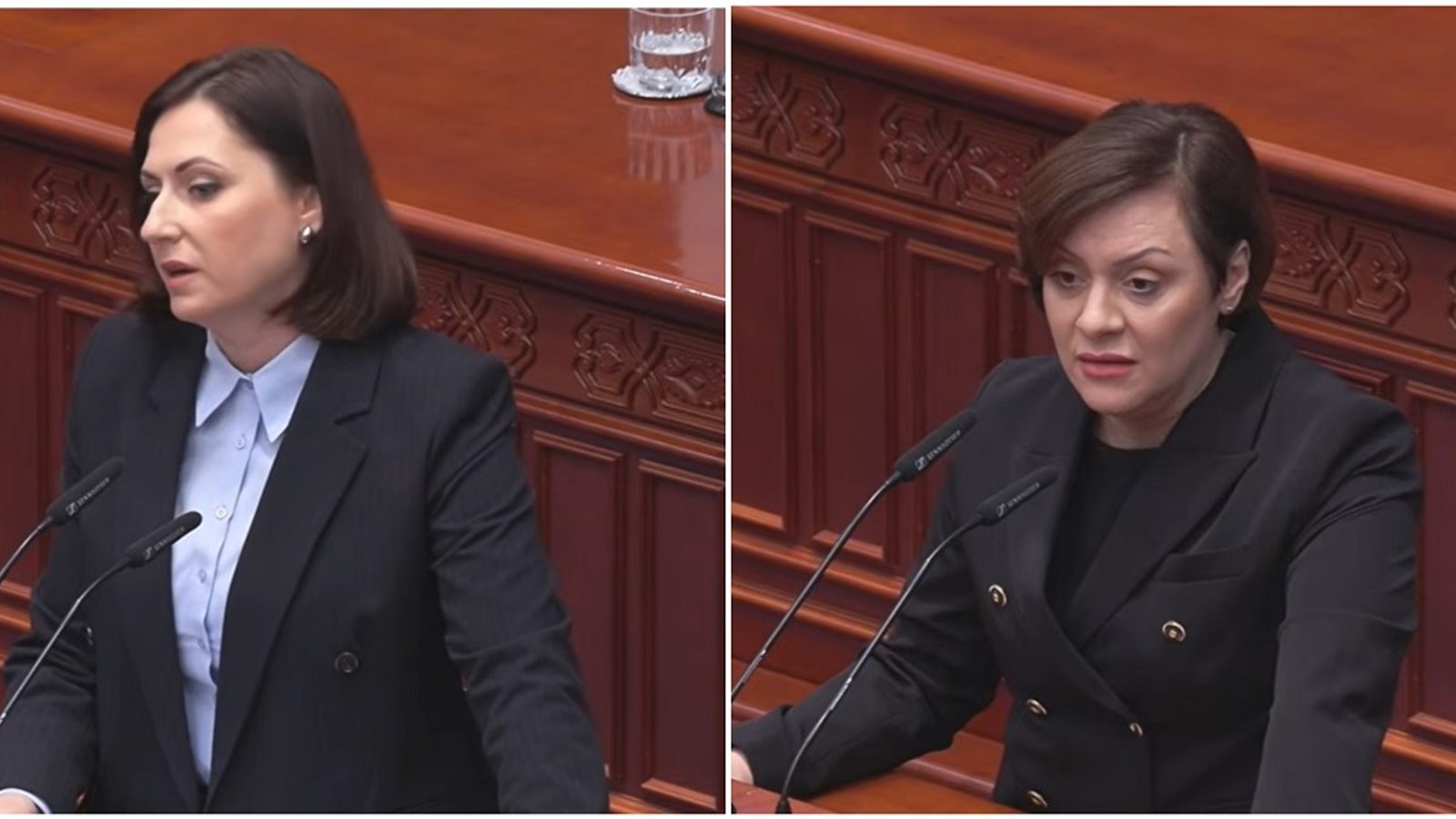
Opposition MP Rina Ajdari accused the Public Revenue Office (PRO) in parliament of selectively pursuing retroactive tax claims for citizens who earned income abroad, saying the most affected are ethnic Albanians from the Polog and Kumanovo regions.
Minister: law allows collection up to five years back, not retroactivity
Finance Minister Gordana Dimitrieska‑Kocoska rejected the allegation that the campaign has an ethnic motive and told lawmakers the tax rules do not distinguish between communities. She argued that the legal framework permits tax authorities to audit and demand unpaid taxes for up to five years, and that this is not retroactive application of the law.
Ajdari told the Assembly that many of those summoned by the PRO risked their lives while working abroad and that "90 percent of the affected cases are Albanians," asking whether it is fair and lawful to demand retroactive payments from such citizens. She also voiced concern the enforcement is concentrated in Skopje, Kumanovo, Gostivar and Tetovo.
In her reply Dimitrieska‑Kocoska stressed that linking tax enforcement to ethnicity is inappropriate and said initial complaints on this matter had come from people in Kumanovo who worked in Afghanistan and were ethnic Macedonians. She told MPs that the central question is whether tax was paid or not, and that the PRO had repeatedly informed the public about obligations for income earned abroad.
The minister said inspectors and regional offices may now be performing controls that were not carried out earlier, but that any failure to check in the past does not erase the legal duty to settle unpaid taxes within the statutory period. "Under the law there is a five‑year period during which the Public Revenue Office must establish and seek payment of unpaid liabilities," she said, adding that the law does not recognise Macedonians, Albanians or any other ethnicity when it comes to taxes.
Both sides urged transparency: Ajdari demanded institutional accountability and a clear, non‑discriminatory approach to citizens who allegedly owe taxes; Dimitrieska‑Kocoska reiterated that the rules apply equally and asked that ethnic identities not be mixed into tax obligations.
Photo: press material from the event