Set air conditioners to about 25°C when it is 39°C outside, recommends public‑health official
Dr. David Zdraveski from the Institute of Public Health lists precautions for the elderly, workers and pregnant women and explains when to call emergency services.
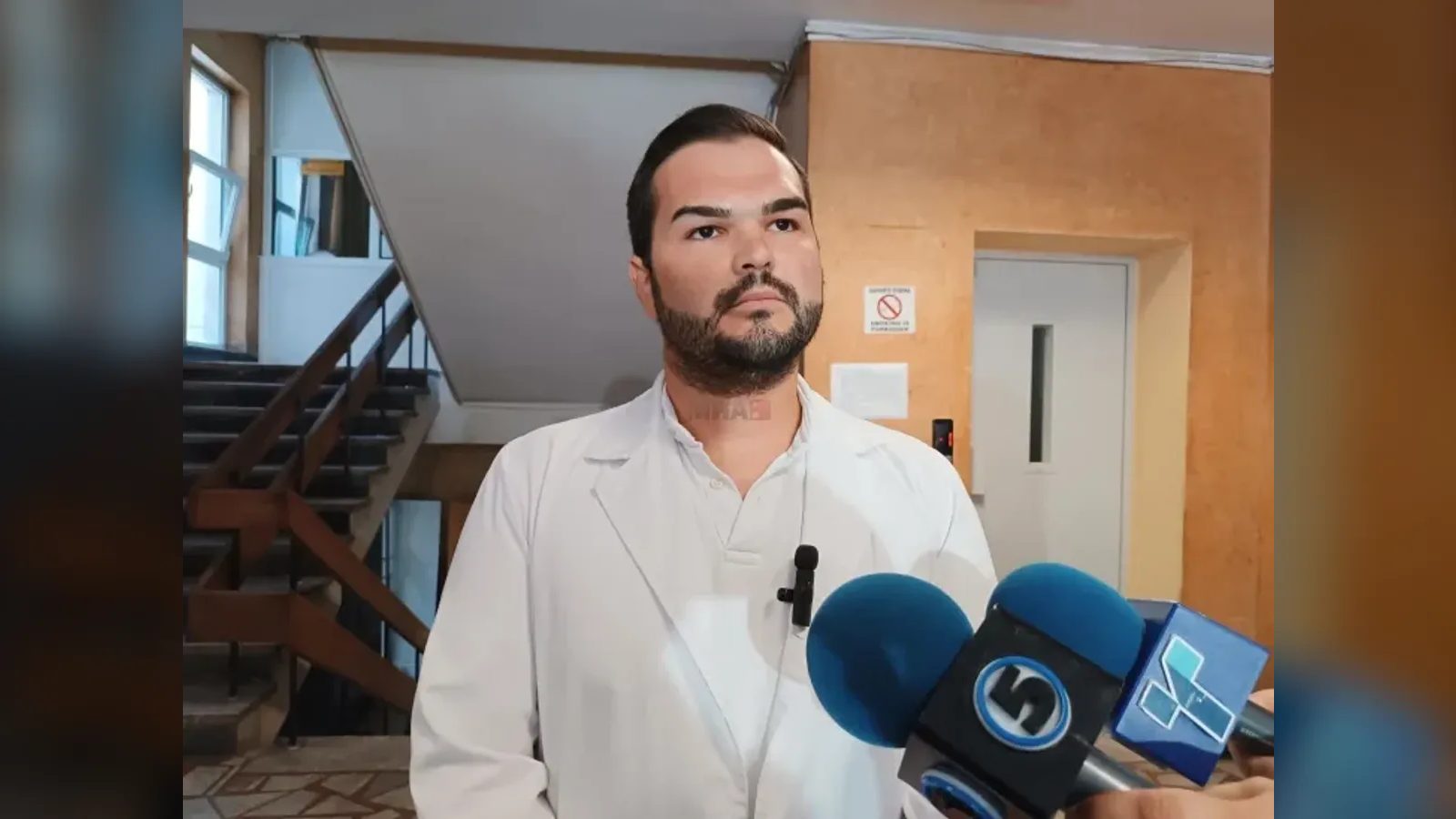
Dr. David Zdraveski, head of the Department for Health Promotion and Disease Surveillance at the Institute of Public Health, advised that when the outdoor temperature reaches 39°C, air conditioners should be set to around 25°C so the body can adjust if people step outside.
"Among the general public-health recommendations that everyone should follow, the basic and first one is to avoid strenuous physical activity during the day — namely from 11:00 to 17:00. If workers are exposed to these temperatures, especially those working outdoors, they should have more breaks during the day, be less exposed to the sun and stay in the shade, and drink large amounts of fluids," Dr. Zdraveski said.
Who should take extra care
He warned that people older than 65 who take regular medication must consult their family doctors if they feel unwell during the day, and that those living alone should keep in regular contact with neighbours or friends so help can be summoned quickly. For urgent medical help the public was reminded to call 194 or 112.
Pregnant women should follow the advice of their attending gynecologists, and people with chronic illnesses must continue taking their prescribed treatments. Zdraveski also confirmed a recommendation that people over 65 avoid using ovens and other heat-producing appliances from 13:00 if possible, because they increase indoor temperature.
"Additional recommendations to follow are bathing more often during the day with lukewarm water, or spending time in cooler rooms. Those who work indoors or stay at home should remain in air-conditioned spaces. If the outside temperature exceeds 35°C, air-conditioned rooms must be cooled by air-conditioning units, not by fans, because fans are effective only up to 35°C. Above 35°C it is best to be in air-conditioned rooms with shutters lowered and windows appropriately closed. After 17:00, windows are recommended to be opened to ventilate the air," Zdraveski added.
He listed the main signs of heat stroke to watch for: "These are general symptoms such as dizziness, headache, unconsciousness; muscle cramps may also occur. If a muscle cramp appears and is not relieved within an hour by cold water and adequate hydration, emergency medical help should be called immediately. One should be careful. Also, hot dry skin should be recognised and either an ambulance called or the patient taken to a family doctor if possible," Zdraveski recommended.
Meteorologists expect very high temperatures up to 40°C over the next two days, with a slight cool-down forecast for Thursday.
Photo: press material from the event