U.S. intelligence warns Putin could test NATO unity with a limited attack
Assessments say Moscow might carry out cyberattacks or a limited incursion — most likely targets the Baltic states or Poland.
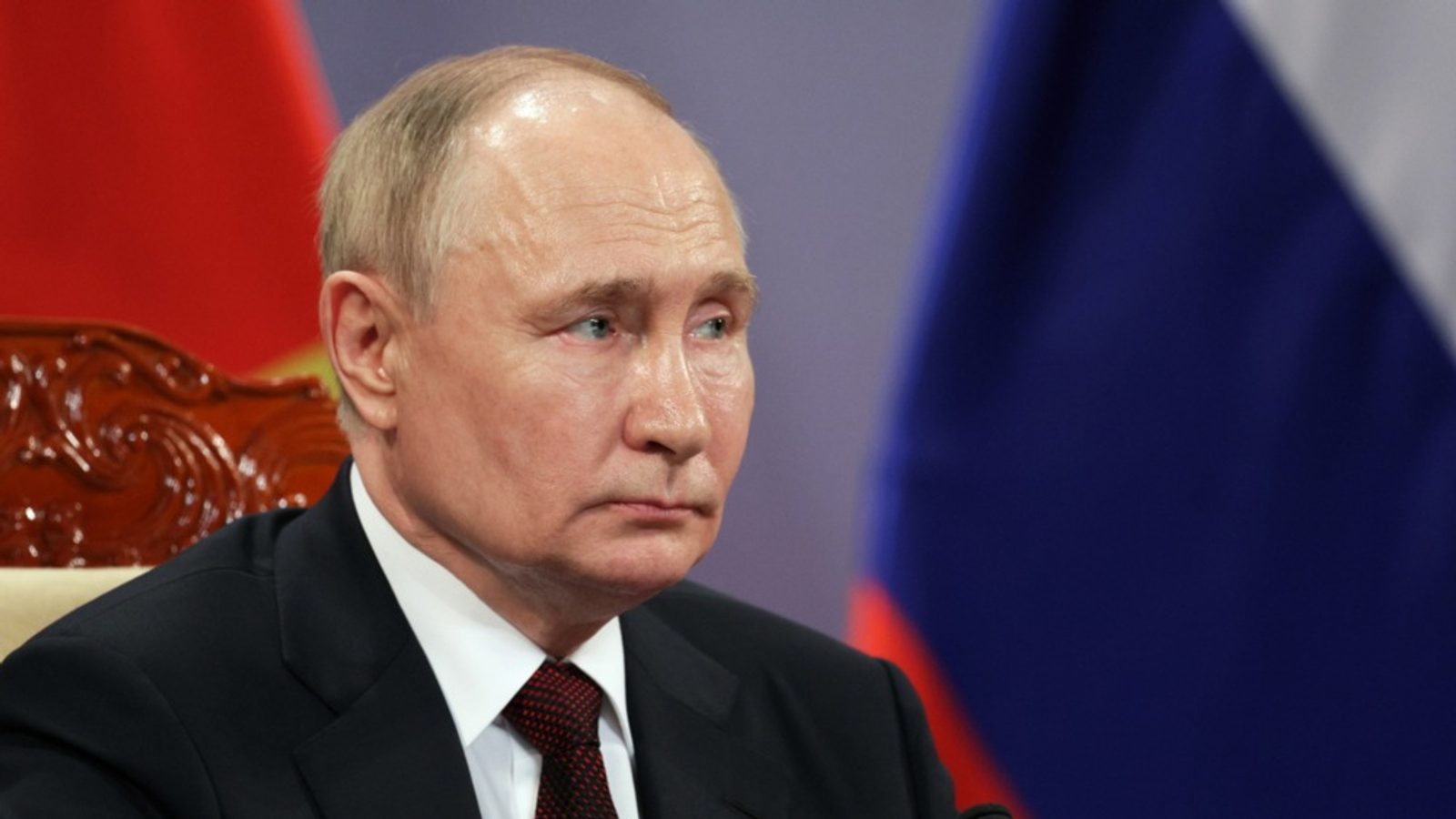
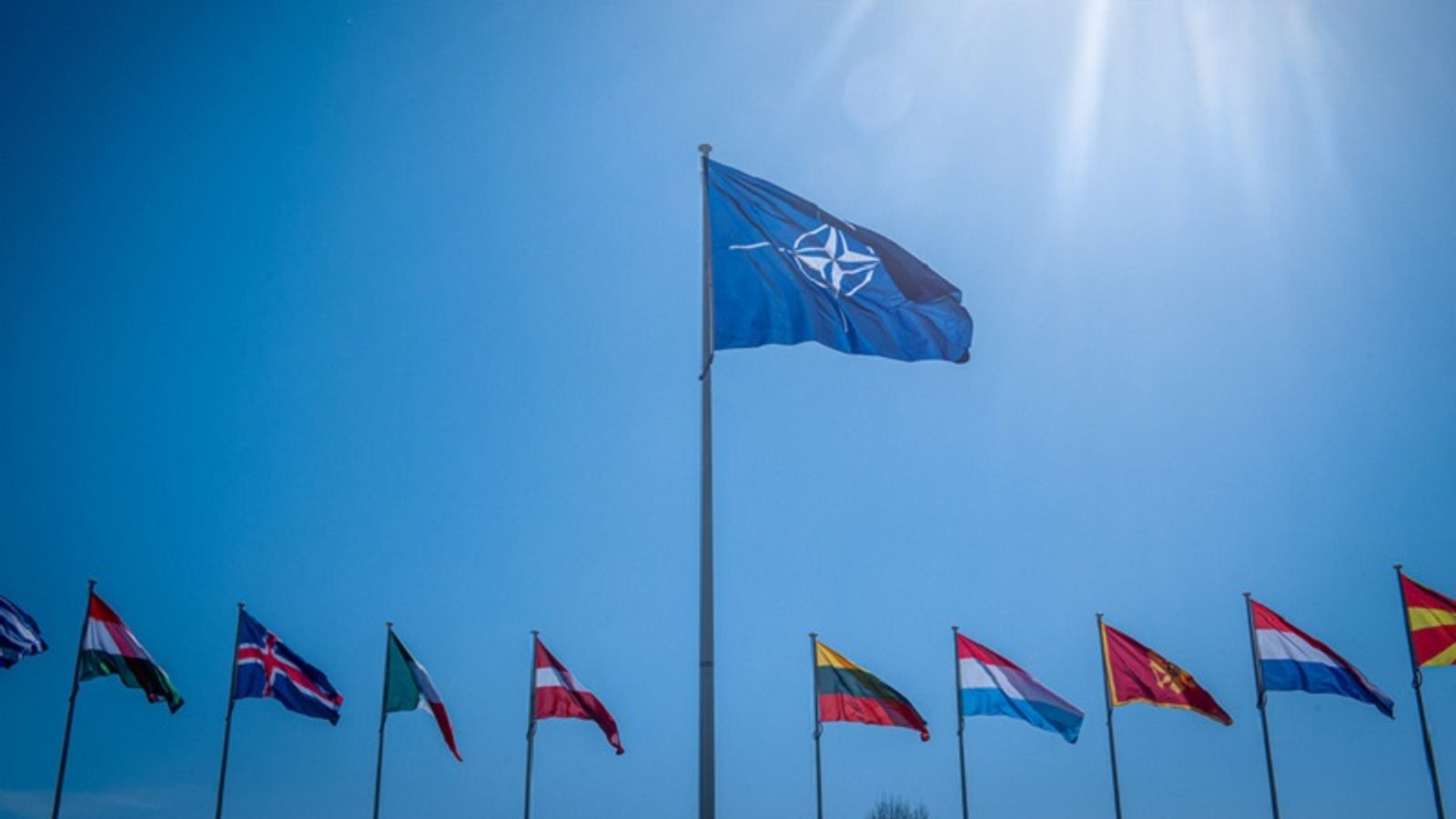
U.S. intelligence assessments warn that Russian President Vladimir Putin could try to test NATO's resolve in the coming years by carrying out a limited attack against a member of the Alliance. Analysts say Moscow might choose a range of escalation options—from a major cyber operation to a small cross‑border incursion—aimed at probing whether NATO would invoke Article 5.
Intelligence reports reviewed by U.S. services identify the Baltic states and Poland as the most likely targets if such an escalation occurs, but officials say there is no certainty about timing or the exact form an attack would take.
Allies say they are monitoring and preparing
NATO has declined to comment on classified intelligence but stresses that it continuously prepares for multiple contingencies. "NATO is monitoring the situation and we are prepared to deter and defend when required," the Alliance said in a brief statement.
The warnings follow a string of incidents involving Russian aircraft and activities in or near NATO airspace. In May of this year an explosive-laden drone struck a residential building in Romania while Russian forces were attacking a nearby Ukrainian port, and in September of last year NATO fighters shot down several Russian drones that violated Polish airspace during an attack on Ukraine.
Concern increased after an explosive device mounted on a drone was discovered in a secured zone at Leipzig/Halle airport in Germany; U.S. officials assessed the device was linked to Russian intelligence. German Interior Minister Alexander Dobrindt warned that "Drones and threats with drones, including in a hybrid context, are something we know from the past. But a drone armed with explosives at an airport represents a new threat scenario."
U.S. planners say the risk of escalation is shaped by how Moscow views its options if it cannot find a politically acceptable exit from the war in Ukraine. The assessments also note strains on U.S. stocks of key munitions and interceptors after the conflict with Iran, with nearly 80 percent of THAAD interceptors expended and roughly half of Patriot interceptor missiles used—shortages that are already influencing how commanders plan for possible future conflicts, including a potential Russian escalation against NATO or a confrontation with China in the Pacific.
Photo: PA-EFE/SERGEY GUNEEV/SPUTNIK/KREMLIN POOL MANDATORY CREDIT