Mladost reservoir: no cyanobacteria detected, authorities call for continued monitoring
HBZ tests from 2 September show no cyanobacteria or cyanotoxins; local works aim to reduce sediment inflow and boost reservoir supply.
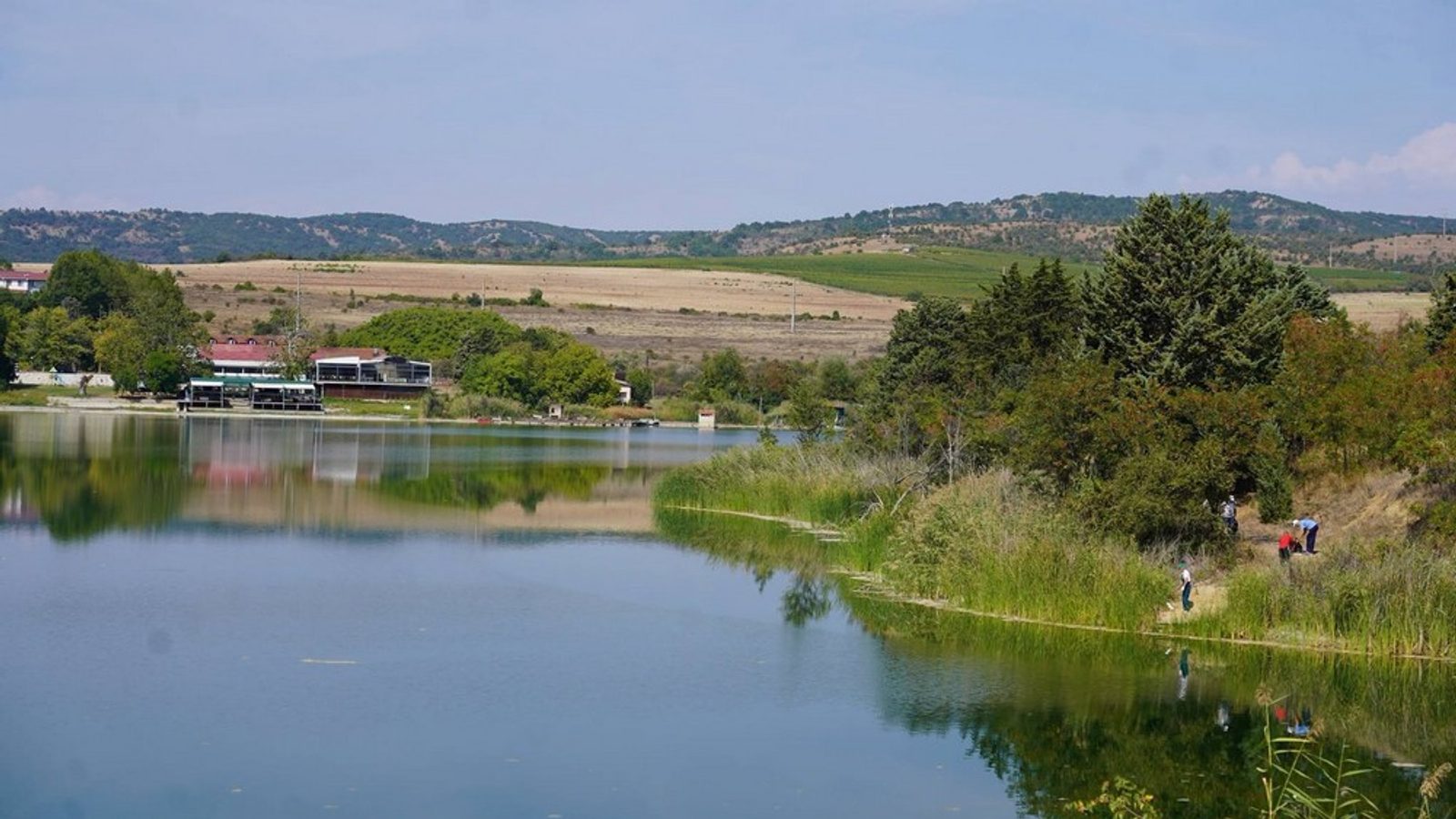
Analyses carried out by the Hydrobiological Institute (HBZ) in Ohrid, on commission from the Municipality of Veles, found no cyanobacteria or cyanotoxins in the waters of the Mladost reservoir. Samples were collected on 2 September from two points: the City Beach and the beach in front of the Hotel Romantic.
In its written report HBZ notes the negative result for cyanobacteria but warns that seasonal shifts in the phytoplankton community can produce rapid changes when temperatures and nutrient levels become favourable. "In the analyzed samples from this month, the presence of cyanobacteria was not detected, so production of cyanotoxins of cyanobacterial origin is not expected. However, due to the seasonal dynamics of the phytoplankton and the possibility of rapid changes under favourable temperature and nutritive conditions, continued monitoring of cyanobacteria and cyanotoxins during the next season is recommended," the institute states.
The phytoplankton analysis also recorded a strong presence of green algae, a notable share of charophyte algae, and the presence of dinoflagellates at the sampled sites.
Two years earlier HBZ had detected cyanobacteria in the reservoir, which prompted bans on bathing, watering and recreational use. During the past summers, the Center for Public Health Veles repeatedly requested such testing; until recently Macedonia lacked an accredited laboratory for these analyses and environmental groups called for testing abroad in Novi Sad or Ljubljana before the HBZ testing was arranged.
Current water-quality details and local measures
The microbiological indicators from both beaches were rated as excellent. Chemical and physical parameters showed ammonia in the fourth class, turbidity and dry residue in the third class, and the remaining tested parameters ranking in the second and first classes. During the summer the water had been allowed for irrigation of nearby vineyards.
Separately, municipal crews finished cleaning a further 800 metres of the Otovicka River bed; an earlier stretch of 460 metres had already been cleared. Reeds, mud and waste were removed to increase the river's discharge capacity and reduce the sediment load reaching the reservoir. Work is also underway to connect electrical power to pumps fed from boreholes dug at Otovicka and Rudnicka rivers; water from those sources will be brought to the reservoir by hoses, and officials expect that connection to be completed in about ten days.
Photo: SDK.MK)