UN climate summit in Antalya yields weaker final text, omits fossil fuels and 1.5°C pledge
A softer Antalya text and contested proposals on carbon capture and electrification deepen divisions as the summit overruns its schedule.
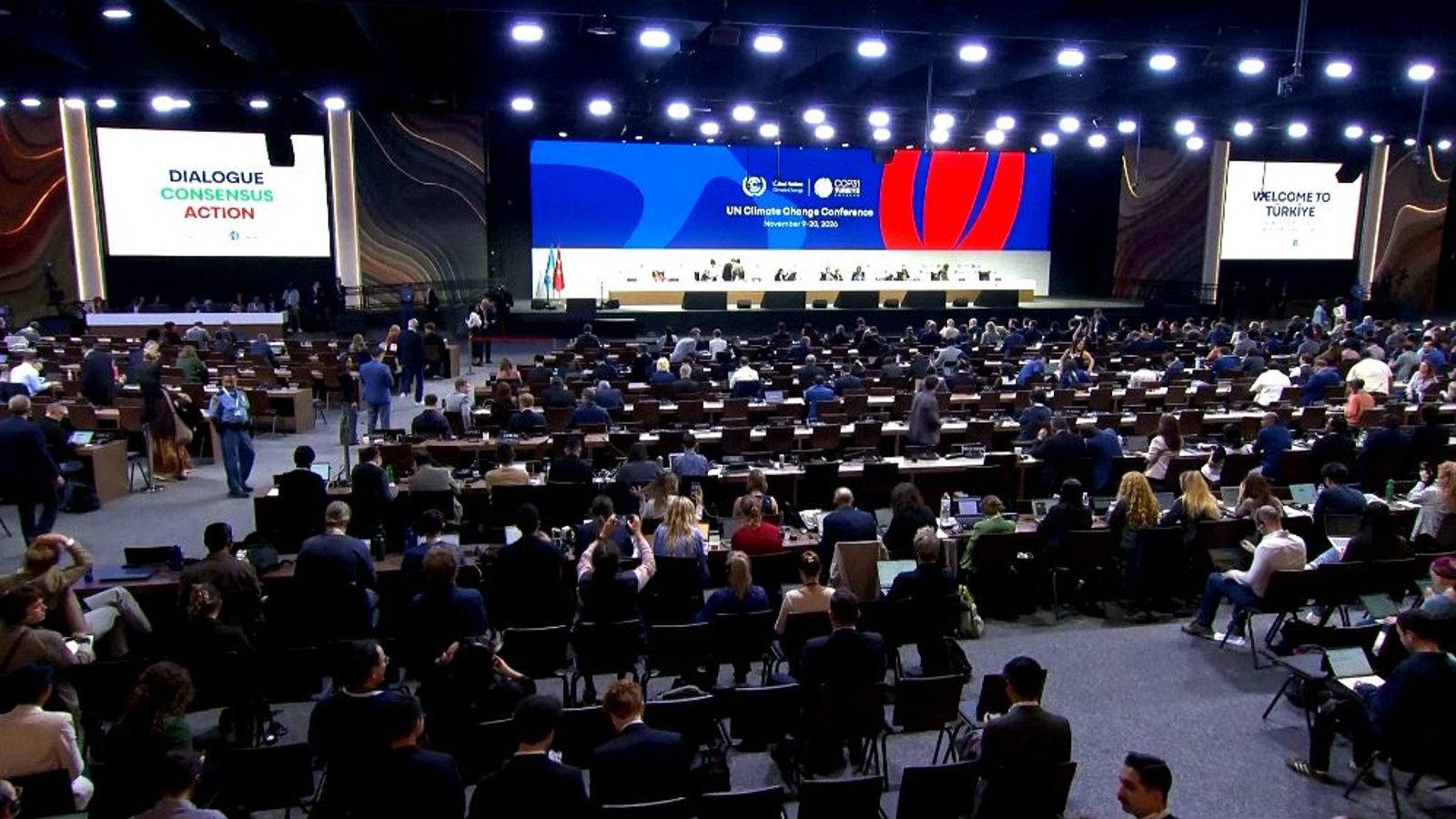
Negotiators at the United Nations climate summit in Antalya have circulated a final text after nearly two weeks of talks that, delegates say, is softer than previous drafts — notably omitting any reference to fossil fuels and dropping an explicit commitment to limit warming to 1.5°C.
The omission sparked sharp criticism from some delegations and civil society voices representing vulnerable nations and Indigenous peoples, who warned that the diluted language undermines efforts to curb greenhouse-gas emissions. The Antalya meeting, convened as COP31, stretched past its scheduled close and became the longest in the conference series as negotiators sought agreement.
Stalled consensus and mounting frustration
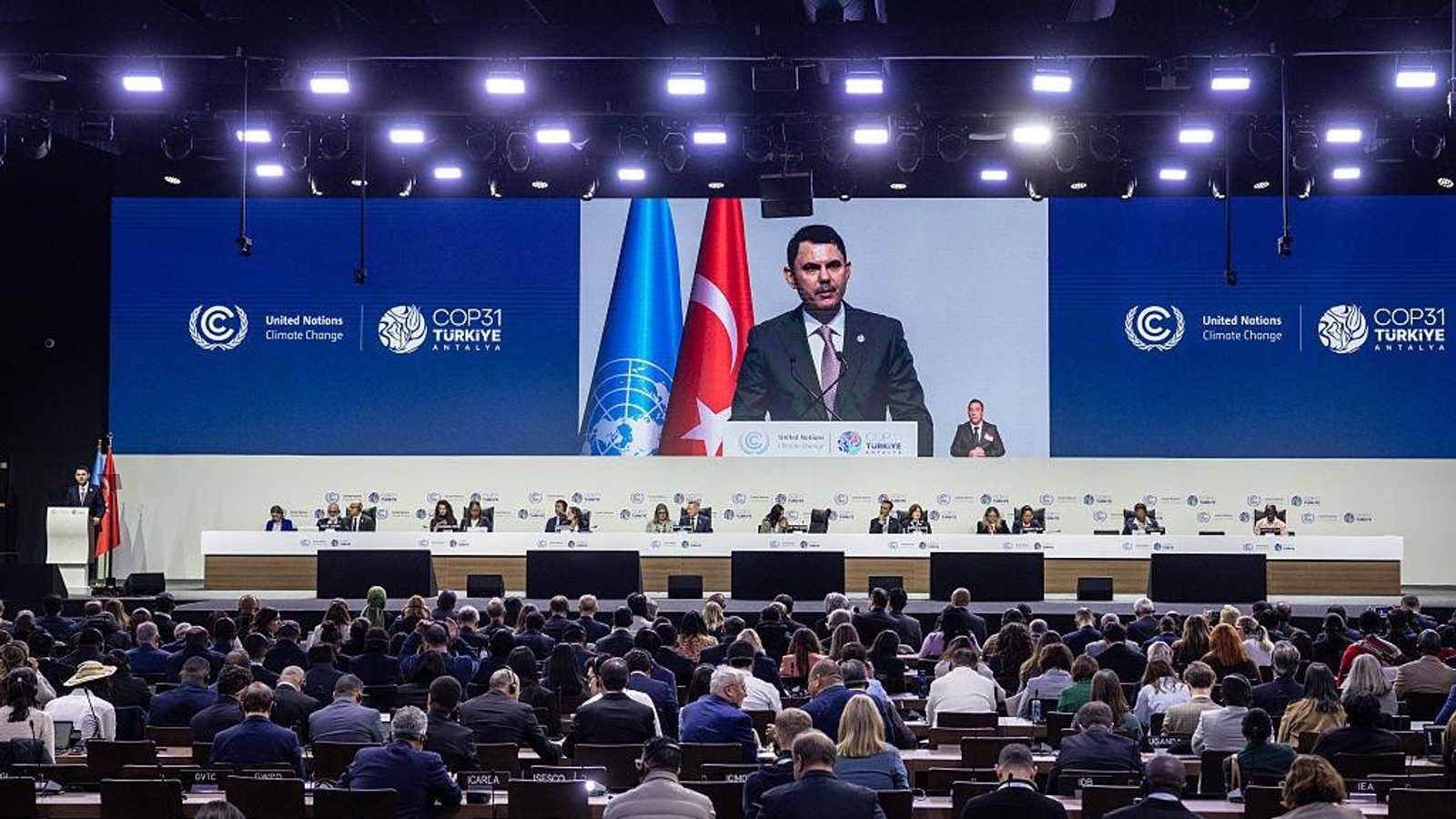
Turkish Environment Minister Murat Kurum, who co-chaired the conference, urged delegates to persevere and endorsed a text he said could unite parties. In English translation of his remarks he said: "We are working hard. We are at a critical moment and our aim is to reach a resolution here. After all, we announced to the whole world that we would be open and transparent, and we will keep the same principles, from the first day to the last."
But a number of countries publicly announced they would not support the draft. Panama's environment minister, Juan Carlos Navarro, accused oil-producing delegations of blocking stronger language, saying the world was "being held hostage by the petroleum mafia" and signalling growing impatience among states that consider themselves most at risk from climate impacts.
Germany's environment minister, Carsten Schneider, warned that if consensus could not be secured across the global community it must be acknowledged, while pledging continued efforts through bilateral and multilateral channels. In English he said: "If consensus cannot be reached across the entire global community, then we should recognise that. Despite that, we will continue on this path and seek via bilateral and multilateral cooperation to bring as many peoples and states as possible behind this goal."
Instead of clear language phasing down oil, gas and coal, the draft gives space to contested measures such as industrial carbon capture and storage, an approach strongly backed by some fossil-fuel producers. The Turkish presidency also inserted an ambition to raise the share of electricity in final energy consumption from about 21% to 35% by 2035 — a target that would require large investments and major changes to transport systems and power grids.
Delegations from low‑income and climate‑vulnerable countries pressed for firmer commitments on financing for adaptation and loss-and-damage, and insisted any push for greater electrification specify that the additional power come from renewable sources. Those demands remain, in many cases, unanswered as talks move to last‑minute consultations.
Photo: press material from the event