ARBIQ online scam left hundreds of North Macedonians out of money
Facebook ads and Telegram groups recruited workers for AI tasks; the platform vanished on September 6 and a police report was filed on October 5, 2026.
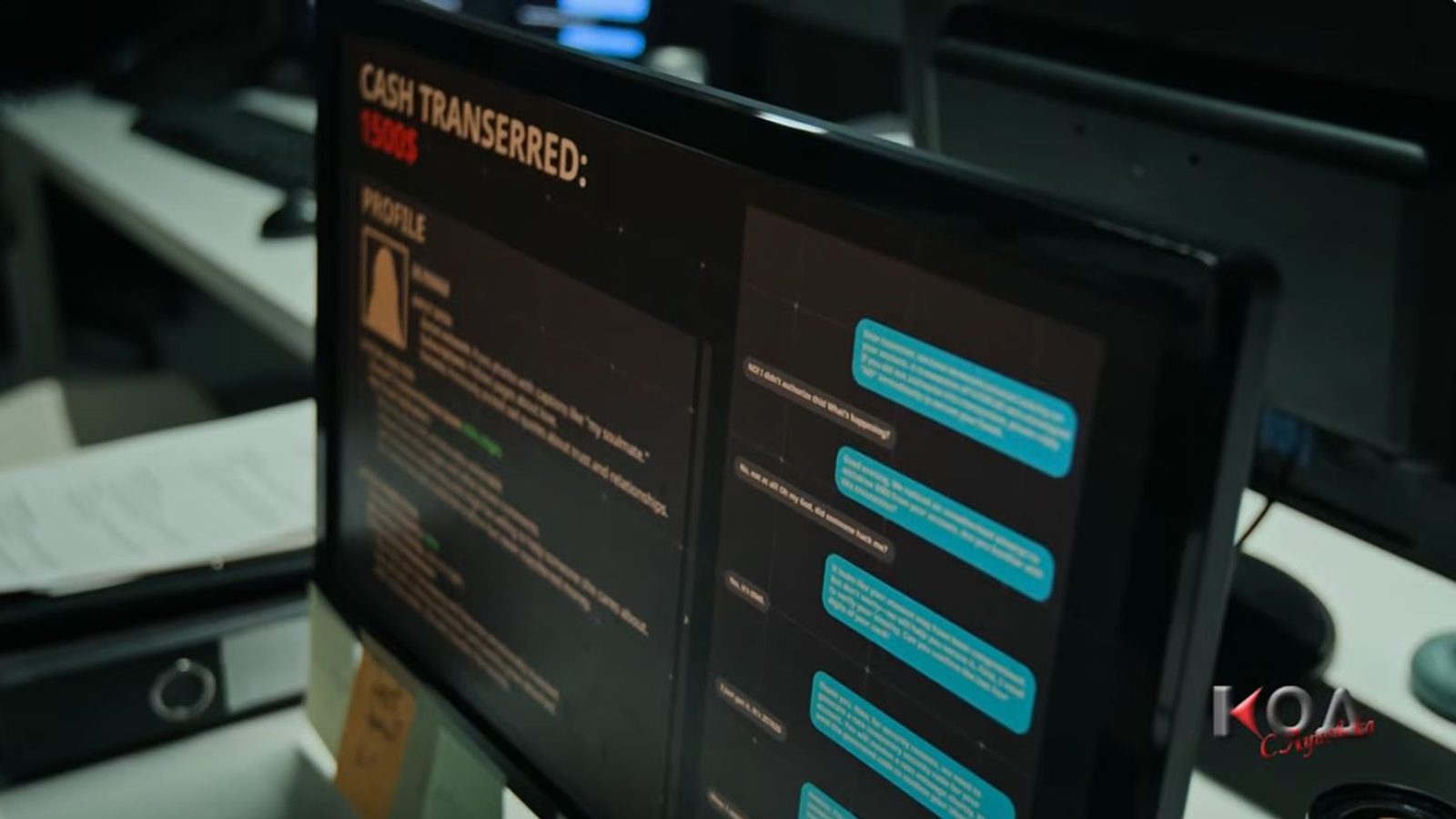
An online scheme operating under the name ARBIQ has left dozens — and likely hundreds — of people in North Macedonia and the wider region out of money after promising paid work from home using artificial intelligence tools.
The operation began with sponsored ads on Facebook and Instagram recruiting workers to perform small AI-driven tasks such as logo design, voice-generation projects, ad creation, video editing and website builds. Respondents were contacted by so-called mentors who enrolled them in Telegram groups of "employees" that already counted several thousand members sharing earnings and finished work.
New recruits were told they had to buy "chips" — effectively purchasing or renting processing power — or put down a deposit as a guarantee of commitment. The more expensive the chip, the more and higher-paying tasks they would allegedly receive. According to victims, the cheapest chip cost €17 for three months and was said to yield about €22 per month for logo work; the most expensive reportedly cost €2,979 per year and promised up to €1,500 per month for web-application projects. Payments were made in cryptocurrencies, and mentors told recruits the company was registered in England.
One scammed person who asked to remain anonymous described an early, small payout that convinced them the scheme was real: "I thought, it's not a lot of money, I'll try something and it was around 20 euros. I pay the chip, legally by card. The chip is processing power so that the AI can make an image or voice or video, depending on how much power it has the more it costs. I bought the smallest chip to make logos and I had to make four a day from which I earned 1.5 euros, just to see how it goes. And that ran for about 15 to 20 days and I made about 30 euros profit. I went and tried to withdraw money, it legally withdrew in 5 minutes, the money landed, I withdrew 20 euros," the person said.
Platform disappears, police report filed
Victims say those initial small withdrawals encouraged them to invest larger sums: some people put in €250, while others deposited more than €5,000 to secure a full year of work. In one case, mentors convinced a woman in North Macedonia to accept payments to her bank account and purchase cryptocurrency on behalf of others; roughly 20 people reportedly sent about €10,000 through her account, and she was later used to withdraw alleged "earnings."
When recruits grew confident and upgraded to pricier chips, the platform vanished. Victims report that on 6 September the website went offline and Telegram groups were shut down. The losses across the region are likely to total millions of euros, victims estimate.
"At the Department for Computer Crime at the Skopje Police Directorate there is a report from one person on 05.10.2026 for an online scam on the ARBIQ artificial intelligence platform. A public prosecutor has been informed and measures and activities are being taken to find the perpetrator of the criminal offense," the Ministry of Interior said.
Victims who remained after the collapse conducted their own checks and found that mentor identities were false, often using images of other people; some of those photos appear to originate from Bulgaria. Several victims suspect members of a previous scheme known as Konti — which scammed about 15,000 people two years ago — may be involved again. Advertisements that spread the scheme were sponsored on social platforms, meaning they were paid for with credit cards and could provide investigative leads; some of the registration traces point to a website once registered in Novi Sad, Serbia.
Cybersecurity experts warn these investigations are complex and can last months or years with an uncertain outcome. "Is this a local scam? I doubt it and it makes no sense for it to be only local or regional in the Balkans, because the scam as such easily scales to be global. The same system, the same logic behind can be made. The only thing to build is the images, i.e., localization for Spanish, Portuguese or any other language area, to localize that image or interface, everything else in the background is the same, the same people will work it, the same people will run the scam, literally they'd be foolish, I'll say, not to make it global. These scams are global, because with the same setup you can make the most profit," said cybersecurity expert Bozhidar Spirovski.
Victims in North Macedonia and across the region have filed reports with local police; some also reported to authorities in the Netherlands, Serbia and to Europol because parts of the payment flow involved platforms registered abroad. Investigators face the usual hurdles when money moves through jurisdictions with limited cooperation, experts say, and tracking perpetrators can be difficult.
Photo: press material from the event