Arctic convoy to Murmansk, Summer 1941: lifeline under fire and ice
Columns of merchant ships from the United States and Great Britain crossed the North Atlantic, Iceland, the Barents and White Seas toward Murmansk under enemy attack and brutal Arctic weather.
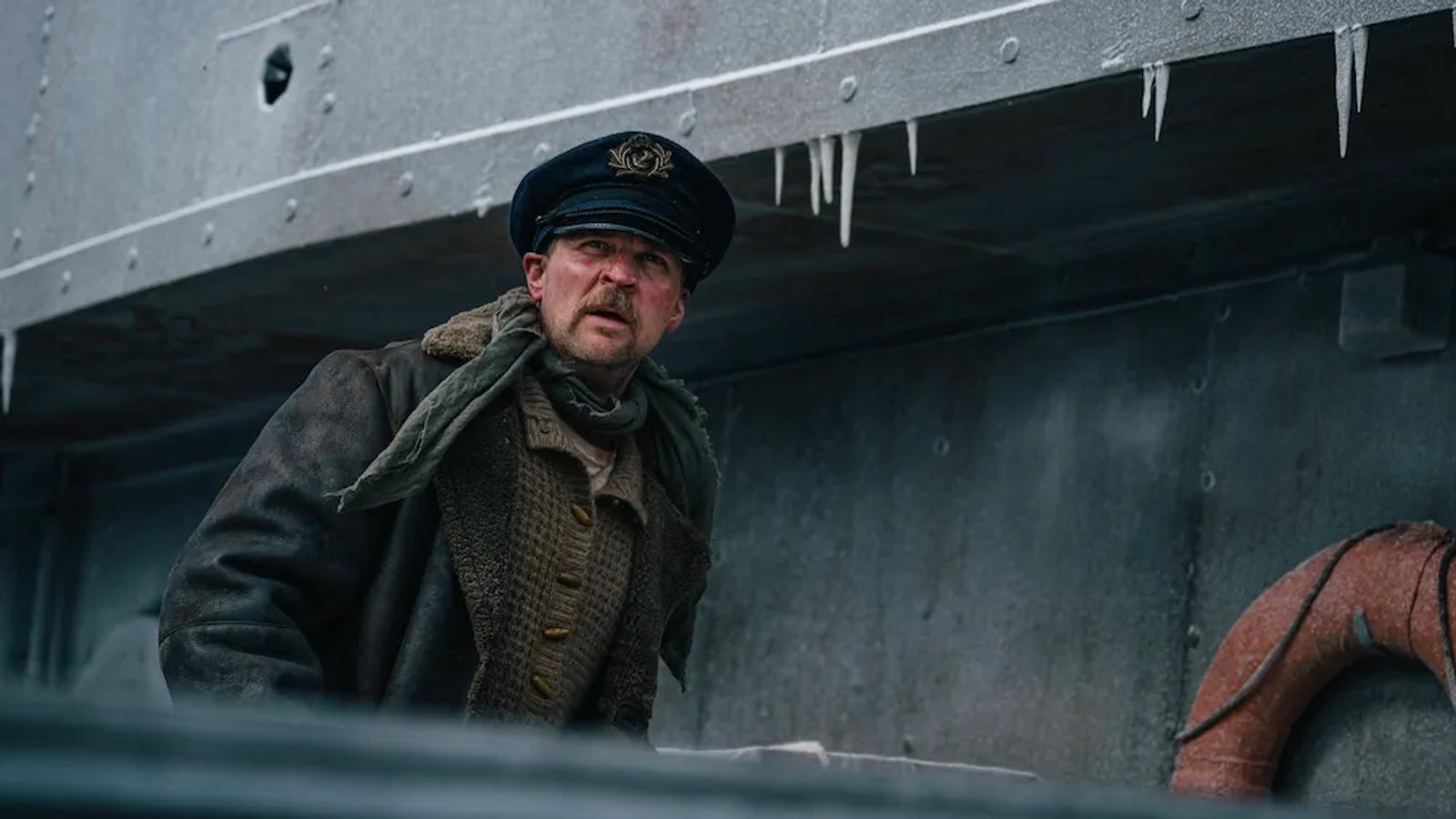
Summer 1941: as Nazi Germany pushed deep into the Soviet Union, a vital sea corridor opened in the far north. Columns of merchant ships carrying military supplies from the United States and Great Britain set off on a hazardous voyage across the North Atlantic, past Iceland and into the Arctic seas toward Murmansk.
Route, weather and enemy action
The convoys threaded a route that included the Barents Sea and the White Sea, constantly adjusting course because of shifting ice fields. Sailors and the cargo they carried faced repeated attacks from German air and naval forces while also battling extreme hydrometeorological conditions — heavy seas, pack ice, snow, fog and bitter cold.
Because most Arctic ports froze for part of the year, Murmansk stood out as the only Soviet Arctic harbor that remained ice-free, making it the indispensable terminus for the northern supply line. The port’s role turned it into a strategic lifeline for the Soviet war effort in that summer of 1941.
Maintaining the convoy route required constant adaptation. Commanders had to choose paths that balanced shorter transit times against the risks of ice and enemy interdiction, and ordinary merchant seamen bore the human cost of that calculus.
Despite the risks, the flow of materiel across these high-latitude seas provided critical support to Soviet forces. The Arctic convoys of 1941 became a symbol of the Allied effort to sustain the Eastern Front under extraordinarily harsh conditions.
Photo: press material from the event