Munich study links cattle gut bacteria to lower allergy and asthma risk in farm children
A Munich team traced the biological mechanism behind the so-called “farm effect” and identified two cattle gut bacteria that explain much of the reduced allergy and asthma risk in farm-raised children.
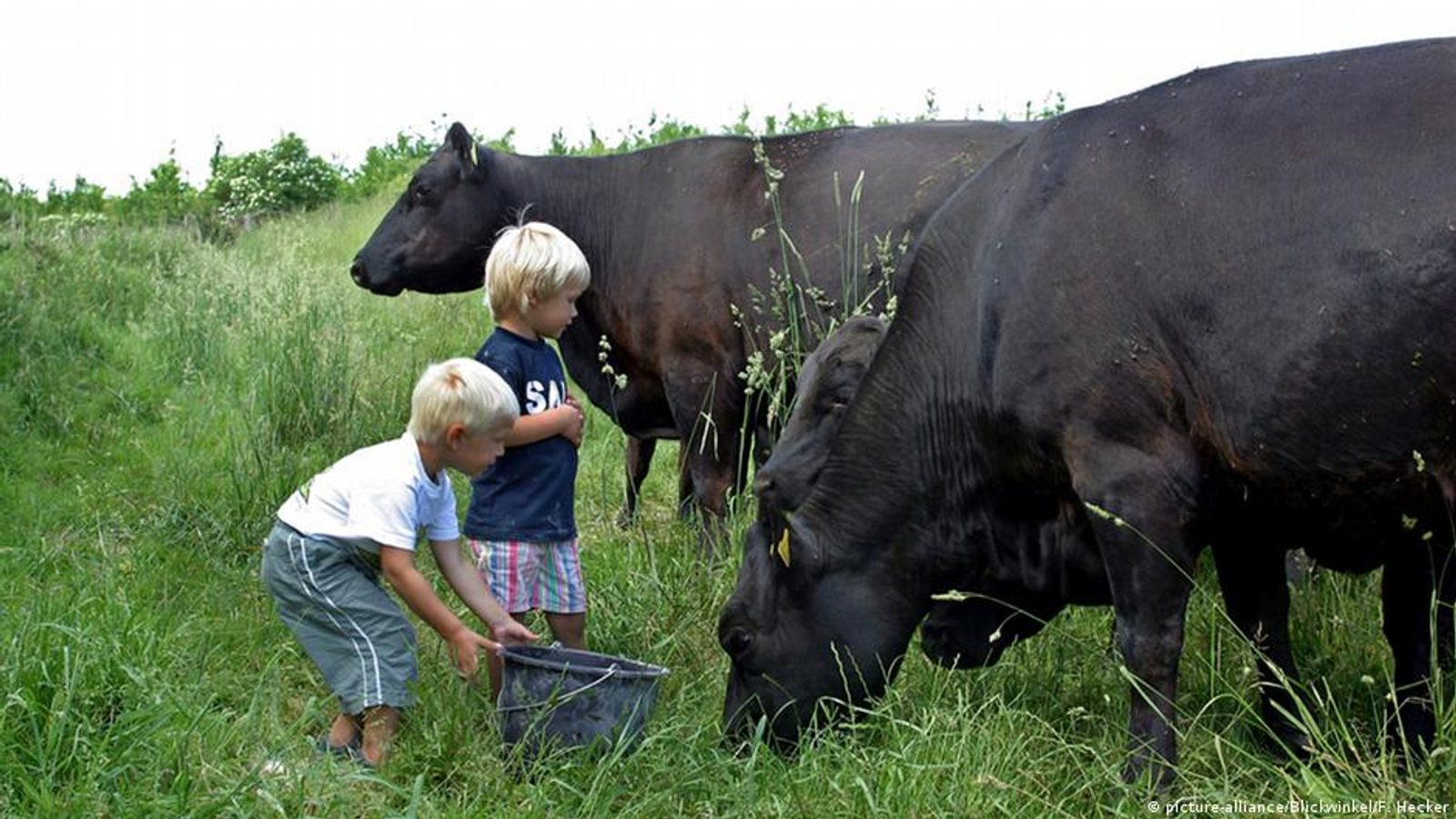
Researchers in Munich report that exposure to microbes originating in cattle intestines helps explain why children raised on farms develop fewer allergic conditions. The team identified biological agents released from cow gut bacteria that, when present in barn dust, appear to shape respiratory immune responses in people who breathe them in.
During digestion in cows, certain gut microorganisms produce metabolic compounds that become airborne inside barns. Inhalation of those substances activates immune receptors on cells lining the airways and lungs, modulating inflammatory signalling in ways the investigators say reduce allergy risk.
"These receptors have multiple functions, including an important role in the immune system. They most likely prevent excessive inflammatory reactions," Markus Ege of the Children's Hospital at LMU Munich and the Institute for Prevention of Asthma and Allergies explains.
Experimental tracing of the ‘farm effect’
The researchers analysed samples linked to 47 children who grew up on farms and collected dust from mattresses and barn floors to identify candidate microbes. Using a stepwise elimination approach together with bioinformatics and modern genetic analyses, the team narrowed the protective signal to two bacterial taxa traced to the cattle gut microbiome.
According to the study, those two bacteria account for roughly two thirds of the protective effect against allergic asthma, and about half of the protection against pollen allergy and atopic dermatitis; inherited genetic predisposition still plays a role. "We had previously shown that the farm effect reduces the risk of allergic asthma by about 50 percent, but we did not know why. Thanks to the new method of stepwise elimination, we were able to determine which bacteria are key," Ege says.
The investigators note that the protective mechanism likely depends on microbial diversity in barns — exposure that helps ‘train’ a child’s immune system to distinguish harmful pathogens from harmless allergens. They also highlight the importance of the human gut and skin microbiomes and the critical window of the first 1,000 days of life; the team recommends that mothers and young children spend time outdoors and in natural environments.
Further laboratory experiments are needed to map the precise molecular and cellular pathways by which the cow-derived bacterial metabolites act on human tissues. The authors say those follow-up studies will be required before the findings can inform preventive strategies or therapies.
Photo: press material from the event