Balkan bakeries spread across Germany as eating habits change
Owners and experts say snack-focused Balkan bakeries are expanding in German towns as eating habits and urban retail space shift.
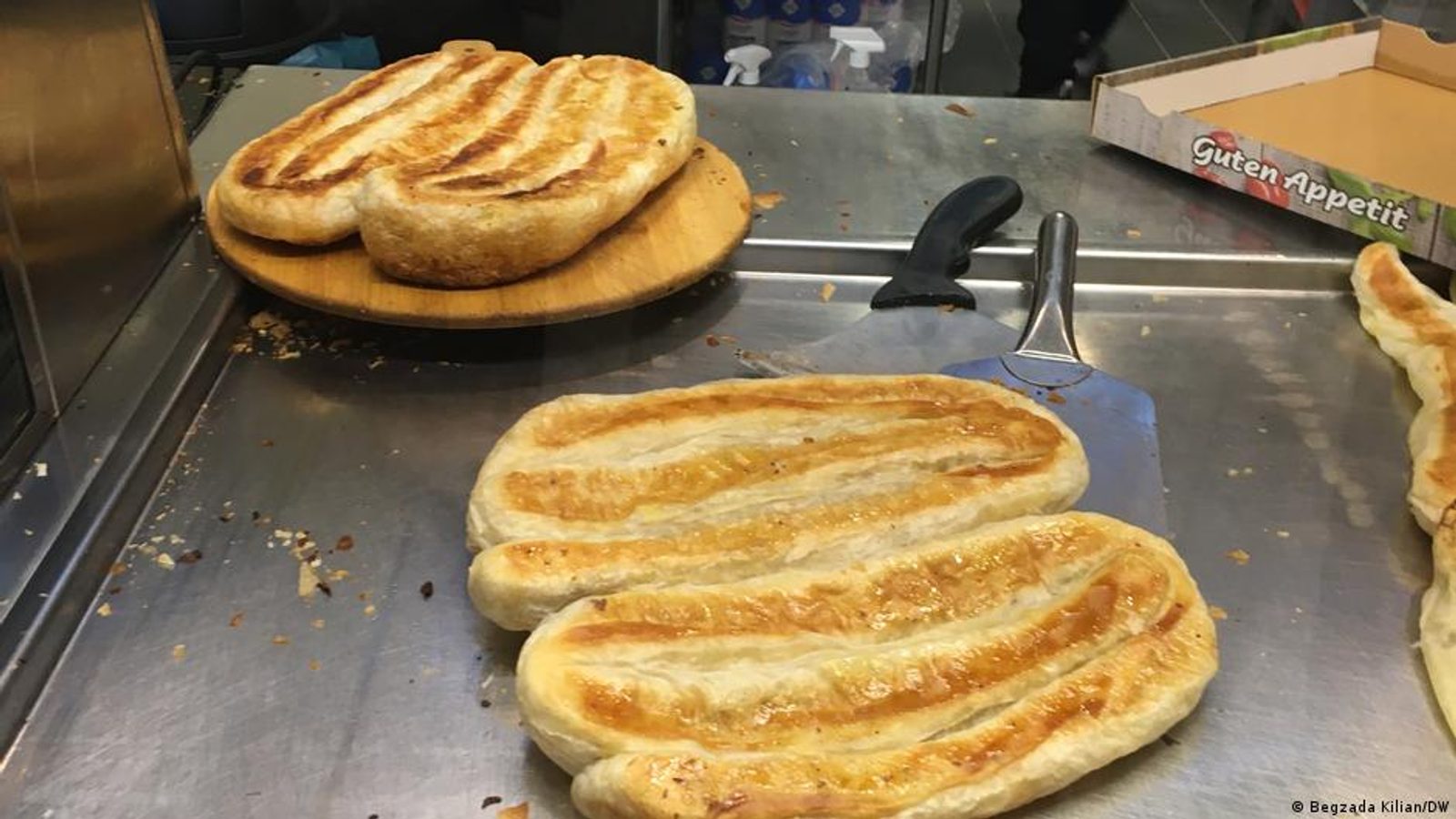
Crunchy phyllo pastries, creamy desserts and a steady flow of customers from different backgrounds — that is the scene inside "Balkan Bakery" in Ravensburg, which opened at the end of July. Owner Imrane Baftiu, a 42-year-old mother of two whose parents came to Germany from Kosovo as guest workers, says she wanted a place that reminds her of home and welcomes everyone.
Why Balkan bakeries are spreading
Baftiu offers filled burek, sweet krempita and other dishes alongside coffee and quick snacks. "My aim was to create a place where people feel comfortable," she says. The shop stocks specialties from across the Balkans, not only Kosovo, and Baftiu reports healthy customer interest so far.
Similar establishments are appearing in an increasing number of German towns and cities. "We are seeing a growing number of bakeries from the Balkans," says Frank Sauter, head of the Bakers' Association of Baden-Württemberg, noting that Turkish bakeries are also widespread.
Cultural sociologist Gunter Hirschfelder of the University of Regensburg links the rise to changing eating habits. "Many traditional bakeries are closing while eating habits are changing," he says. He argues that large, formal meals are declining in importance while smaller snacks and quick bites are becoming more popular, and "it is precisely that gap that Balkan bakeries fill."
Location matters: rising costs and staff shortages have forced some classic bakeries to shut, while vacant commercial spaces remain in city centres. At the same time, people with roots in the former Yugoslavia, Romania and Bulgaria — including second and third generations born and raised in Germany — are opening businesses and bringing their food culture into urban centres.
The development creates competition for established bakeries, Sauter says, though he does not view it as an existential threat. These new shops attract a somewhat different clientele, and traditional bakeries often offer a wider assortment of breads and classic pastries. "It is a pity that so few of them find their way to join us," he adds, referring to membership in bakers' associations. The Central Association of the German Baking Trade stresses that the two types of outlets can coexist and sees the trend as part of Germany becoming more international.
In Ravensburg, Baftiu is trying to combine her family's recipes with German classics — wholegrain loaves and Bavarian-style dough — so that "really everyone can find something for themselves."
Photo: press material from the event