No deal — U.S. to impose 50% tariffs on Canada
Trump announced 50% duties after talks with Ottawa failed; Canada says it will retaliate equally.
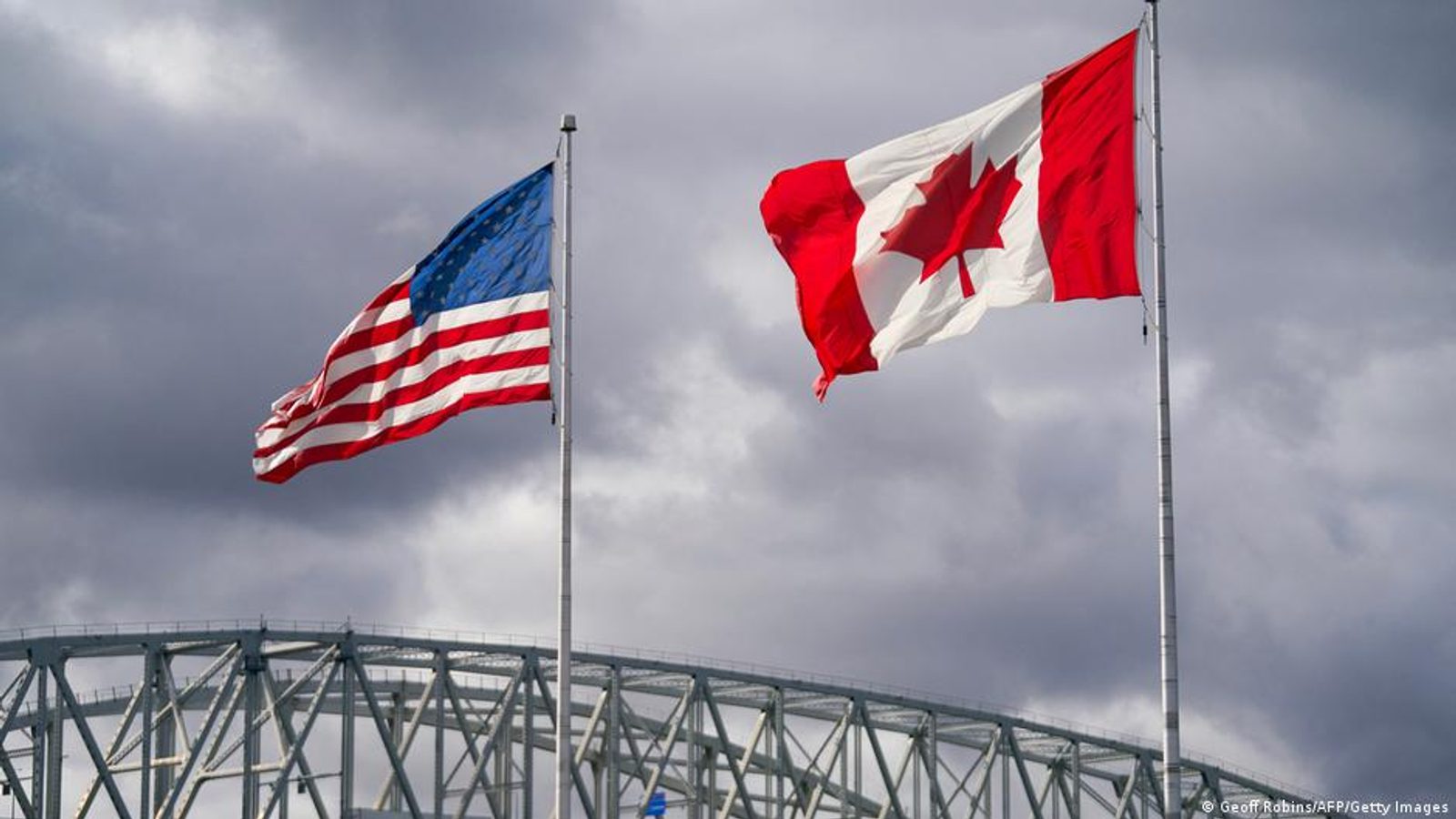
U.S. President Donald Trump announced additional 50 percent tariffs in the trade dispute with Canada after talks between Washington and Ottawa collapsed on August 22, 2026. Canadian prime minister Mark Carney said negotiations had been halted and that Ottawa will respond in kind to protect Canadian workers and businesses.
Failure to agree before the deadline
The White House had warned on July 20 that 50 percent duties would apply to a range of Canadian goods — including wine, hockey sticks, furniture and dairy products — and that the measures would take effect after 30 days. That deadline, together with a short extension announced in recent days, has now passed.
Carney said he ordered Canadian negotiators back to Ottawa after intensive last-minute efforts to salvage a deal. "Our objective has always been to secure the best possible deal for Canada, not a deal at any cost or within a pre-set deadline," he said. According to Carney, Ottawa will retaliate with measures of equal scale.
U.S. Trade Representative Jamison Greer confirmed the breakdown of talks on the social network X, saying Canada refused to sign the accord under previously agreed terms and that new Canadian demands upset the balance reached in recent days. The administration said the new 50 percent tariffs will cover Canadian products worth about $28 billion.
Earlier statements from the White House and from Greer put the initial scope of affected imports at roughly $20 billion; in 2025 the United States imported $383 billion worth of goods from Canada. Analysts warn the tariff round broadens the dispute beyond steel, aluminum, autos and timber, dragging smaller manufacturers, consumer brands, retailers and building-supply vendors into the conflict.
Relations between the two countries have deteriorated since Trump returned to office, driven by prior tariffs and repeated threats from the president — including his repeated suggestion that Canada should become the 51st U.S. state. Many Canadian provinces responded to earlier U.S. measures by pulling American alcoholic beverages from store shelves and urging shoppers to choose domestic products.
Photo: press material from the event