Black Sea blockade chokes Ukraine’s grain exports
Russian strikes around Odesa have stopped most maritime exports, forcing Kyiv to seek costly and limited rail, river and road alternatives while farmers run out of liquidity and storage.
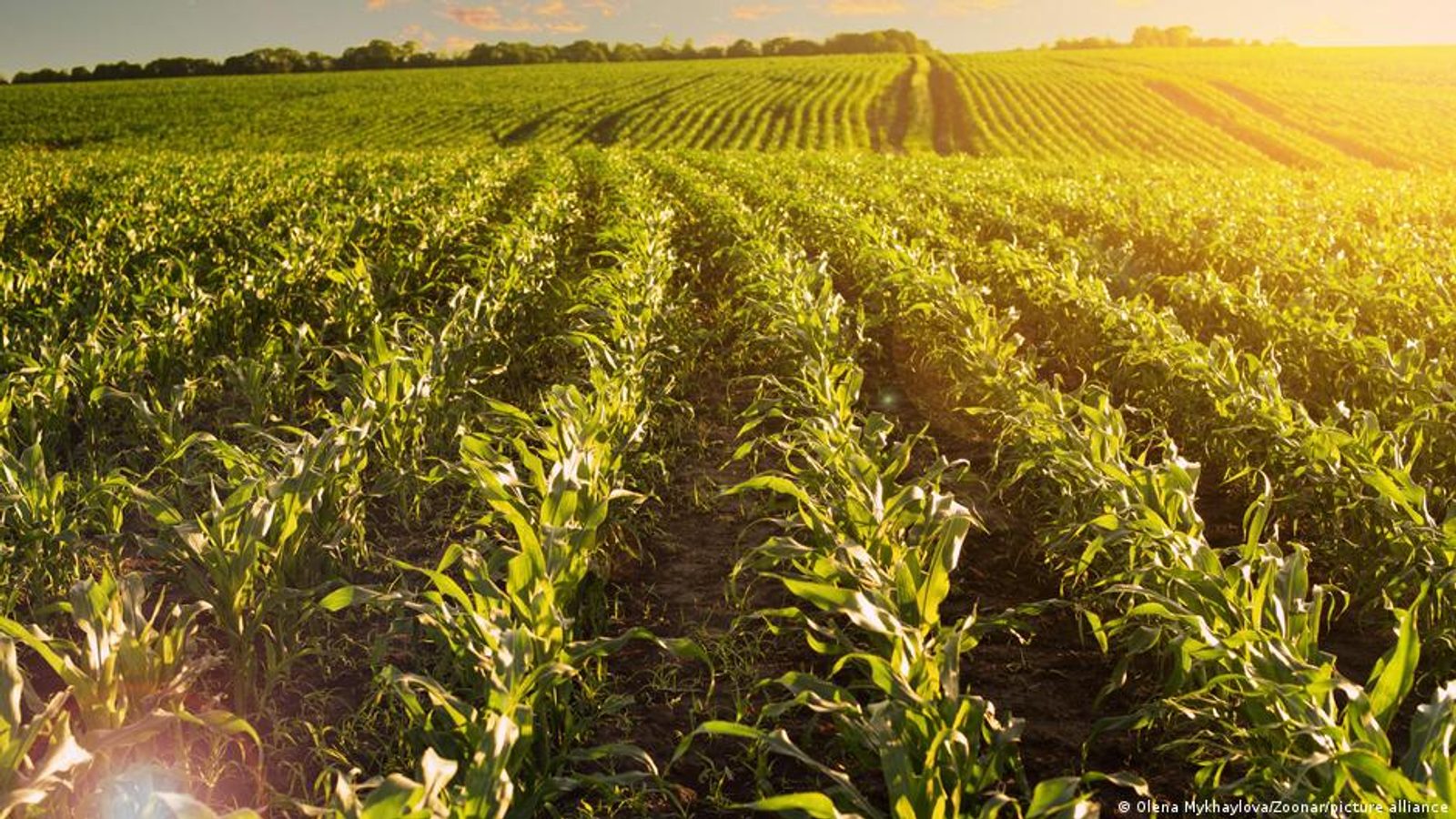
Russian strikes on civilian ships and ports in the Black Sea have effectively halted Ukraine’s maritime grain exports at a critical moment in the harvest, leaving farmers with large quantities of crop they cannot move to market.
Before the attacks, up to 90 percent of Ukraine’s agricultural exports passed through ports around Odesa. With those sea routes under attack, Kyiv is scrambling to shift shipments onto rail, road and inland waterways and is pursuing a new corridor through Moldova, but officials and analysts say these alternatives cannot replace the volume that sea shipment provided.
Economic shock on farm balance sheets
“At the moment, it is difficult to sell our products. Instead, we are storing stocks, provided there is any sufficient storage capacity at all. The question is also what to do, because we need money, especially for autumn sowing,” Denis Marchuk, deputy head of the All-Ukrainian Agrarian Council, said.
Marchuk estimates farmers have harvested about 28 million tonnes of grain and pulses so far, but a large share remains unsold. Corn harvests could reach some 33 million tonnes this year, and experts warn storage capacity could be short by up to 10 million tonnes in the autumn. Regions near the front line are especially affected, where many silos have been destroyed.
Maksym Hopka, an analyst at the Ukrainian Agrarian Club, put domestic agricultural output for July at roughly 3.7 million tonnes, of which nearly 2.7 million tonnes were grain — about a one-quarter drop from the previous month. He expects grain exports to fall a further 50 percent in August. Prices on the domestic market have come under heavy pressure: wheat prices have fallen by some 30–35 percent, with barley showing similar declines. Many producers are now operating at a loss.
The Ministry of Agriculture and Food estimates annual losses to producers from unsold output could reach about 20.5 billion US dollars.
Kyiv is attempting to scale up rail shipments, use Danube ports and expand land routes through neighbouring states, but there are practical and structural limits. “In the medium term there is no comparable alternative. Rail links and so-called dry ports can only serve as temporary support until the Black Sea ports reopen,” said Taras Vyzotsky, Ukraine’s minister of agriculture.
Professor Oleh Nivievskyi of the Kyiv School of Economics warned that Ukraine now has fewer tools to offset maritime trade losses than at the start of the war. “If you look at trade with the EU, we have returned from a free prewar trading system to a wartime-like regime with restrictions and tariff quotas,” he said. He also pointed to infrastructure constraints: Ukrainian railways run about 30 percent fewer trains than before the war, Russian strikes on rail infrastructure require frequent repairs, and road transport is limited by a shortage of truck drivers following mobilization. Nivievskyi warned that if the crisis persists through the autumn, the economic fallout could be far worse than in 2022.
Analysts estimate that nearly nine million tonnes of agricultural goods may not reach foreign markets in August–October because of the maritime export blockade, postponing foreign-currency earnings by roughly 1.9 billion dollars in that period. To support farmers, the government has expanded state loan programmes and, the Ministry says, has applied for a 220 million euro non‑repayable aid package from the European Commission targeted at small and medium agribusinesses to subsidize interest. Kyiv plans to channel funds via the state "Favourable Loans 5-7-9%" programme and aims for a credit portfolio of up to 4 billion euros to finance working capital, with a maximum annual interest rate capped at 10 percent.
Officials and experts say the immediate task is to keep agricultural production going — to finish the harvest and provide liquidity for autumn sowing — while building a more resilient export system so that the blockade of a single route cannot again paralyse Ukraine’s export economy.
Photo: press material from the event