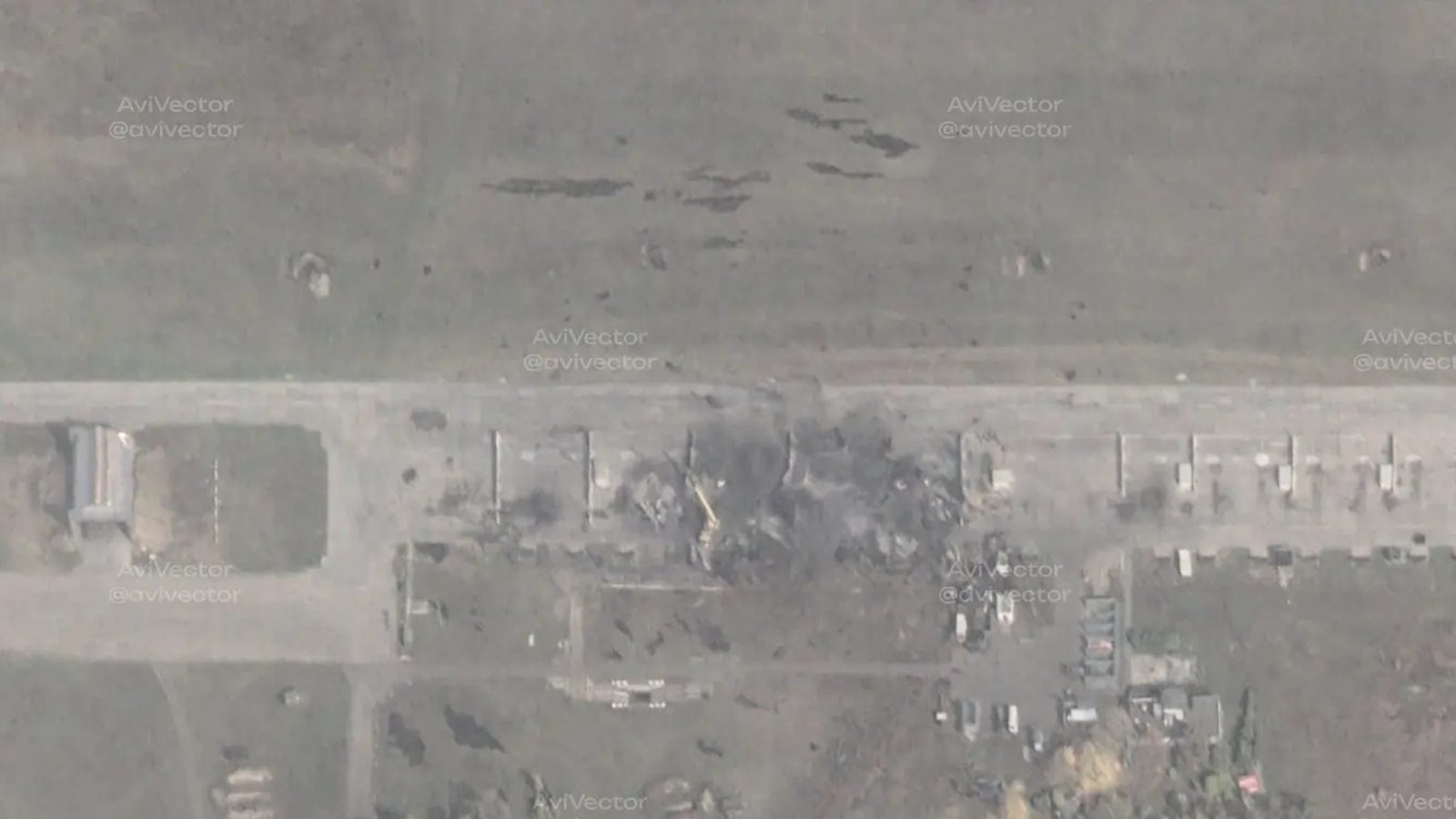
Black Sea blockade threatens Ukrainian agriculture
Maritime attacks this summer have nearly stopped Ukrainian grain shipments by sea, cutting exports and threatening farmers’ cash flow and next season’s sowing.
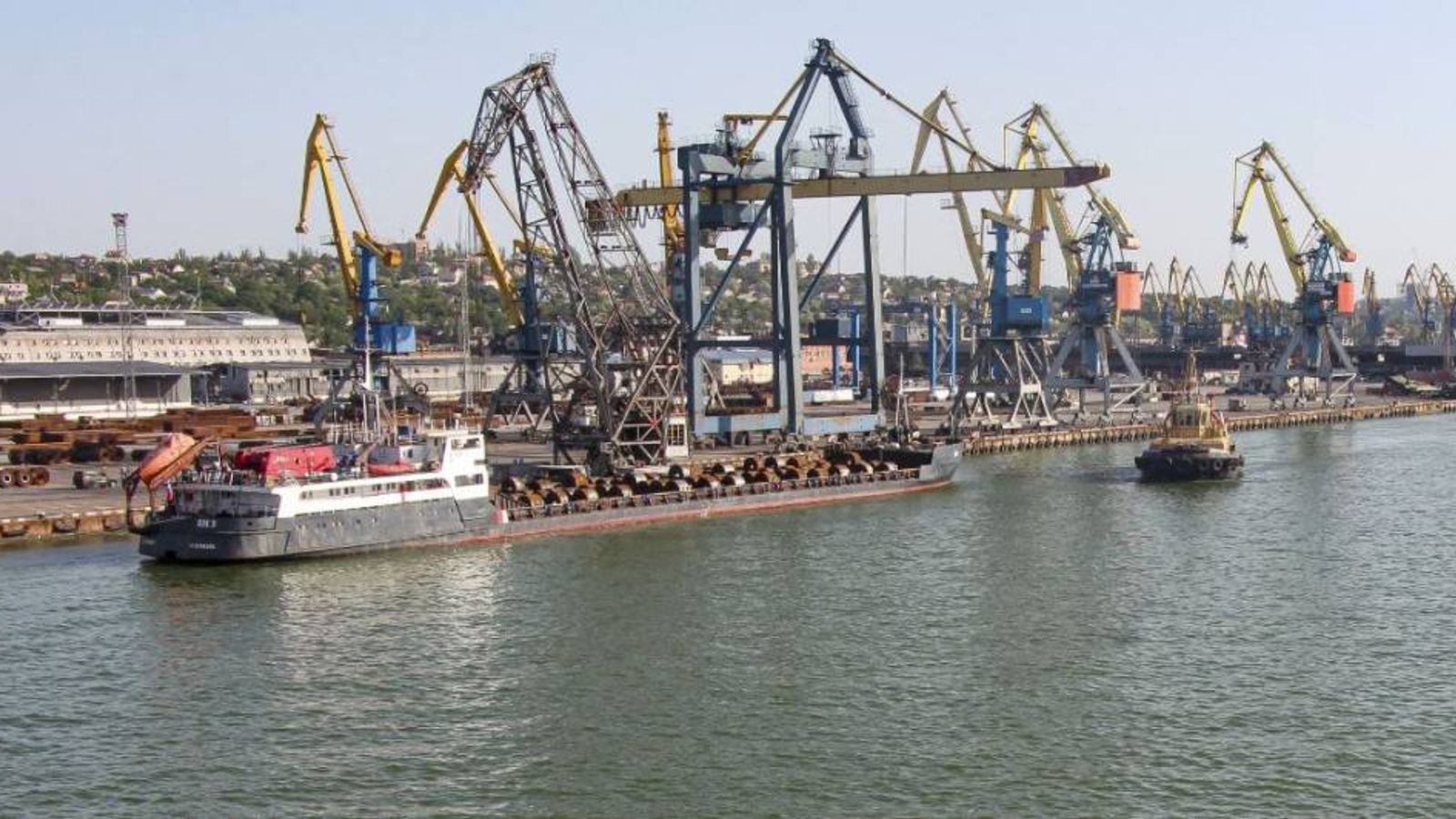
Ukrainian farmers face mounting pressure after a near-complete halt to grain and agricultural exports through Black Sea ports following a wave of attacks this summer. In July and early August, Russia carried out more than 70 attacks on Ukrainian port infrastructure and 62 attacks on vessels, severely disrupting maritime shipments.
Exports collapse at the peak of harvest
As a result of the strikes, grain exports in the first two weeks of August fell by 75 percent year‑on‑year. The disruption comes at the most critical moment of the harvest season: storage facilities are filling up while domestic grain prices have dropped, in some cases below producers' cost of production.
The squeeze on farmers threatens their ability to finance autumn sowing, to buy fuel and other inputs, and to pay seasonal workers. The National Bank of Ukraine estimates the blockade could cost the country roughly 2.5 billion dollars in foreign‑currency receipts by the end of the year.
Kyiv is trying to reroute shipments by rail, road and via the Danube, but these alternatives are constrained. Traders face more complex rules for access to EU markets, water levels on the Danube are low, and Russian strikes have targeted railway links.
Farmers warn that failing to sell this year’s crop and to secure funds for the next sowing season could have effects that carry into 2027, with a risk of a broader food crisis if bottlenecks persist.
Photo: press material from the event