Bosnia and Herzegovina votes amid delays tied to new biometric system
Biometric ID and ballot‑scanning introduced for the first time; hundreds of polling stations opened late and the post‑vote government formation will be the real test.
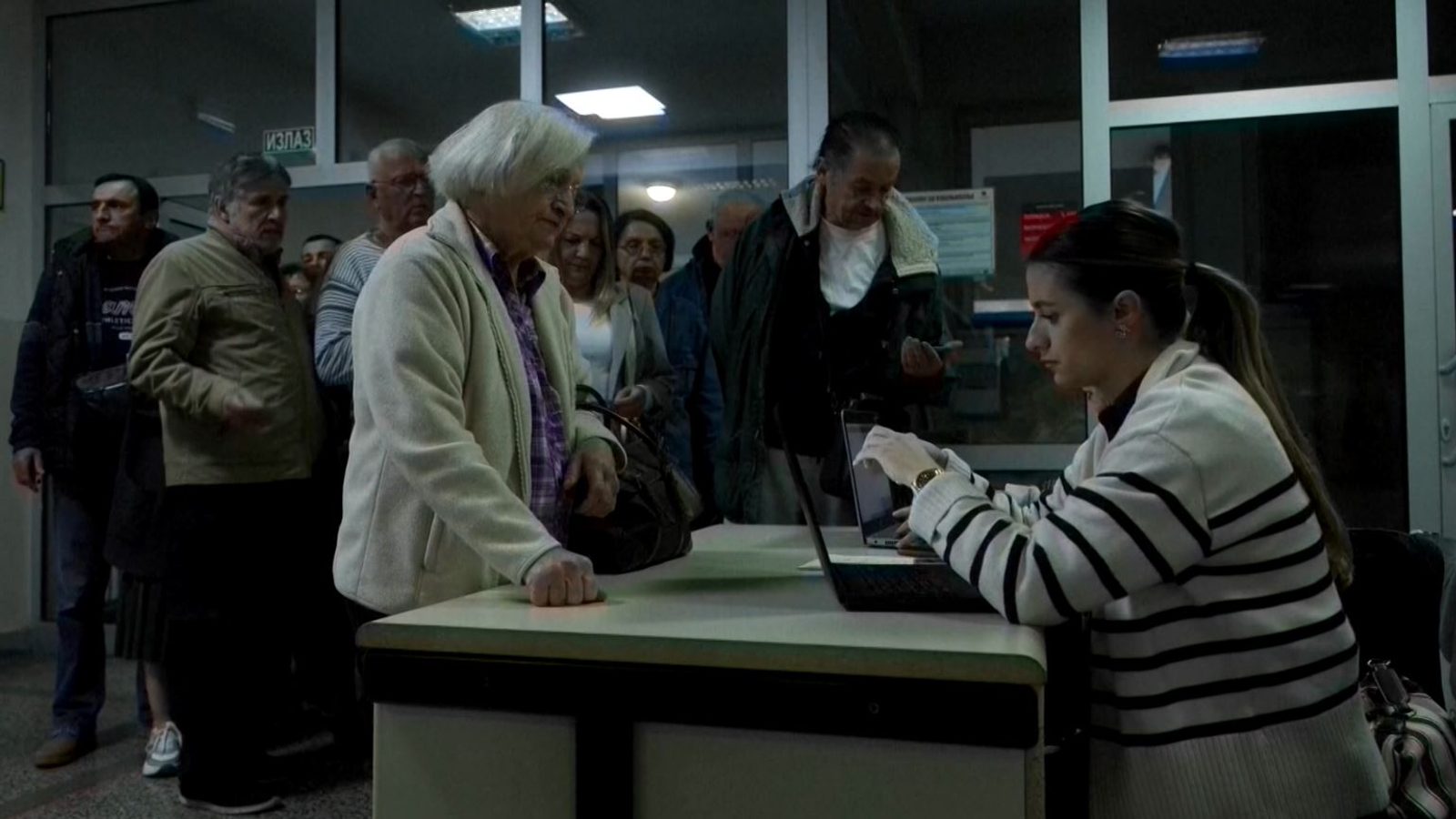
Voters across Bosnia and Herzegovina went to the polls today seeking change — but many encountered problems on election day after authorities introduced biometric identification and ballot-scanning for the first time.
Queues formed at polling stations from the early morning. For the first time in the country’s elections, voters were identified biometrically and completed ballots were scanned at the polling place as part of the counting process.
The new technology caused delays at a number of voting locations. In Republika Srpska, the Interior Ministry reported that 201 polling stations did not open on time at 7:00 a.m., and in Zenica‑Doboj Canton the opening of at least 70 stations was delayed, according to election observers and voters.
“Look, let me tell you. What can I expect from the elections? I came here early to cast my vote, I already feel some dissatisfaction. If someone had prepared this before... I hope, here we citizens can only live in hope. I hope that by choosing now those others, for the next elections the system will be a little better.” — Bekir Šuško, voter in Sarajevo.
Skepticism, economic concerns and a complex post‑vote process
Distrust of the political elite runs deep. Many citizens, living in one of Europe’s poorer countries, said their main concerns were the economy, wages, emigration and the future for young people. Campaigns were again marked by ethnic and national rhetoric.
“Well, I hope it will be better, because it can't be worse. It must be better, that's why we came, to show solidarity. That's what I expect, and what will happen, we'll see.” — Mihajlo Vratišić, voter in Sarajevo.
Analysts warn the true test will come after the vote: forming a government in Bosnia and Herzegovina’s complicated system, where political blockades are common. The outcome will also matter for the country’s European trajectory. Bosnia and Herzegovina holds candidate status for European Union membership, but required reforms have proceeded slowly. A central question after these elections is whether any new authorities will be able to place economic recovery and living standards above entrenched political conflicts.
Whoever emerges victorious will only be clear after polling stations close. More than 75 political parties are participating in the vote, most organized along ethnic lines across the two entities — Republika Srpska and the Federation of Bosnia and Herzegovina — which are connected through state institutions including a three‑member Presidency and a Parliamentary Assembly.
Nikola Ilievski
Photo: press material from the event