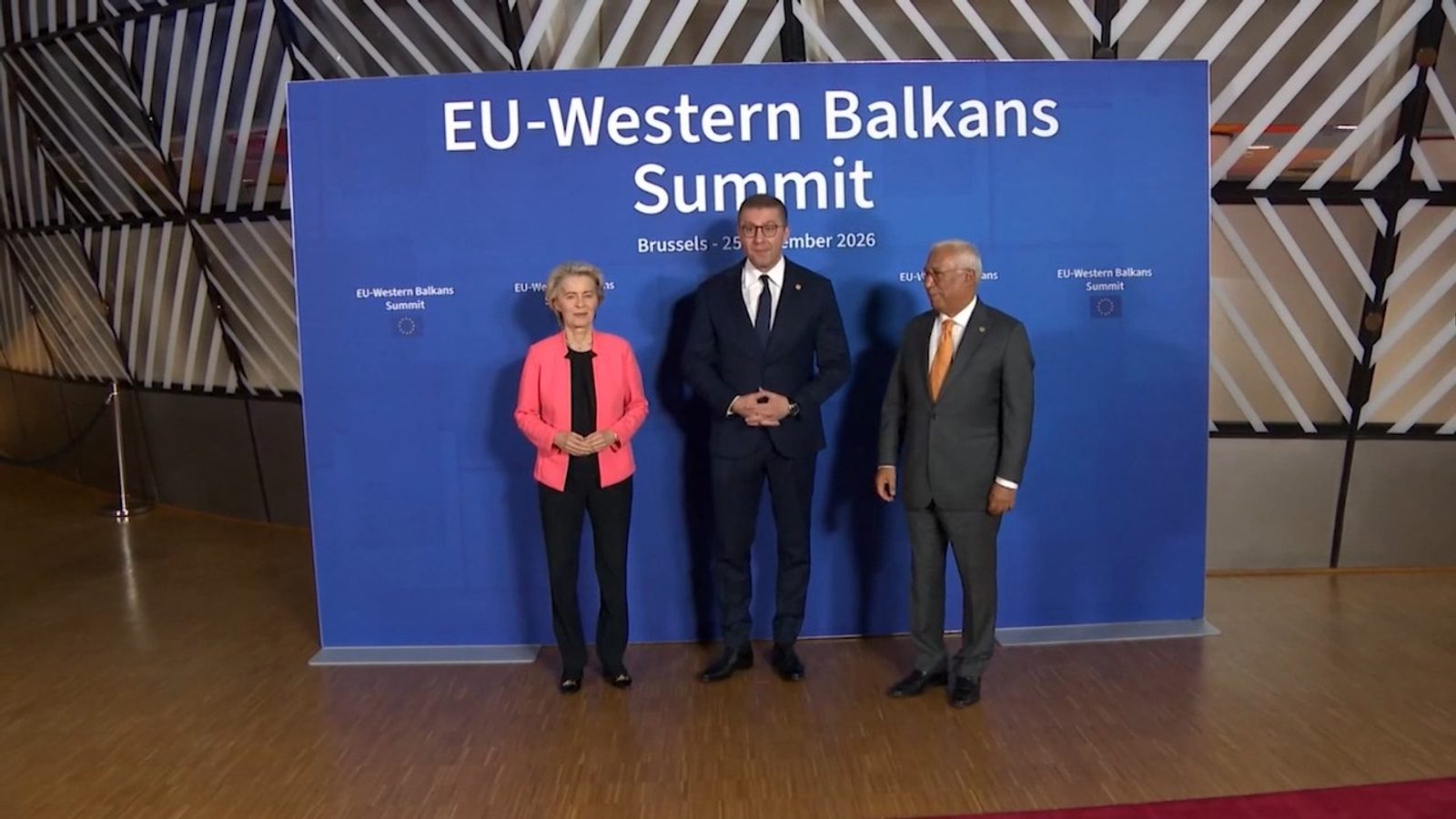
Branko Azeski tells ministers in Tirana: private sector ready to invest
Azeski told ministers at the Leaders' Summit that firms will invest if governments deliver regulation, infrastructure and easier access to finance.
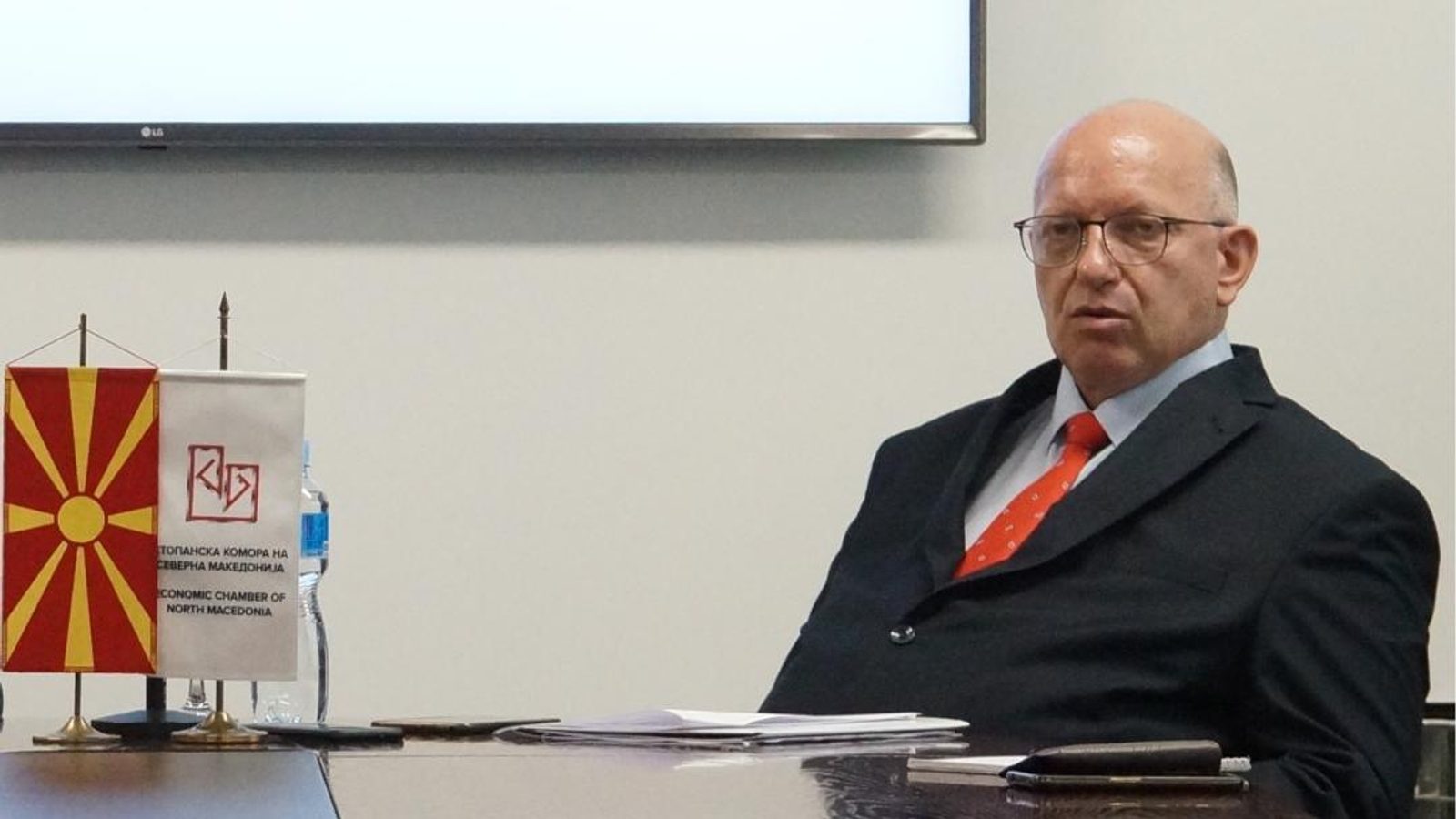
At the Leaders' Summit in Tirana, Branko Azeski — acting president of the Chamber Investment Forum (KIF) and president of the Chamber of Commerce — urged ministers to carry a clear message from the private sector into their talks. He addressed the gathering with an explicit appeal: "Our appeal to you, as ministers, is that at the meeting you convey the message of the real economy clearly and unequivocally: the private sector is ready to invest, to adapt and to bear the burden of economic integration, but governments must deliver the regulation and infrastructure."
Business priorities raised in Tirana
The speech singled out four immediate barriers that businesses want national governments and EU partners to fix.
- EU tariff quota rules for steel — Azeski warned that limited duty-free volumes and the imposition of extra tariffs after quotas are exhausted threaten exporters’ competitiveness, risk diverting orders to rivals and can reduce exports, production, investment and jobs.
- Borders and transport — he called for green lanes and border-crossing agreements to operate 24 hours a day, seven days a week, noting that long waits at frontiers directly erode profit margins and competitiveness.
- Standards and the green transition — Azeski pressed for alignment with EU industrial standards and agreements on conformity assessment (ACAA) so regional products can enter Europe without duplicate checks and added costs; he also warned that implementation of the Carbon Border Adjustment Mechanism (CBAM) and energy market integration require urgent, coordinated support to avoid price shocks for exporters.
- Digitalisation and access to capital — initiatives such as "roaming like at home", digital innovation hubs and the planned Fund for Accelerated Growth in the Western Balkans are on the right track, but finance must reach small and medium enterprises without excessive bureaucracy.
Azeski recalled that three years have passed since the Growth Plan was launched and said the Chamber Investment Forum supported the instrument from day one because it links reforms to direct access to the EU Single Market and to concrete financial backing that business understands and welcomes.
He concluded with a blunt reminder to policymakers about the stakes for firms: "For companies, the items you are discussing today are not administrative chapters, but a direct condition for survival and competitiveness," Azeski said, urging faster, practical delivery on regulations and infrastructure.
Photo: press material from the event