Britain bought explosive marketed as ‘enhanced’ C4 for Ukraine; tests found no RDX
Government testing did not detect hexogen (RDX) in material bought for Ukrainian strike drones; initial April 2025 order could have led to purchases worth about £26.3 million.
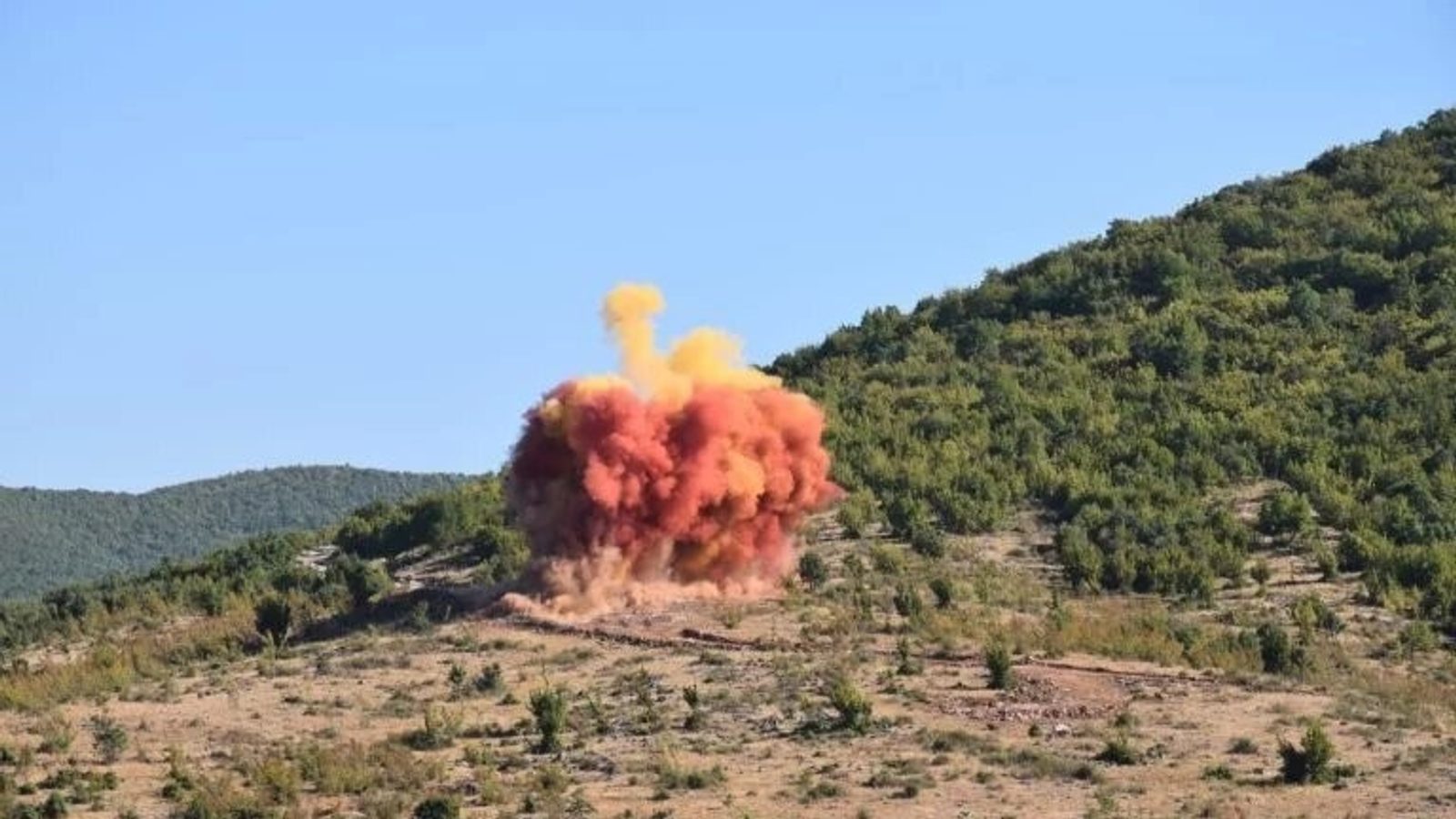
Britain purchased an explosive marketed as a more powerful version of the military plastic explosive C4 for use in Ukrainian strike drones, but government testing found no trace of the C4 main ingredient, RDX, investigators report. Documents reviewed by journalists show an initial April 2025 order of 36 tonnes with an option to buy up to 204 tonnes over two years — a volume that would be worth about £26.3 million if fully exercised.
Supplier, tests and commercial details
The explosive was supplied by a U.S. company called Tripwire South, founded by Ryan Morris of Pennsylvania, and sold under the label EDC-4 as an enhanced C4 product. British Ministry of Defence analysts say their laboratory tests after the first delivery did not detect hexogen (RDX), the principal ingredient of standard C4, although they concluded the material was suitable for its intended use.
“We carried out multiple independent analytical tests,” the Ministry of Defence said, adding that the tests detected a different explosive compound. The ministry told investigators it received positive operational feedback from Ukrainian users and therefore did not notify the supplier about the laboratory findings.
Records show the April 2025 initial order could have been followed by further deliveries that together would total up to 204 tonnes. A High Court decision dated 16 October 2026 references a separate purchase agreement for the same type of explosive, routed through Astor International, worth £4.86 million. It remains unclear how much explosive has actually been delivered in total and how much public money has been spent across all contracts.
Sources familiar with pricing told reporters that Tripwire South was selling the product at a 70–95% premium over its own purchase price from the manufacturer. The company defended the margins, saying such comparisons omit storage, transport, testing and regulatory compliance costs. Investigators also noted that some safety documentation accompanying shipments to Ukraine lacked elements present in the manufacturer’s paperwork; that difference has safety implications when materials are handled.
Tripwire South rejected the allegations, saying it believes all batches it supplied contained RDX and that the product was correctly described to buyers. “There is no loss for the Ministry of Defence and there are no complaints from any buyer,” the company said and warned it would pursue legal action against the reporting newspaper. The Ministry of Defence told investigators the contract did not require a minimum concentration of RDX and the supplier had not specified any such threshold, so trace amounts could have been missed in testing.
Mike Martin, a member of Parliament’s Defence Committee, said he was concerned lives of hundreds of Ukrainian soldiers may have been put at risk. The investigation did not identify confirmed injuries linked to the explosive’s use, and the Ukrainian Ministry of Defence did not respond to questions before publication.
Photo: press material from the event