UK government to consider changing age of consent after woman accuses Russell Brand
Deputy Prime Minister Louise Haigh says the woman's account merits review; London police opened an investigation in January 2026.
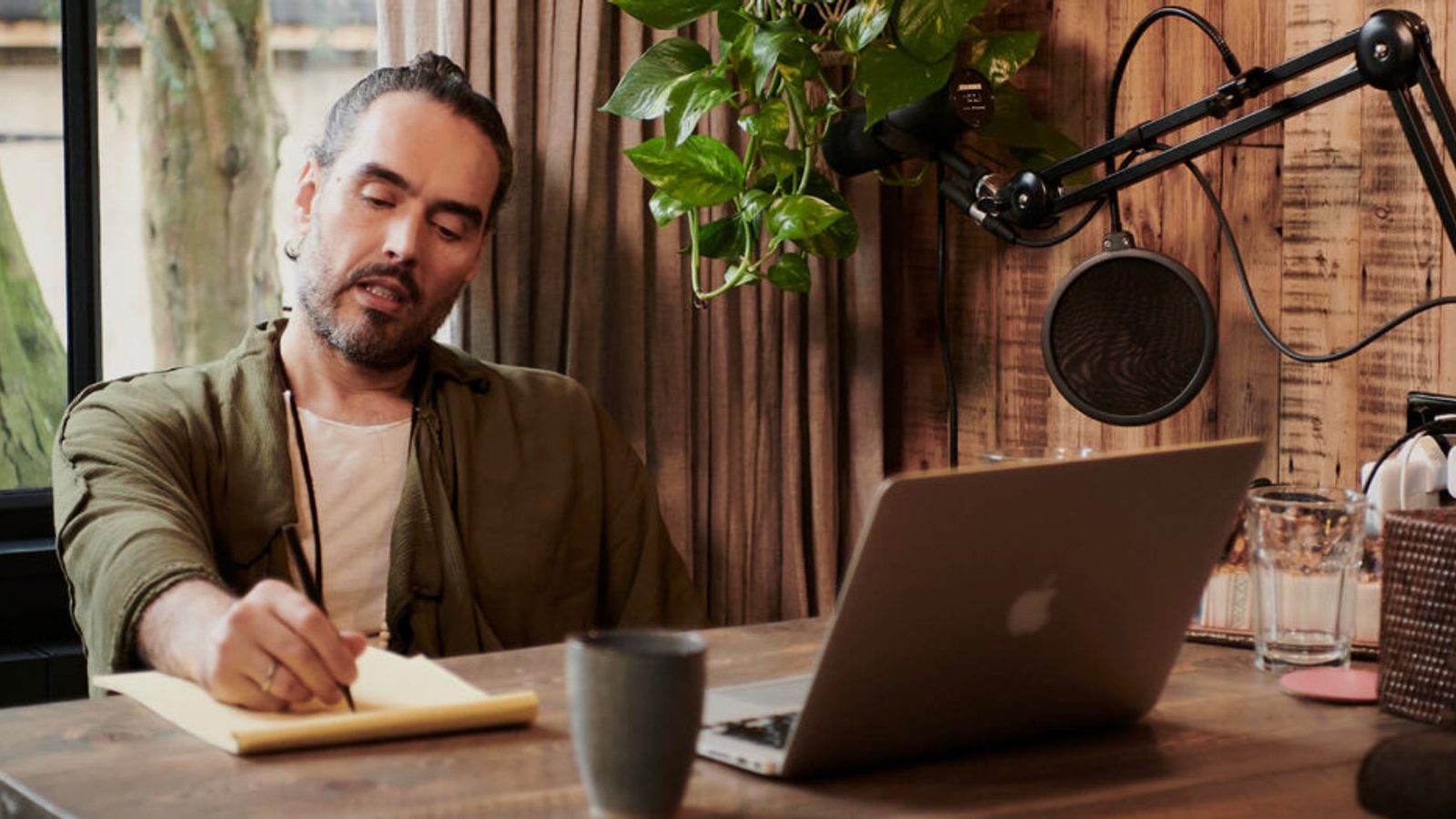
The UK government has announced it will consider proposals to change the legal age of sexual consent after a woman waived her anonymity and accused comedian Russell Brand of raping her when she was 16.
Mia Later, now 37, says Brand — who is currently serving a prison sentence — orally raped her when she was a teenager and he was 30. Later has called for a graduated age of consent so that sexual relationships between adults and 16- and 17-year-olds would be treated as unlawful.
Official response and legal questions
Deputy Prime Minister Louise Haigh told officials the account is shocking and that a change to the law deserves proper consideration. She said lawmakers should hear from Mia and other victims with similar experiences, and added that altering the age of consent would be a major step requiring careful analysis.
Under current British law, adults of any age can legally have sexual relations with 16- and 17-year-olds. Later argues adults should not be able to have sex with anyone under 18.
Later — who had previously been referred to under the pseudonym "Alice" in earlier reports and a documentary — says she met Brand in central London at 16. She alleges Brand, who was then working at MTV, continued to invite her out after she told him her age and that he raped her near the end of their three-month relationship. Brand denied the allegations when they were first published in 2023.
Later spoke to police after the documentary, but the Crown Prosecution Service (CPS) initially decided not to include her case in the prosecution of Brand. Brand was convicted for assaults on four of six women who gave evidence and is currently serving a sentence of ten and a half years for one rape and three sexual assaults. Scotland Yard said it opened an investigation into Later's allegations in January 2026 and that the inquiry is ongoing; the CPS said it continues to work closely with investigators.
The controversy comes amid separate police inquiries announced this week into serious sexual allegations against comedian David Walliams, including a claim by a woman who says she met him at 15 and described the encounter as a sexual assault. Walliams has denied any wrongdoing. After it emerged that one of the women alleging against Walliams was reportedly asked to sign a confidentiality agreement, Haigh said the government should consider banning such nondisclosure agreements in cases involving harassment or discrimination so victims are not silenced.
Photo: Rasel Brend)