UK water companies earned more than £340 million from industrial effluent
Inquiry finds sewage works accepting billions of litres of industrial waste annually, raising pollution and infrastructure concerns
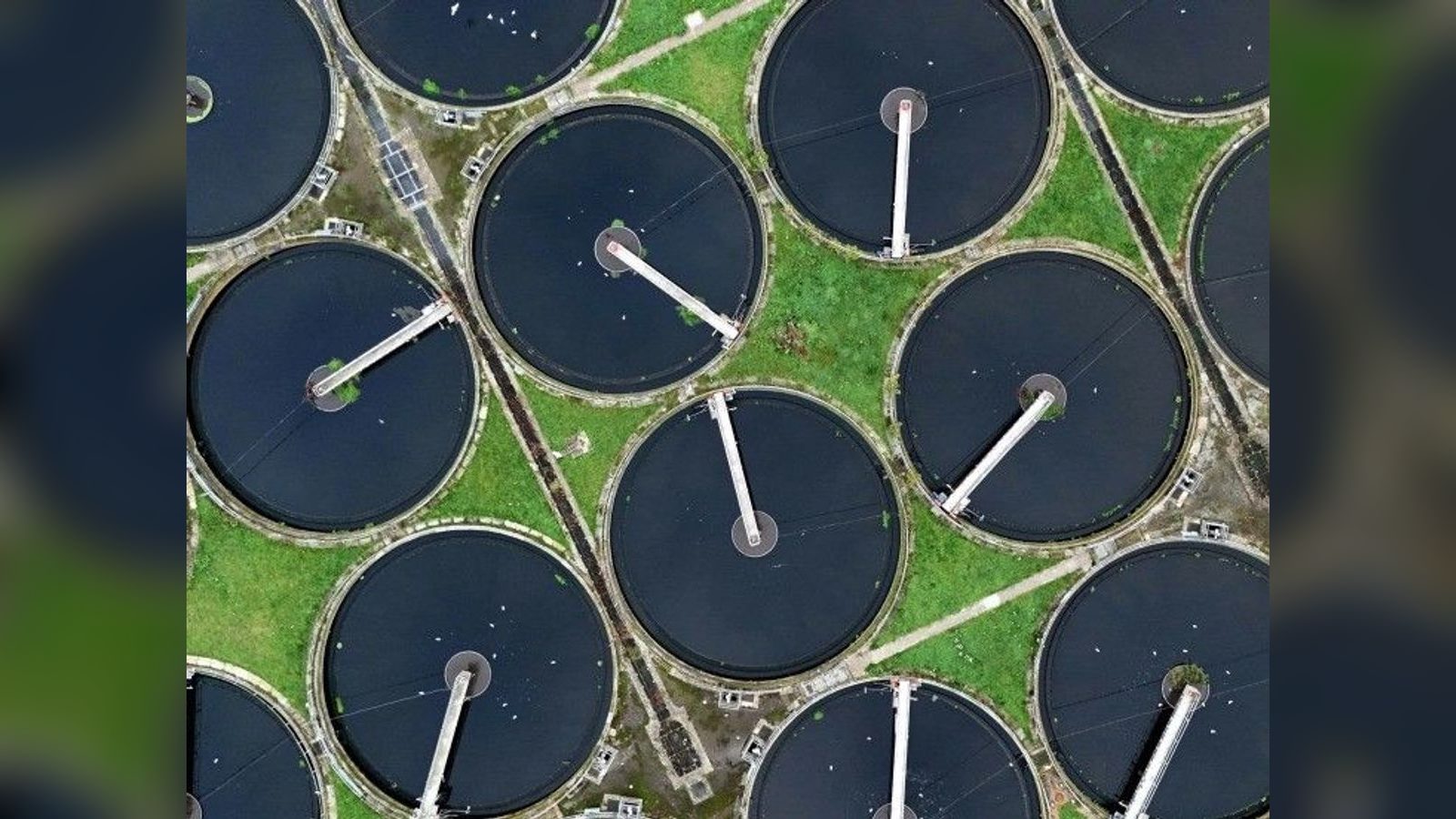
British water and wastewater companies earned more than £340 million last year from accepting industrial and commercial effluent into public sewage treatment works, an inquiry by environmental groups has found. The report warns many treatment plants are not designed to remove the range of chemicals now entering the system, allowing pollutants to reach rivers, seas and farmland.
How the system works and where the gaps are
Under English law, water companies must accept industrial discharges and are able to issue permits known as “consents to discharge industrial waste waters”, which allow businesses to send their waste into the public sewer network. Companies may refuse such requests, but there is no single independent regulator or central register to oversee the practice.
The investigation — carried out by Watershed Investigations and the activist group River Action — found that sewage works across England receive as much as 608 billion litres a year of industrial wastewater from sites including power stations, pharmaceutical firms, food factories, hospitals, abattoirs and waste treatment facilities. Water companies themselves issue the permits and monitor compliance, while environmental regulators have little direct role in that process.
Most sewage treatment works rely on biological treatment processes that are not designed to remove many industrial chemicals. Substances that survive treatment are released into rivers, lakes and coastal waters as what is legally defined as “treated effluent”, while contaminants that remain in sewage biosolids are spread on agricultural land as fertilizer.
The additional industrial load also contributes to sewage-system overloads and more frequent discharges of raw sewage, which has provoked public anger, protests and renewed calls to nationalize the industry so profits would be reinvested in infrastructure rather than returned to shareholders.
Financial data included in the inquiry show United Utilities received the largest income from industrial waste last year, at £61.6 million, followed by Yorkshire Water at £48.8 million. The sector’s income from accepting industrial and commercial waste waters has risen sharply over the past five years.
“Industrial pollution must not become a profitable business for water companies. Polluters must be held to account and made to pay for it, rather than shifting the costs and consequences onto others,” said Amy Ferman, a spokesperson for River Action.
A Department for Environment, Food and Rural Affairs (DEFRA) spokesperson said water companies must never profit from pollution. “We know the water sector has not been operating in the public interest for too long and we are implementing reforms, including how waste waters are disposed of,” the spokesperson added.
Photo: press material from the event