Bundesliga seeks a new global lift: can German football become a worldwide draw again?
Bayern’s dominance, new US rights and shifting fan habits complicate the German league’s push to regain global momentum.
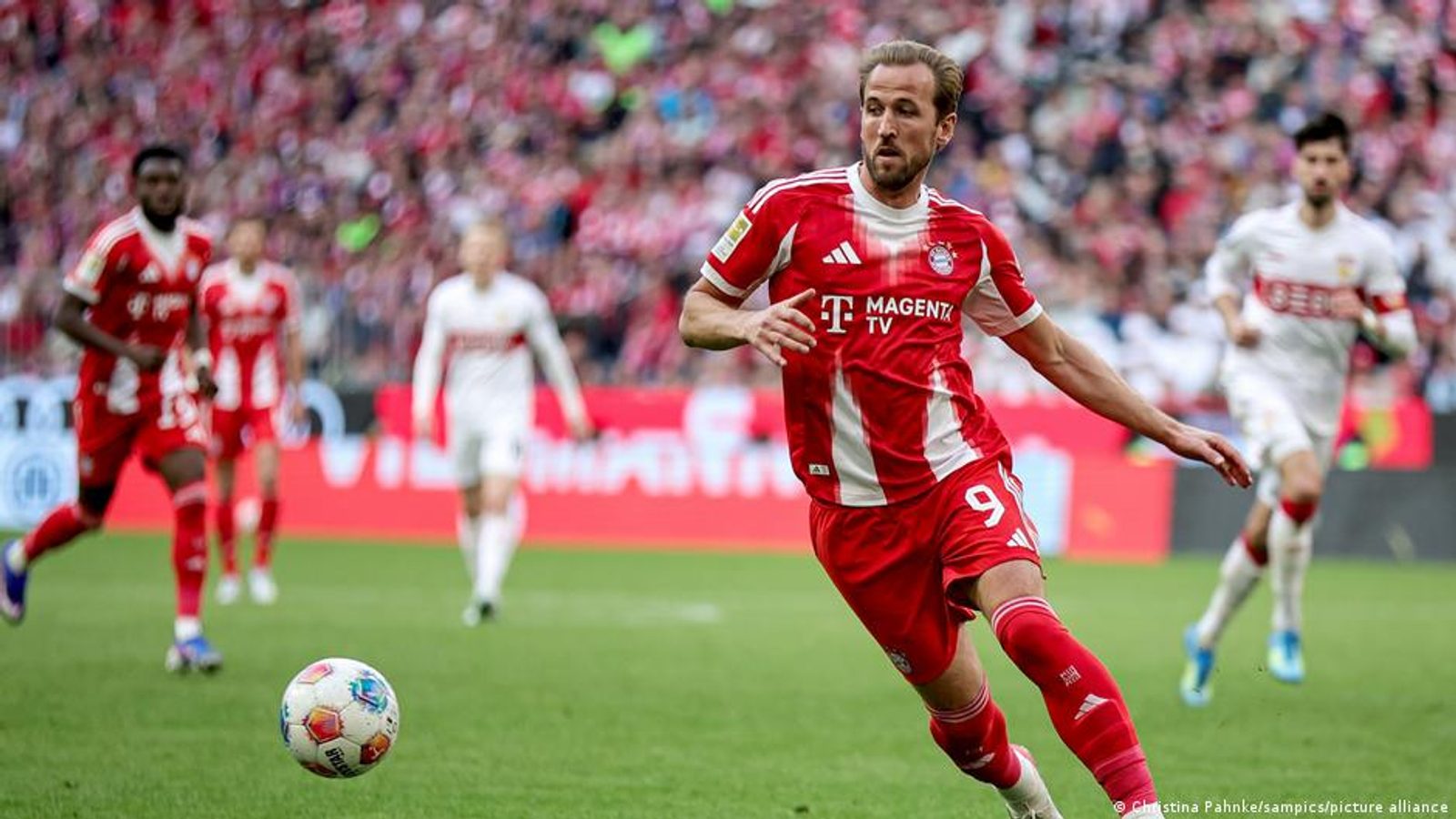
After the “XXL” World Cup and a new U.S. broadcast agreement, the Bundesliga is trying to rekindle wider global interest — but Bayern Munich’s long dominance and fierce international competition are testing how far the German league can expand abroad. (28 August 2026)
American fans offer mixed verdicts. "It's hard to argue that the Bundesliga hasn't declined in that respect. When Bayern Munich and Borussia Dortmund played the Champions League final in 2013, I believed the league was clearly demonstrating its superiority and intention to remain at the top of European club football. I couldn't imagine that that might be only a short-lived peak," said Randal, a Köln supporter from the U.S. who has followed the Bundesliga for 16 years. "Honestly, the Bundesliga has probably already reached the peak of its popularity. From now on it can only decline."
Not everyone agrees. Dominik Schreyer, a professor of sports economics, warned against declaring the league's golden era over. "I would be cautious about claims that the Bundesliga's golden era is finished," he said, while acknowledging structural limits: "Long-term Bayern dominance has reduced uncertainty at the top of the table, while the Premier League has gained a significant financial and distribution advantage. The problem therefore is not only a lack of talent or interesting stories, but the Bundesliga's limited success in turning those advantages into sustained international viewership."
Challenges in the U.S. market and beyond
Bundesliga executives point to measurable growth: Robin Austerman, the league's executive vice president for the U.S. market, said the number of Bundesliga fans in America has risen by "43 percent in the last five years." Yet the new U.S. deal — and the choice of partner — has drawn criticism. "Many fans were disappointed by the league's decision to work with Fandango from next season," said Jody, who has followed German football since 2006. He argued that to grow in the U.S. the Bundesliga needs wider distribution on mainstream platforms and stronger media promotion, similar to how NBC developed the Premier League audience.
There are brighter signs elsewhere: the fan base in Brazil doubled between 2018 and 2024 to about 24 million, and community-building efforts under the "Bundesliga Common Ground" programme have increased interest in countries such as Thailand and Vietnam. Still, observers say the league must balance any commercial push with what makes German club football distinctive — affordable ticket prices and passionate local support. "I think it would be very unwise to throw away everything that makes German club football great just to try to compete commercially with the Premier League," Randal added.
Schreyer argues the surest route to renewed attention is sport-driven: attracting and keeping top clubs and stars, and letting strong competitive narratives emerge. "Once you attract viewers, the Bundesliga's strengths — fan culture, historic clubs, player development and stories like Schalke's return or Elversberg's rise — can deepen that interest," he said. With a pivotal season ahead, the league faces a strategic choice: chase broader market reach through media deals and distribution, or protect the domestic model that built its reputation. Schreyer concluded: "The new deal should ultimately be judged by whether it helps restore demand, not only by its potential reach."
Photo: press material from the event