Power prices on regional exchanges hit record highs
Heat, drought and low river levels cut hydropower and strained supplies, pushing evening exchange prices in several Balkan countries to unusually high levels.
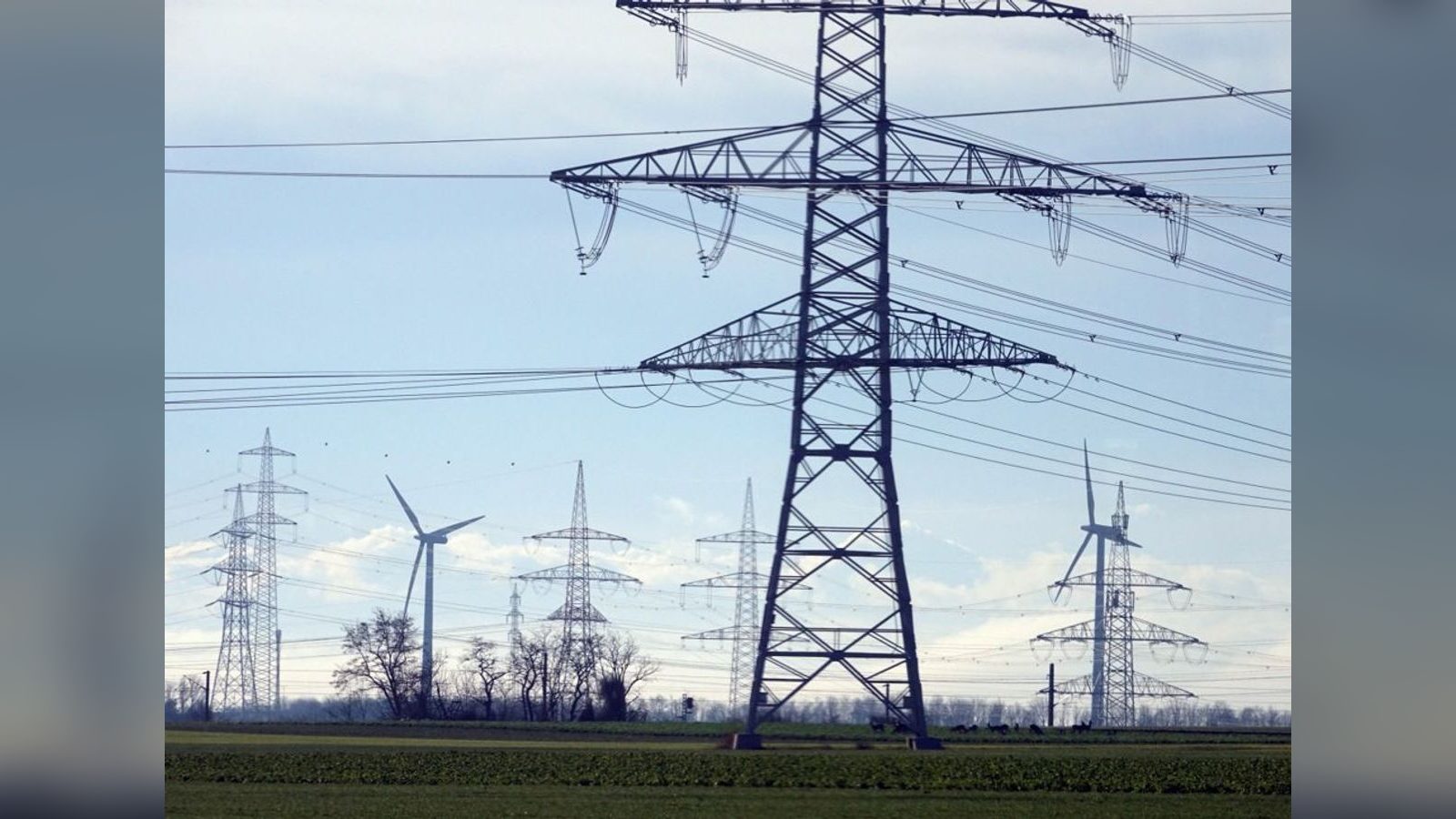
Power prices on several Balkan exchanges spiked to record levels this week as an unusual combination of heat, drought, low river levels and higher demand squeezed supply across the region.
On August 3, around 20:00, the price of electricity on the Serbian exchange reached about €550 per megawatt-hour. Even higher evening prices were recorded in Slovenia (€717/MWh) and Croatia (about €650/MWh). In the same period Romania saw prices near €535/MWh and Hungary about €510/MWh, while North Macedonia and Bulgaria remained substantially lower at roughly €217/MWh and €290/MWh respectively.
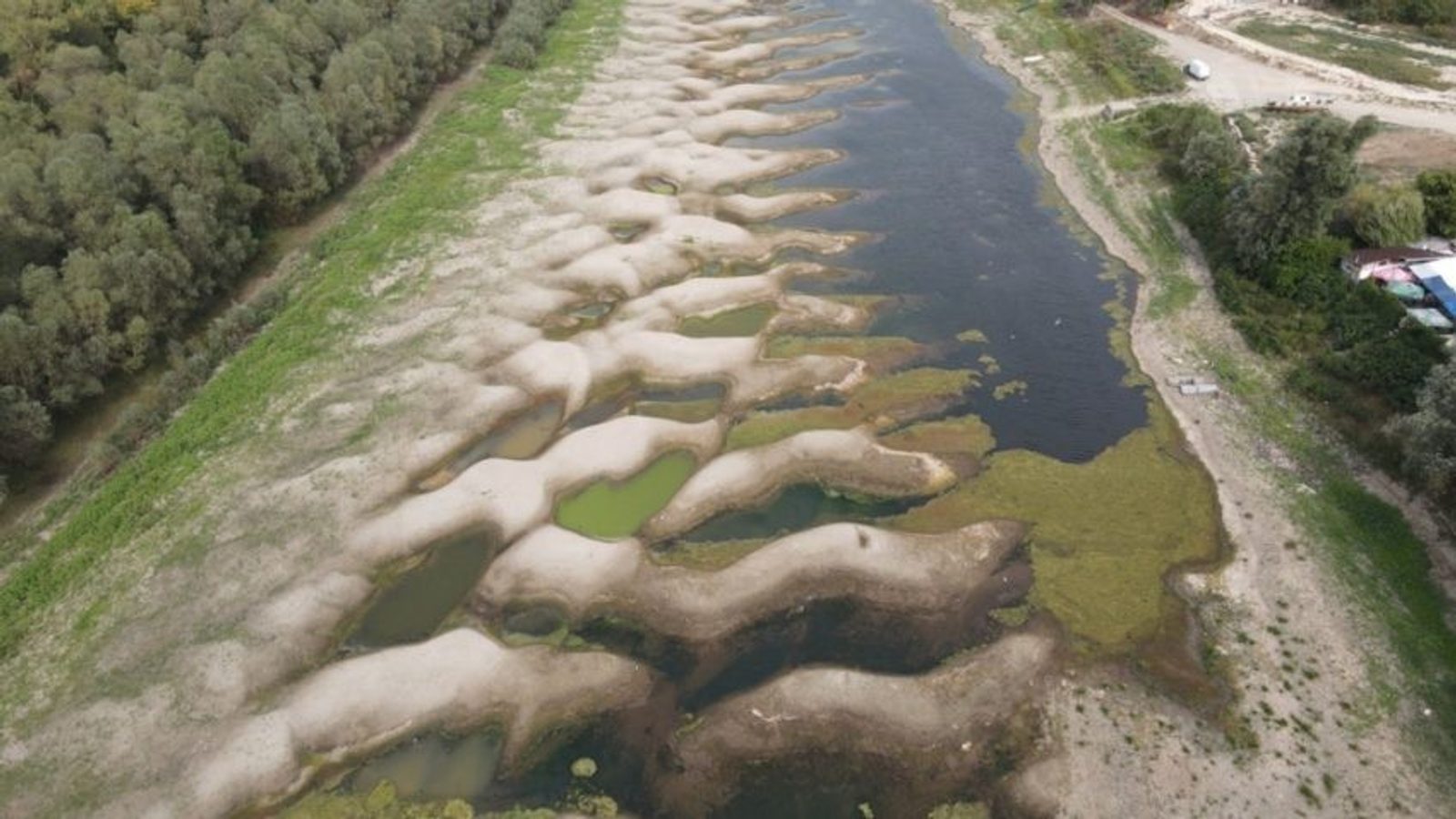
Low water levels on the Danube and other rivers are at the heart of the pressure on generation. River-fed hydropower output has fallen, and plants that rely on river water for cooling have also been affected. One reactor at the Cernavodă nuclear power plant was taken offline because of low Danube levels, and authorities warned the second reactor could also be affected. The plant supplies about one fifth of the country's electricity.
Evening peaks and shrinking solar output
Prices reach their highs in the evening because demand climbs — largely from air conditioning use — while solar generation falls sharply after sunset, creating the risky mix of lower supply and higher demand. The historically extreme low on the Danube further limits regional generation capacity.
The same pattern is visible elsewhere in Europe: higher temperatures boost air‑conditioning consumption, while heat reduces output at some thermal and nuclear plants that depend on river cooling. Several countries have already urged consumers to use electricity more efficiently as operators cope with constrained resources.
Energy experts point to long‑term remedies such as greater generation capacity, battery storage, stronger cross‑border grid connections and more flexible consumption patterns. They also call for investments in the transmission network and in generation sources that can produce when solar farms are not operating — particularly during the evening peak, when demand is highest.
By 1 September, ten North Macedonian companies will get the chance to prepare for the Exchange.
Photo: EPA-EFE/MAURITZ ANTIN