Salmonella linked to Italian cherry tomatoes; 117 cases reported
RASFF flagged Salmonella Typhimurium and S. Strathcona on 9 October; shipments traced to Croatia and Slovenia
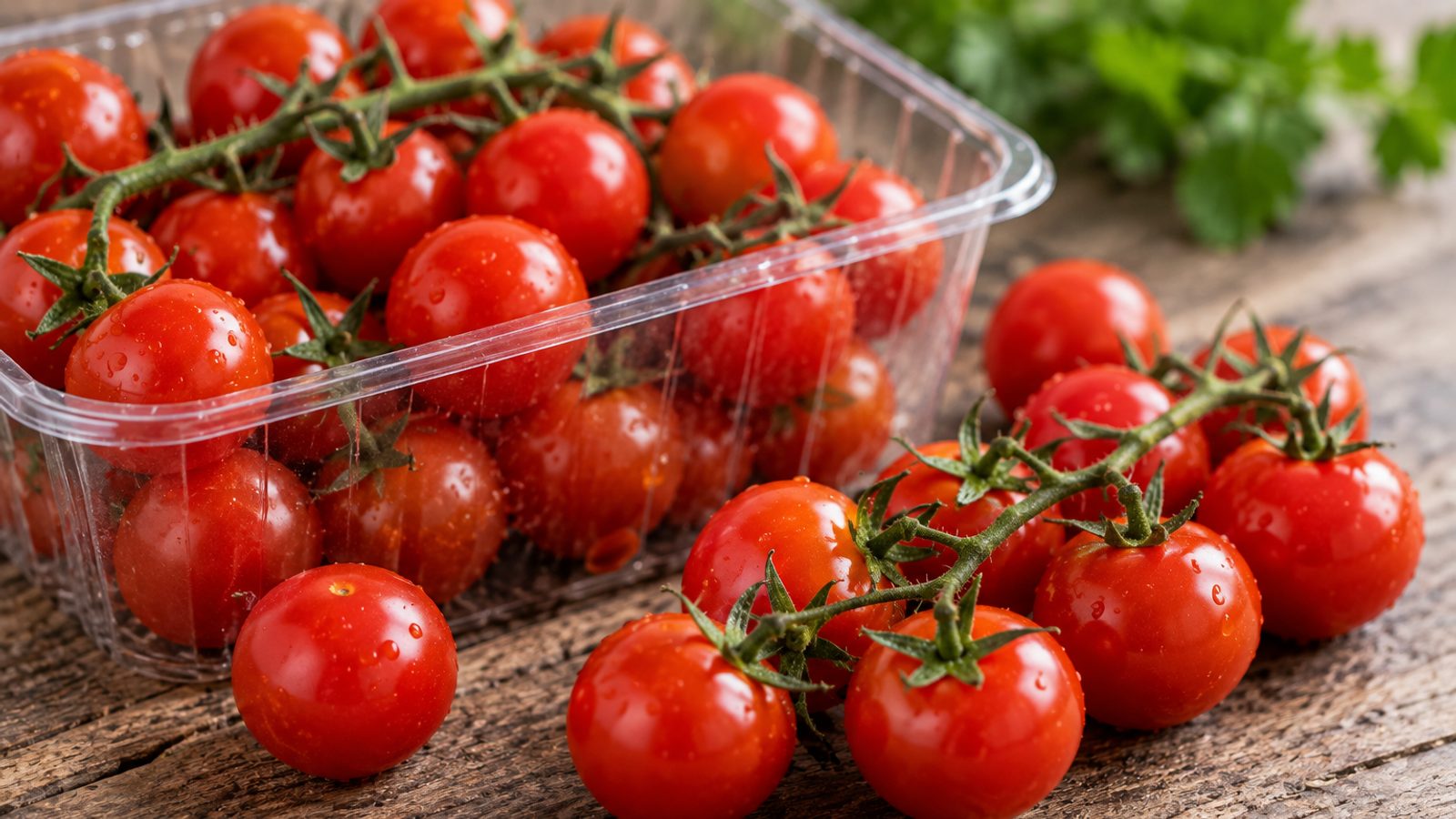
Italian authorities have linked a rise in salmonella infections to contaminated cherry tomatoes, with investigations showing the bacteria in samples and shipments that were also sent to neighbouring Croatia and Slovenia.
The Rapid Alert System for Food and Feed (RASFF) published a warning on 9 October after laboratory tests found Salmonella Typhimurium and Salmonella Strathcona in cherry tomato samples traced to Italy. The agency assessed the risk as serious and said affected products had been transported in crates for further distribution.
One sample was taken on 15 September and later confirmed positive for Salmonella Typhimurium. Regional reports show that an outbreak attracted attention in September when clusters of gastrointestinal illness were recorded in the province of Brescia.
Local cases and probes
On 19 September local health bulletins recorded 117 people with symptoms linked to the outbreak in the Val Trompia area; 13 of those patients were hospitalised. Confirmed laboratory tests in some patients found salmonella, prompting checks of the foods consumed by the sick, with particular scrutiny on meals prepared for schoolchildren and suppliers of fresh vegetables.
The company Markas, responsible for preparing and delivering school meals, said its tests detected salmonella in a batch of tomatoes used in meals for children. Prosecutors in Brescia opened an investigation on 9 October into suspected negligent bodily harm, and investigators are examining the entire production and supply chain—from cultivation and irrigation to packing, transport and delivery.
Authorities are focusing on shipments of cherry tomatoes from Sicily, especially products packed by a company based in the city of Gela. Around 15 families have filed formal complaints seeking clarification on how infections occurred and whether food-safety controls failed.
Preventive measures were introduced in parts of Italy to limit further spread: in Apulia, from 2 October the serving of fresh raw tomatoes was temporarily suspended in kindergartens and primary schools, and similar recommendations were issued to hospitals, care homes and other institutions with vulnerable populations. National agencies, including EFSA and ECDC, have previously investigated multi-year salmonella incidents associated with tomatoes; irrigation water has been considered a possible contamination route but no definitive cause for the current outbreak has been confirmed.
So far there are no confirmed reports that the suspect shipments reached the North Macedonian market.
Photo: press material from the event