Mahsa Amini aftermath: how the "Woman, Life, Freedom" movement changed Iran
The movement born after Mahsa Amini’s death has altered behavior and debate across Iran despite arrests and crackdowns.
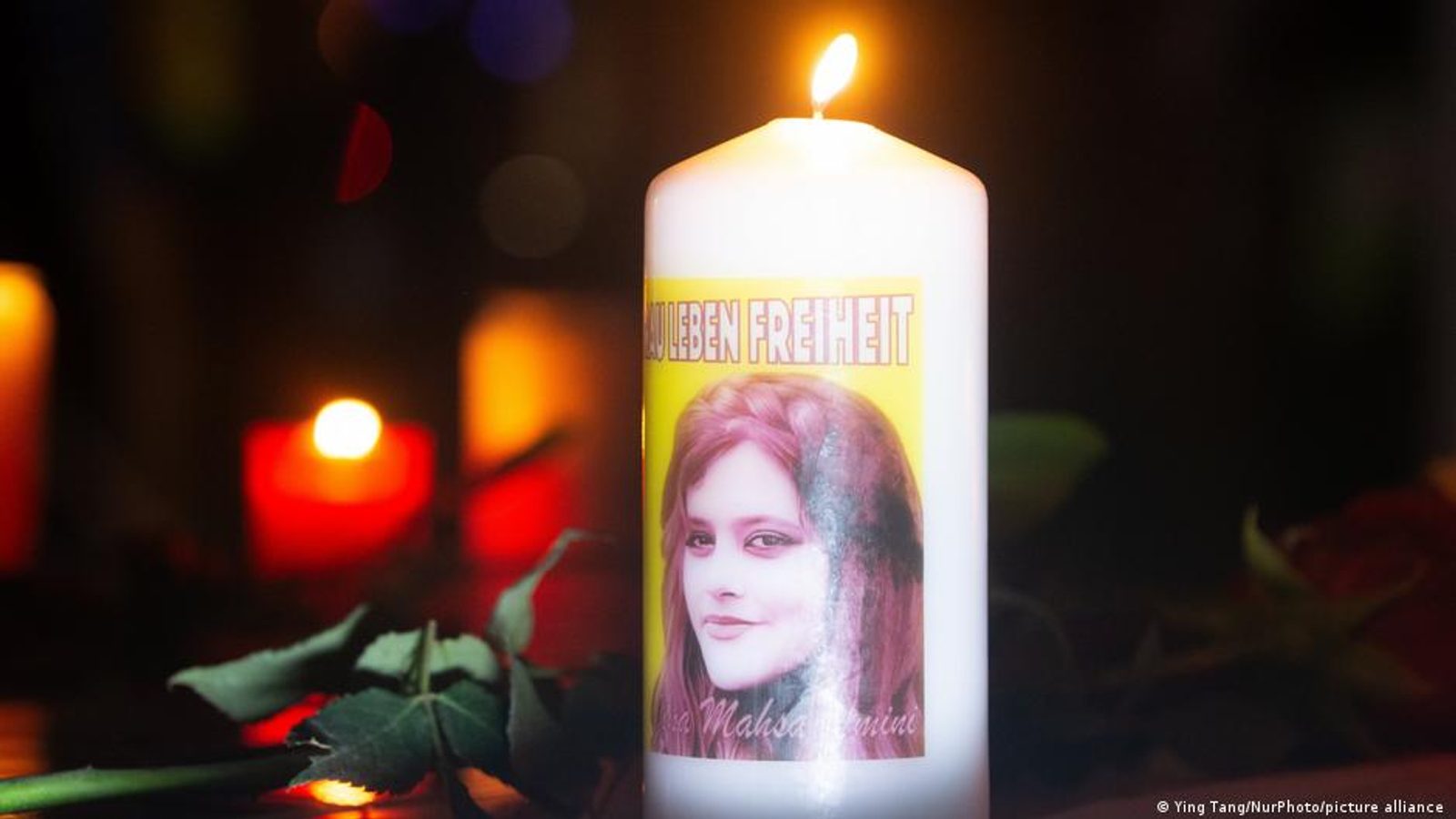
Four years after the death of Mahsa Amini, the Woman, Life, Freedom movement that grew from that tragedy has left a lasting imprint on Iranian society despite continued repression.
From a single death to a nationwide movement
Mahsa Amini, a 22‑year‑old Kurdish woman, died in a Tehran hospital on 16 September 2022 after being detained by morality police for an alleged violation of hijab rules. Three days after her arrest she was pronounced dead. Her death triggered months of nationwide protests under the slogan "Woman, Life, Freedom," which authorities met with harsh crackdowns.
"In my view, the 'Woman, Life, Freedom' movement has sparked the biggest social and cultural change in Iran in recent decades," said Puran Nazemi, an Iranian civil‑rights activist, poet and writer. Nazemi has been detained several times in recent years for her peaceful activism and continues to face the risk of criminal prosecution, yet she says she refuses to be intimidated.
The movement demanded the end of mandatory hijab and a stop to state violence, and one lasting effect has been that many Iranians now recognise their power to act collectively. "Authorities still use physical violence and occasional arrests against us," Nazemi added, "but something fundamental has changed."
Political debate over stricter head‑covering laws remains alive. During a virtual session of the Iranian parliament on 6 September, several MPs asked Speaker Mohammad Bagher Ghalibaf to forward a contentious hijab bill to the president for signature. The proposed law would impose significantly tougher penalties on women who violate public head‑covering rules.
On the streets and online, large numbers of women openly refuse to wear a headscarf in public. A 17‑year‑old student told reporters: "My mother no longer wears a headscarf. She is still a little afraid and always carries a scarf with her, just in case. But I no longer think about it." Many young women now post photos and videos of themselves in colorful skirts and summer clothing as a visible sign of the changed reality.
Yet the recent movement did not emerge from nowhere. Women's resistance has a longue durée: activists trace important roots back decades. Mansureh Shojai, a 68‑year‑old feminist activist and writer who left Iran in 2011, recalls the 2006 One Million Signatures campaign, an early mass effort to challenge discriminatory laws and to broaden public debate about divorce, child custody, inheritance, testimony and polygamy. That campaign faced severe state repression, and many of its participants endured arrests, interrogations and exile.
Notable figures who suffered pressure for their activism include lawyer Nasrin Sotoudeh and Nobel Peace Prize laureate Shirin Ebadi. Narges Mohammadi, who also endured imprisonment, received the Nobel Peace Prize in 2023. For Shojai and many others, the Woman, Life, Freedom movement is not a rupture with the past but part of a longer process of struggle for women’s rights and freedoms in Iran.
Photo: press material from the event