Montenegro promises reply to Croatia on Kotor pool, Morinj and detainee compensation
Podgorica signals replies on three disputes, but Zagreb links them to a wider eight-point agenda that could affect Montenegro’s EU path by 2028.
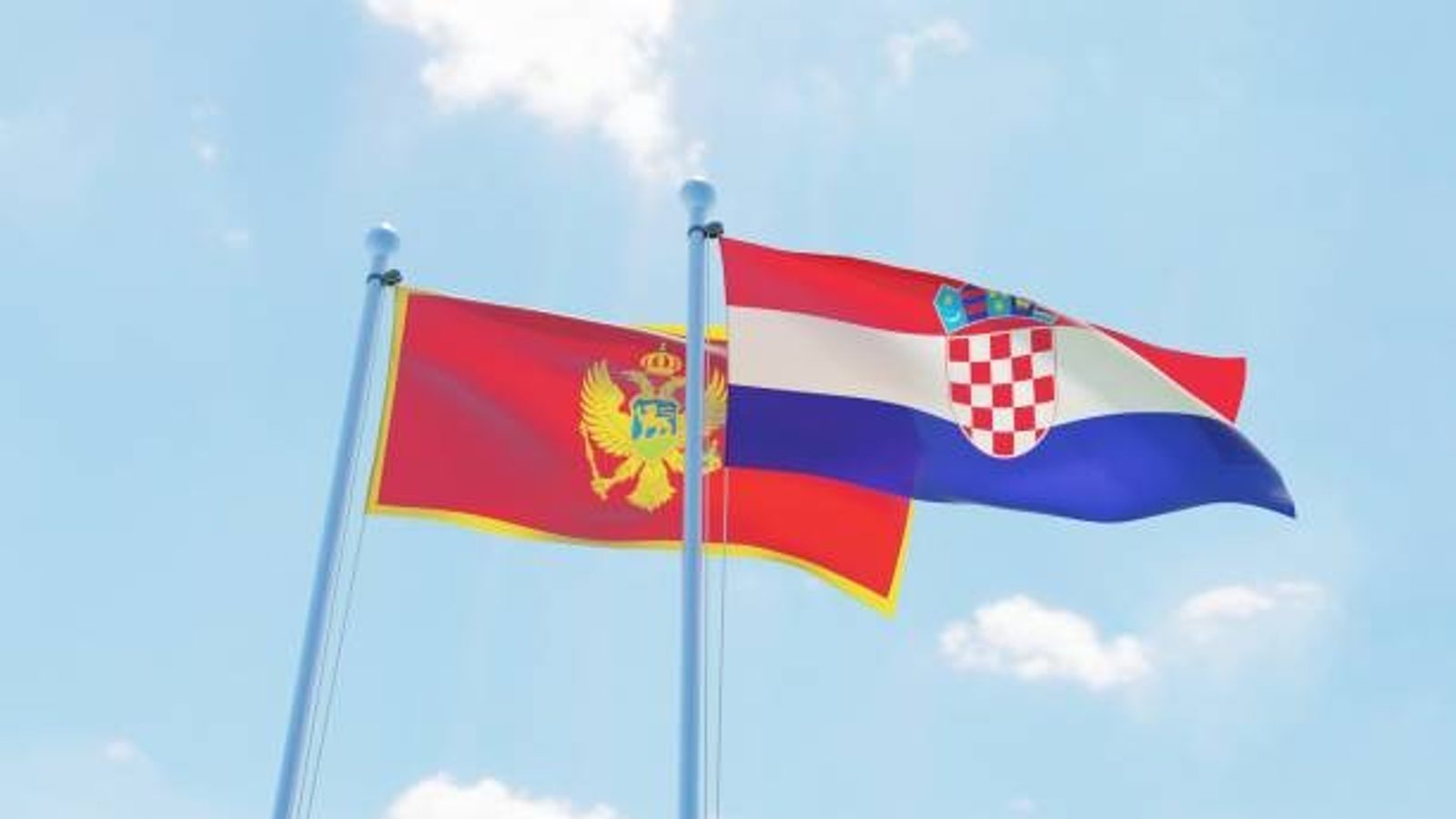
Podgorica says it will soon send concrete replies to three bilateral disputes with Zagreb: the name of the municipal pool in Kotor, a memorial plaque at the former Morinj detention camp, and compensation for former detainees. Croatia, however, has framed the disagreements as part of a wider eight-point list that also includes missing persons, war crimes, property claims, the maritime boundary and the school ship Jadran.
Montenegrin Foreign Minister Ervin Ibrahimović told reporters on 19 October: "I believe that we will soon send a response on the matter of changing the name of the pool in Kotor, on the plaque at the Morinj camp, as well as on compensation. This government is approaching these issues responsibly."
Sticking points and wider implications
One immediate flashpoint is the Kotor pool, currently named after former water polo player Zoran Gopčević. Croatian authorities allege Gopčević served as a guard at Morinj in 1991–1992. The Montenegrin Ministry of Sports and Youth has proposed renaming the pool after Petar II Petrović Njegoš; legal steps have been taken to enable a name change, but that alone does not resolve the broader disputes.
Morinj remains among the most sensitive issues between the two countries because of events during the wars in the former Yugoslavia. The camp operated from October 1991 until August 1992 and held people from the Dubrovnik region, including civilians and prisoners of war. Croatia demands compensation for roughly 300 of its citizens who were detained and abused there, and it insists the memorial plaque at the site be preserved.
Croatia compiled its demands into eight points: compensation, the memorial plaque, renaming the pool, continuing the search for 14 missing persons, prosecution of war crimes, settlement of Croatian families' property claims, talks on maritime delimitation, and the return or resolution of ownership of the school ship Jadran. Zagreb has repeatedly said these issues must be closed so they do not burden bilateral ties or Montenegro’s EU accession.
Montenegro aspires to join the European Union by 2028 and has closed 21 of 33 negotiating chapters, but finishing the process requires progress across remaining issues and the consent of member states. German Chancellor Friedrich Merz has said Montenegro met conditions and that talks are under way to prepare a final membership agreement, while noting that bilateral disputes can still require resolution.
Podgorica’s announcement marks a step toward settling some disagreements, but there is no confirmation that Zagreb considers all eight items addressed. The final outcome will depend on precise decisions, implementation and whether both sides judge the measures a durable solution.
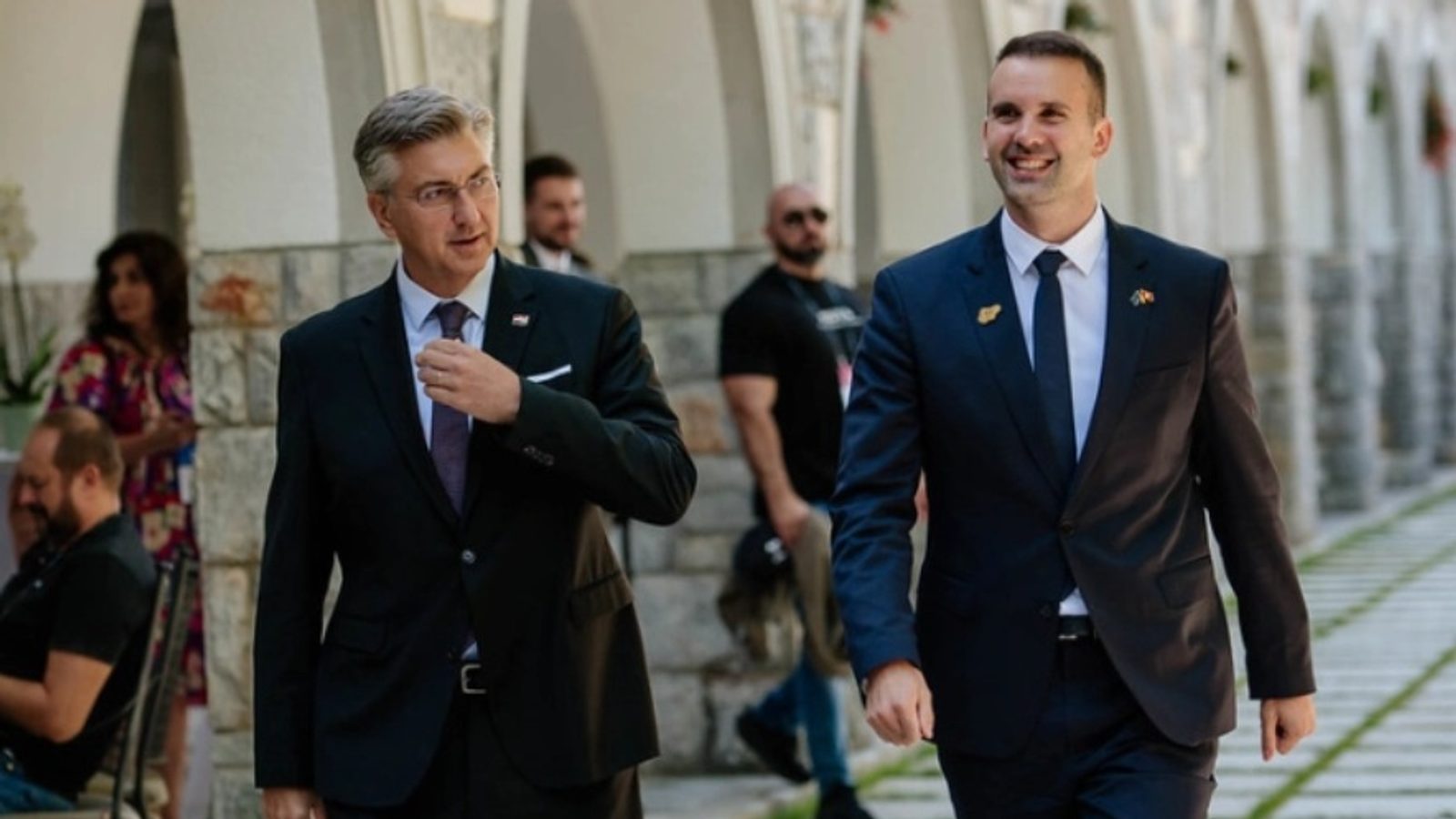
Photo: press material from the event