Montenegro closest to EU accession — Brussels eyes membership in 2028
Brussels sets a timetable: negotiations could finish in 2026 and full membership follow in 2028 if Podgorica sustains reform momentum.
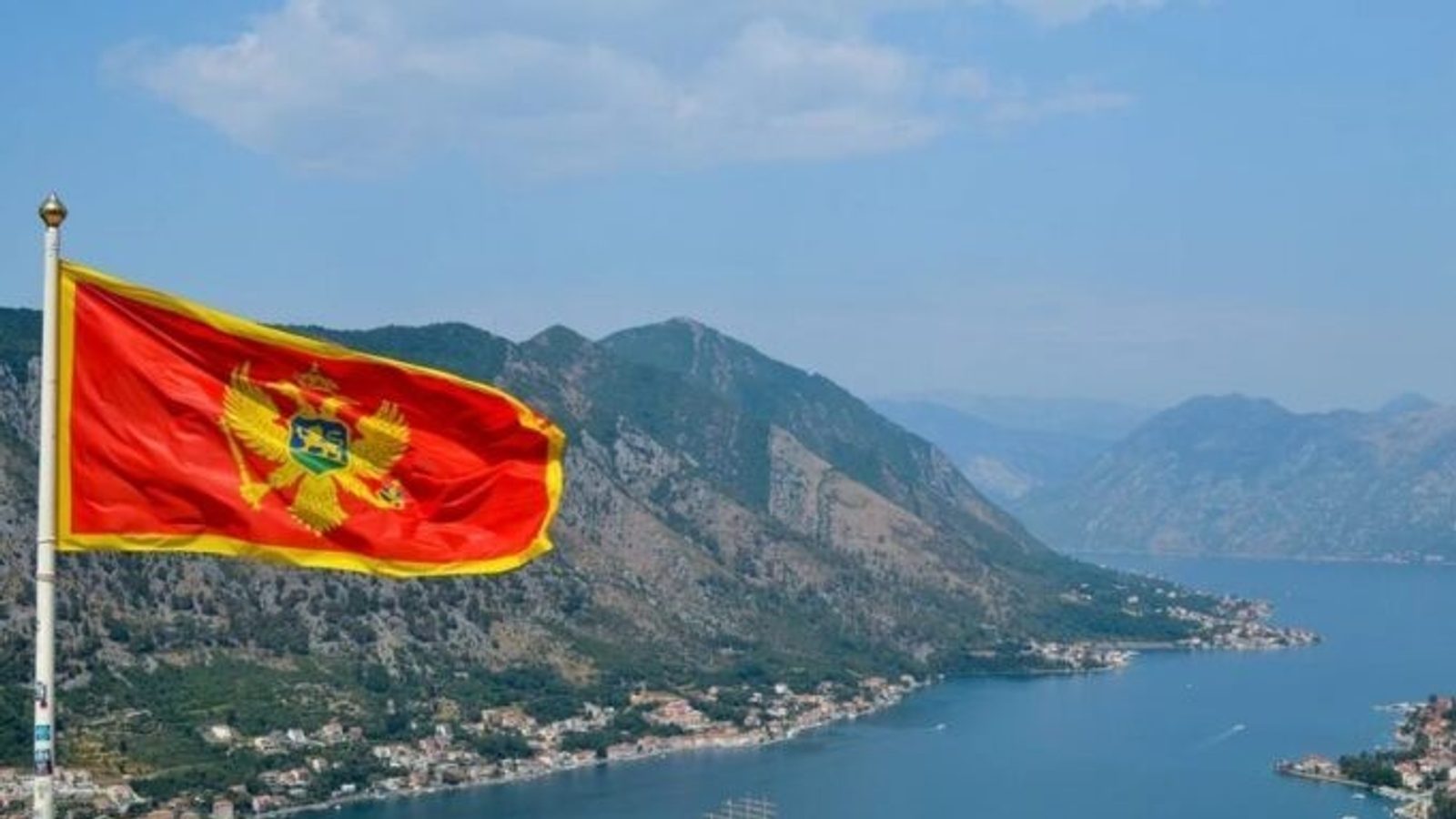
Montenegro has emerged as the frontrunner among Western Balkan candidates in formal EU accession talks, and Brussels now sees a realistic path to full membership in 2028 if negotiations stay on course. European Commission President Ursula von der Leyen said talks could conclude in 2026 with accession following in 2028.
The country, home to about 600,000 people, has used the euro since 2002; the currency’s circulation there is accepted by the European Central Bank even though Montenegro is not an EU member. That symbolic alignment underlines how far Podgorica has advanced compared with other candidates in the region.
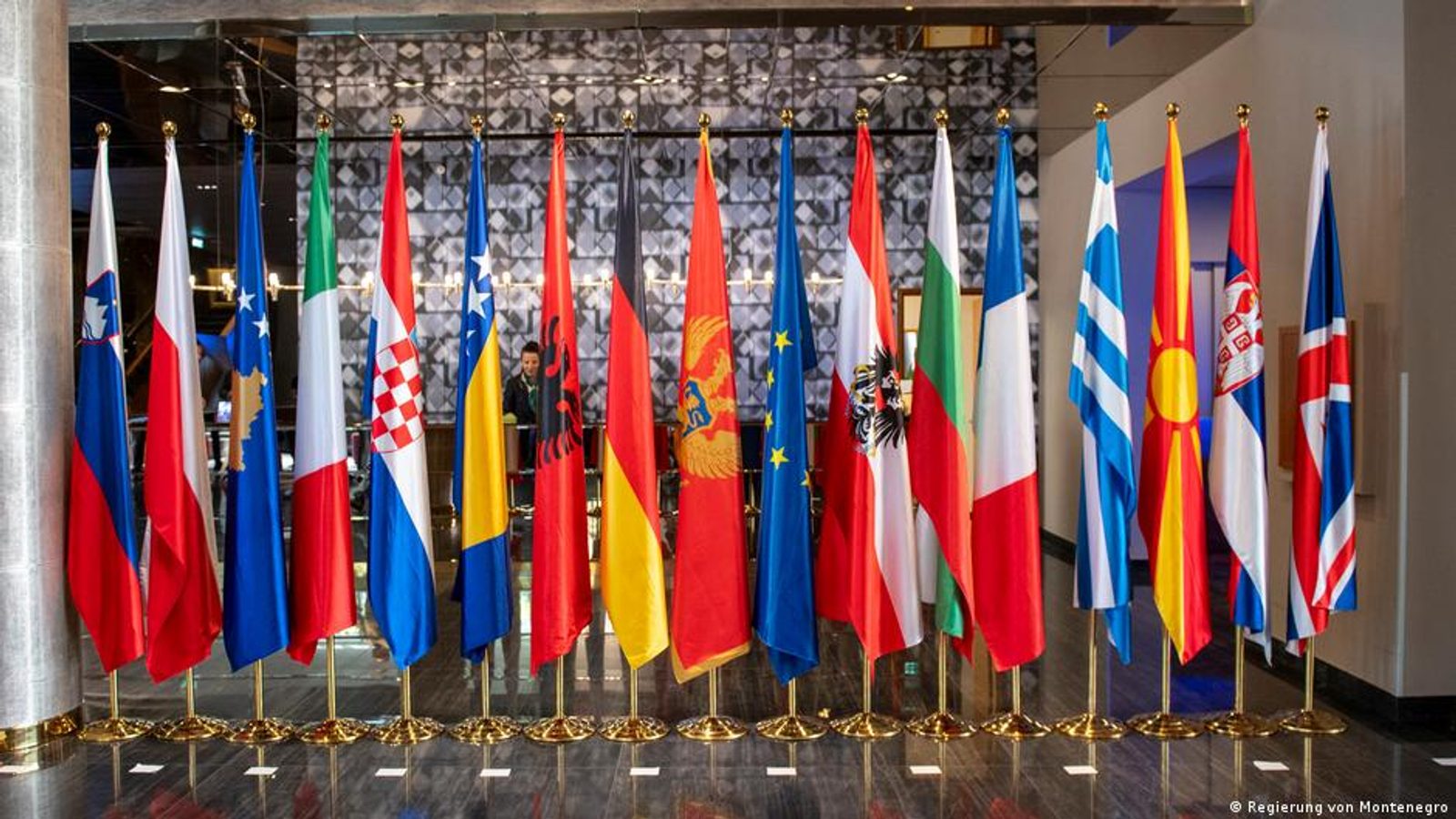
At a meeting in the coastal resort of Pržno near Budva, ministers gathered under the Berlin Process banner, where Montenegro’s foreign minister Ervin Ibrahimović urged his colleagues from Albania, North Macedonia, Kosovo, Serbia and Bosnia and Herzegovina to accelerate reforms.
"We must deliver reforms," Ibrahimović told ministers.
"We must deliver reforms. We must make our institutions ready. We must reduce political tensions and resolve outstanding issues through dialogue. Through our actions we must show that European integration is not only a strategic goal, but a transformational process we ourselves want to carry out," he said.
Germany’s Johann Wadephul, a leading voice in the Berlin Process, praised Montenegro’s momentum: "Twenty years after independence, Montenegro is knocking on the door. Believe me, that knocking is heard in Berlin and in Brussels," he said, adding that accession could happen "in the coming years." European Commissioner for Enlargement Marta Kos also encouraged the country and the region, saying: "Keep the momentum in the negotiation process. Montenegro has created a new impetus for the whole Western Balkans and I am grateful for that." Kos announced that several negotiating chapters are expected to be formally closed in October and that the Commission will present new incentives next week aimed at speeding reforms, with a focus on fighting corruption and organised crime.
Speakers at the meeting also warned of regional risks. Wadephul cautioned that disappointment with a slow accession process can fuel instability: "The frustration with the accession process may lead to the conflicts between ethnic communities flaring up again. That could happen at any moment," he said. Commissioner Kos echoed the warning and added a plea for reconciliation: "Reconciliation, not forgetting but forgiving, is the only way for all countries to the European Union."
Diplomats in Budva noted broader geopolitical pressures that could affect enlargement, including fast-tracking of countries like Ukraine and Moldova for strategic reasons, and the influence of outside actors such as China and Russia. Montenegro itself has financed a multi-billion-euro highway with Chinese credit that is planned to extend toward Serbia and to 2038, while several Western Balkan states still import inexpensive Russian pipeline gas — issues that EU accession negotiators scrutinise.
Photo: press material from the event