Debate in Parliament on the EC report: Bekim Sali urges implementation, not just laws
Minister Bekim Sali says the European Commission's 2026 report recognises reforms but highlights weaknesses; every recommendation must get an institution, deadline and measurable result.
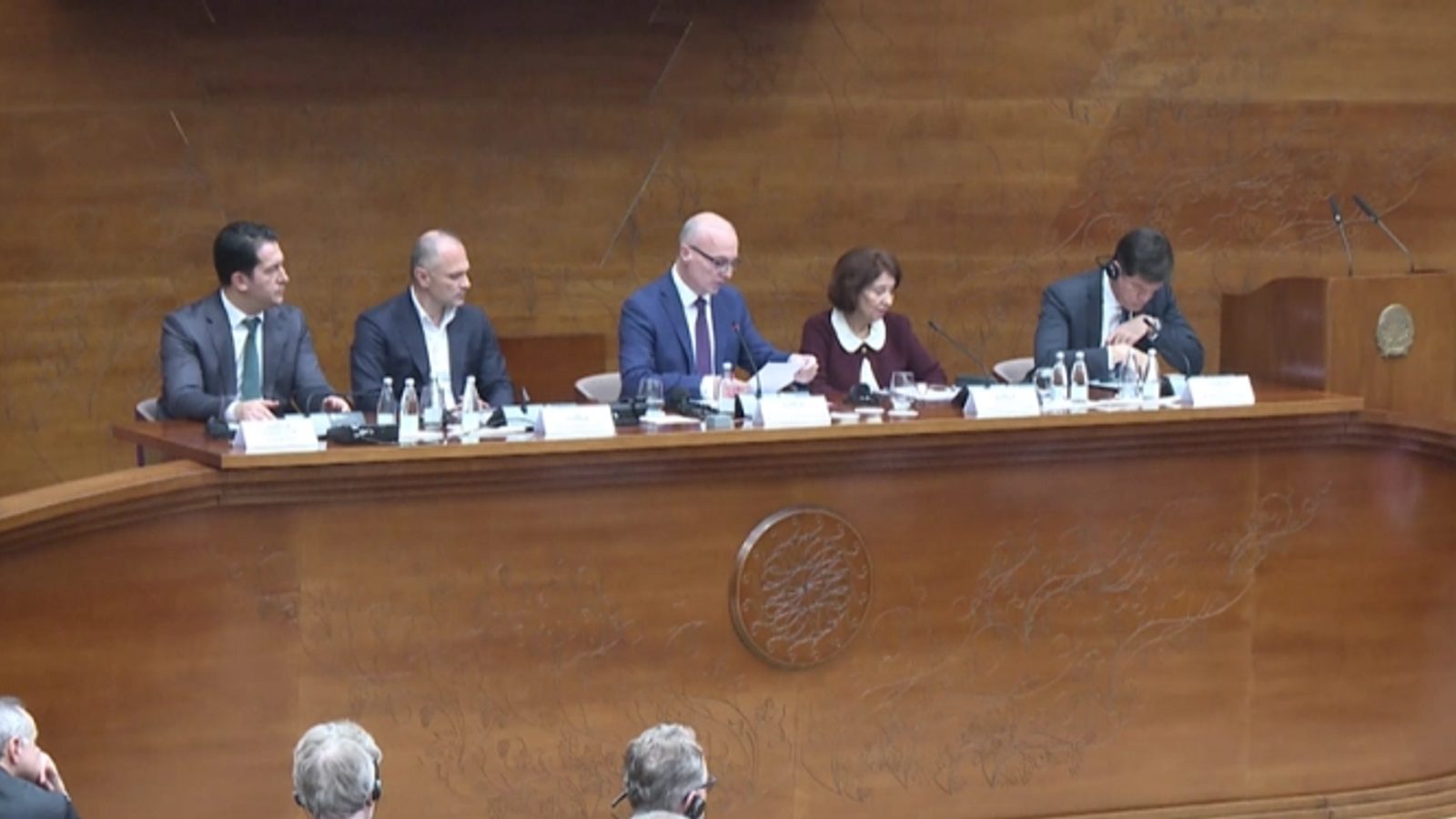
Minister for European Affairs Bekim Sali used a joint session of the Parliament's Committee on European Affairs and the National Council for European Integration to outline the European Commission's 2026 findings for North Macedonia and to press for a shift from lawmaking to diligent implementation.
He welcomed the report's recognition of domestic efforts — including delivery on measures from the Western Balkans Growth Plan and the Reform Agenda, and full alignment with the EU's Common Foreign and Security Policy — but stressed that the document also identifies areas that require more work. "At the same time it clearly points to weaknesses that require additional work, especially in the rule of law, the independence of the judiciary, the fight against corruption, public administration and the implementation of laws. We must approach these findings seriously and without selective reading," Sali said.
Sali urged lawmakers and institutions to focus on practical follow-through rather than statistics or partisan readings of single indicators. "The adoption of a law is only the beginning," he said, "implementation is the real measure of success." He said every Commission recommendation should be tied to a responsible institution, a realistic deadline and a clear way to measure delivery.
EU Ambassador Mihalis Rokas, present at the session, placed the report in a broader geopolitical context: the world is more polarized after the war in Ukraine and instability in the Middle East. He praised North Macedonia's 100% alignment with the EU's common foreign and security policy and said the country ranks among those with the highest readiness. Rokas also noted the clearest legislative advances concern digitalisation and education, and he warned that approved laws must be implemented in practice, not only on paper.
Opposition MP Aleksandar Miloshoski responded to remarks by the chair of the National Council for European Integration, arguing that some political accusations verge on extremes and recalling that enlargement became a renewed priority for the EU after Russia's attack on Ukraine. He said Montenegro's ability to close negotiation chapters by the end of 2026 will be an important credibility test for the enlargement process and that the outcome will be visible in December.
Sali closed by promising that his ministry will coordinate institutions to spot delays early and insist on visible results. "We will acknowledge progress without exaggeration, accept the shortcomings and, without avoiding responsibility, translate the recommendations into competences, deadlines and results. We owe this to the Parliament, to our European partners and above all to the citizens," he said.
Photo: press material from the event