Democratic Party puts South Carolina first in 2028 primary calendar — Jan. 22, 2028
South Carolina will vote on January 22, 2028; Nevada follows on February 1, and several other states are slated for early February contests.
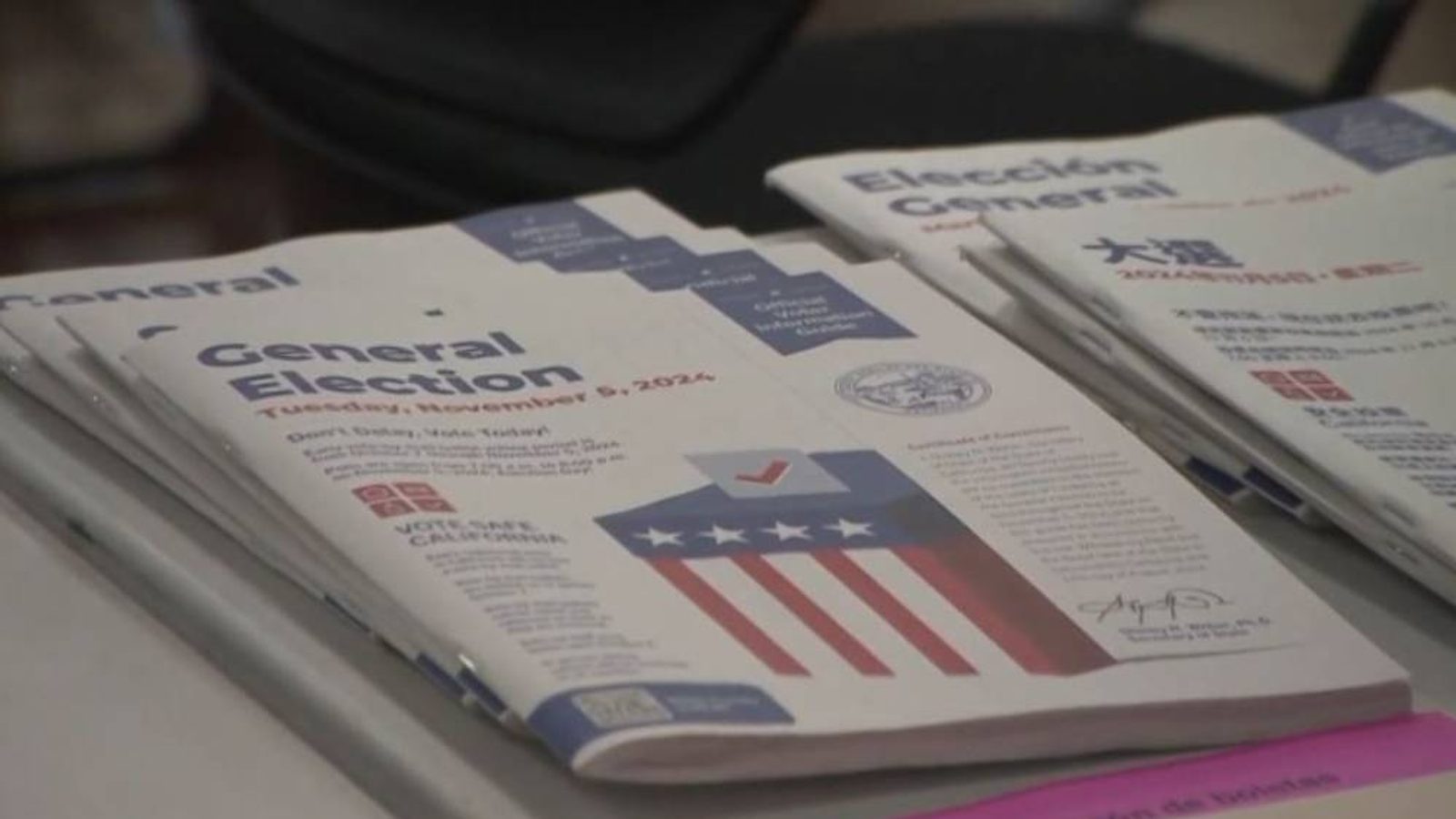
The Democratic Party approved a new 2028 primary calendar that moves South Carolina to the top of the early-state lineup, setting its primary for January 22, 2028, and placing Nevada next on February 1, 2028.
Early states reshuffled
The schedule, ratified by the Democratic National Committee at a meeting in Texas, removes Iowa from its traditional first-in-the-nation spot. New Hampshire, New Mexico, Michigan and Virginia are also listed among states scheduled to hold early contests during February 2028.
Party officials say the change forces presidential hopefuls to appeal early to electorates where African American, Latino and union voters are influential. South Carolina in particular is highlighted for its history of decisive Democratic primary margins: Barack Obama in 2008, Hillary Clinton in 2016 and Joe Biden in 2020 all recorded strong wins there, buoyed by an African American primary electorate that makes up more than half of Democratic primary voters in the state.
Nevada and New Mexico now follow in the early window, meaning campaigns will have to court Latino voters much earlier in the nominating fight. The shift away from a sequence dominated by Iowa and New Hampshire also alters the pathway for lesser-known contenders: the calendar notes that a recent example of a candidate rising from relative obscurity was Pete Buttigieg in 2020, when the 37-year-old former mayor produced a notable result.
Inside the party there remain disagreements over whether the split between the progressive wing and the mainstream liberal current will influence the primary calendar. The committee’s plan keeps South Carolina as the only one of the six earliest states that is not widely considered a competitive battleground for the general election.
Those six early states together carry 43 Electoral College votes — a meaningful chunk of the road to the 270 of 538 electoral votes needed to win the presidency — and the new order means Democratic candidates will spend significant time and resources in those states before Super Tuesday.
Photo: press material from the event