Democrats reach 56 seats in U.S. Senate after Peltola's Alaska win
Mary Peltola’s Alaska victory flips the balance to a 56–44 Democratic advantage in the Senate, but the margin falls short of a 60‑vote threshold.
The Democratic bloc will hold 56 seats in the United States Senate after Mary Peltola defeated incumbent Republican Dan Sullivan in Alaska, shifting nine Republican-held seats to the Democrats and producing the party’s largest single-election gain in a midterm since 1958.
Election officials in Alaska declared Peltola the winner on November 17, about two weeks after Election Day. With roughly 99 percent of expected ballots counted, she received 50.1 percent of the vote to Sullivan’s 45.8 percent; because she cleared the 50 percent threshold under Alaska’s ranked-choice rules for a first-choice majority, no additional rounds of allocation are required.
The result moves the Senate math to a 56–44 advantage for the Democratic bloc. Before these contests, Republicans held 53 seats to the Democrats’ 47. The new balance includes 54 Democratic Party senators and two independents, Bernie Sanders and Angus King, who caucus with the Democrats.
Senate implications and limits of the majority
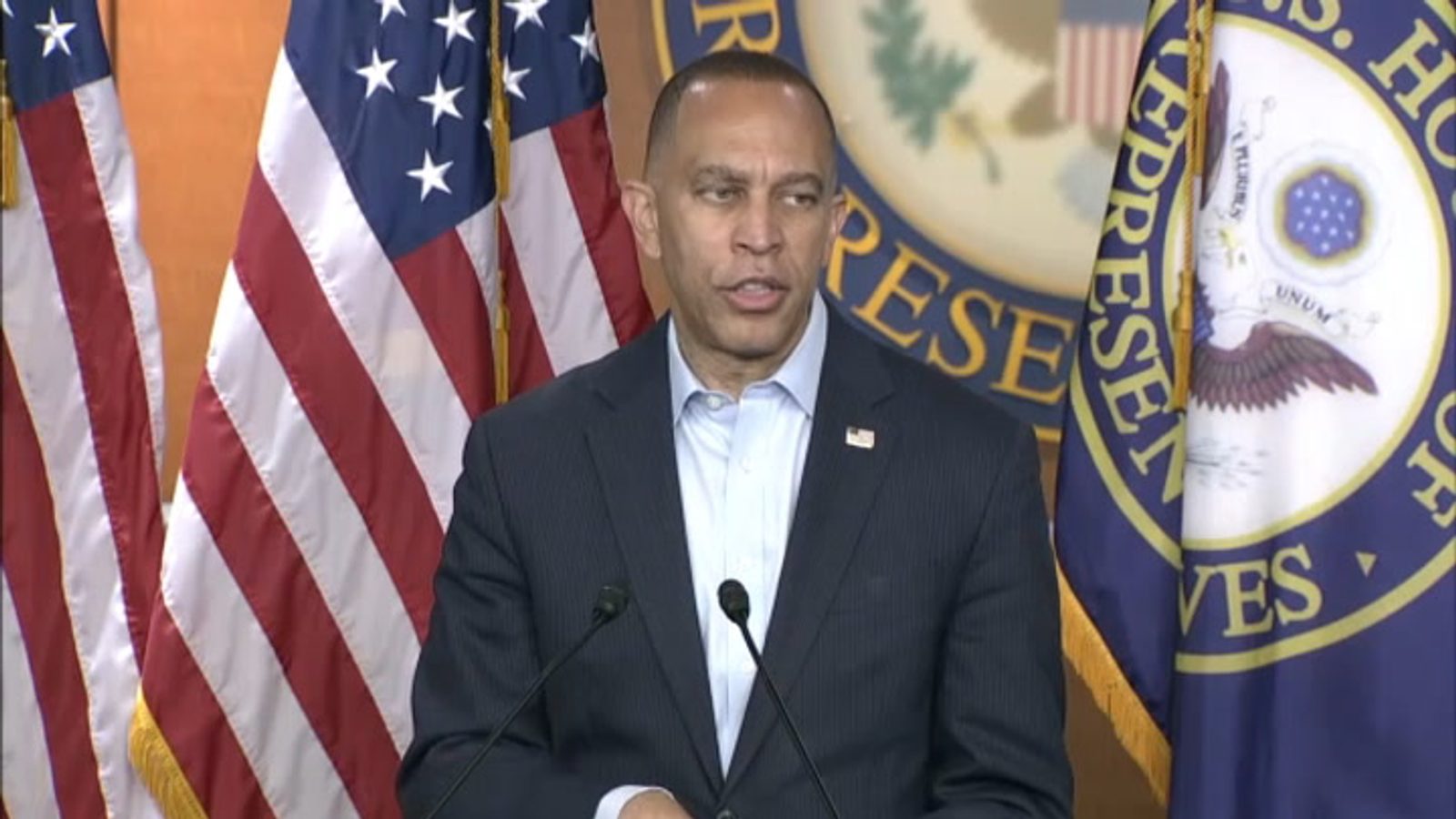
Senate Democratic leader Chuck Schumer said the outcome exceeded expectations. "Fifty-six seats were an unimaginable result just a few months ago," he said, noting that early in the cycle many believed the party could not even reach 51 seats.
While the Democrats will control both chambers of the United States Congress from January, the 56-seat majority is short of the 60 votes commonly needed in the Senate to close debate on most legislation. Democrats also won control of the House of Representatives, but the White House remains held by Republican Donald Trump.
Peltola will be the first Alaska Native elected to the U.S. Senate and the first Democrat to win a Senate race in Alaska since 2008. Her victory is one of several pickups for Democrats on election night — they flipped Republican seats in North Carolina, Maine, Ohio, Texas, Iowa, Kansas, South Carolina and Mississippi.
The new Congress is due to convene on January 3, 2027. Alaska’s official certification of the Senate result is scheduled for November 25, so the 56–44 count remains a projection until that certification is completed.
Photo: press material from the event