Today believers commemorate Saint Ipolit — a day for family, faith and love
The martyrdom of Ipolit gave rise to a household-focused folk tradition: families visit church, light candles and spend the day together for health and luck.
Believers mark today the feast of Saint Ipolit, celebrated on the day that follows the Transfiguration. The observance is closely associated in folk tradition with the household — family unity, mutual care and the bonds between parents and children.
In parts of historic Serbia a custom formed — still kept in some places — for families to go together to church and light candles in honour of Saint Ipolit. The common ritual is to pray together for health and then spend the rest of the day close to one another; those who follow the custom believe the family will enjoy good fortune throughout the year.
Even people who do not share these religious customs are often advised to dedicate the day to their closest relatives: to talk, to joke and to laugh together. The folk belief holds that the love you give will return to you many times over.
Who was Saint Ipolit?
Ipolit served as a soldier and as an overseer of prisons in Rome. When the archdeacon Lavrentij was thrown into custody, Ipolit received orders to keep particularly careful watch over the prisoner.
According to church tradition, Ipolit saw with his own eyes how Lavrentij restored sight to the blind Lukilij and healed other sick people. After witnessing these events, Ipolit came to believe in Christ. Once Lavrentij baptised him, Ipolit had a heavenly vision and said: "I saw innocent souls in great joy." He took Lavrentij to his own house and the members of his household were baptised there too. When Lavrentij was killed for his faith, Ipolit took the martyr's body by night, wrapped it and buried it with dignity.
When Emperor Decius learned of Ipolit's actions and his conversion, he ordered his arrest. Brought before the emperor on the third day after Lavrentij's death, Ipolit was asked to renounce his faith but refused, and subsequently endured severe torture. When his garments were removed he told the emperor: "You have not undressed me, you have begun to clothe me." The emperor asked why he no longer honoured the gods and why he was not ashamed of his nakedness; Ipolit replied that he was no longer "naked" because he had been "clothed in Christ," and that before becoming a Christian he had lived without Christ's grace. While being tormented he kept repeating: "I am a Christian!"
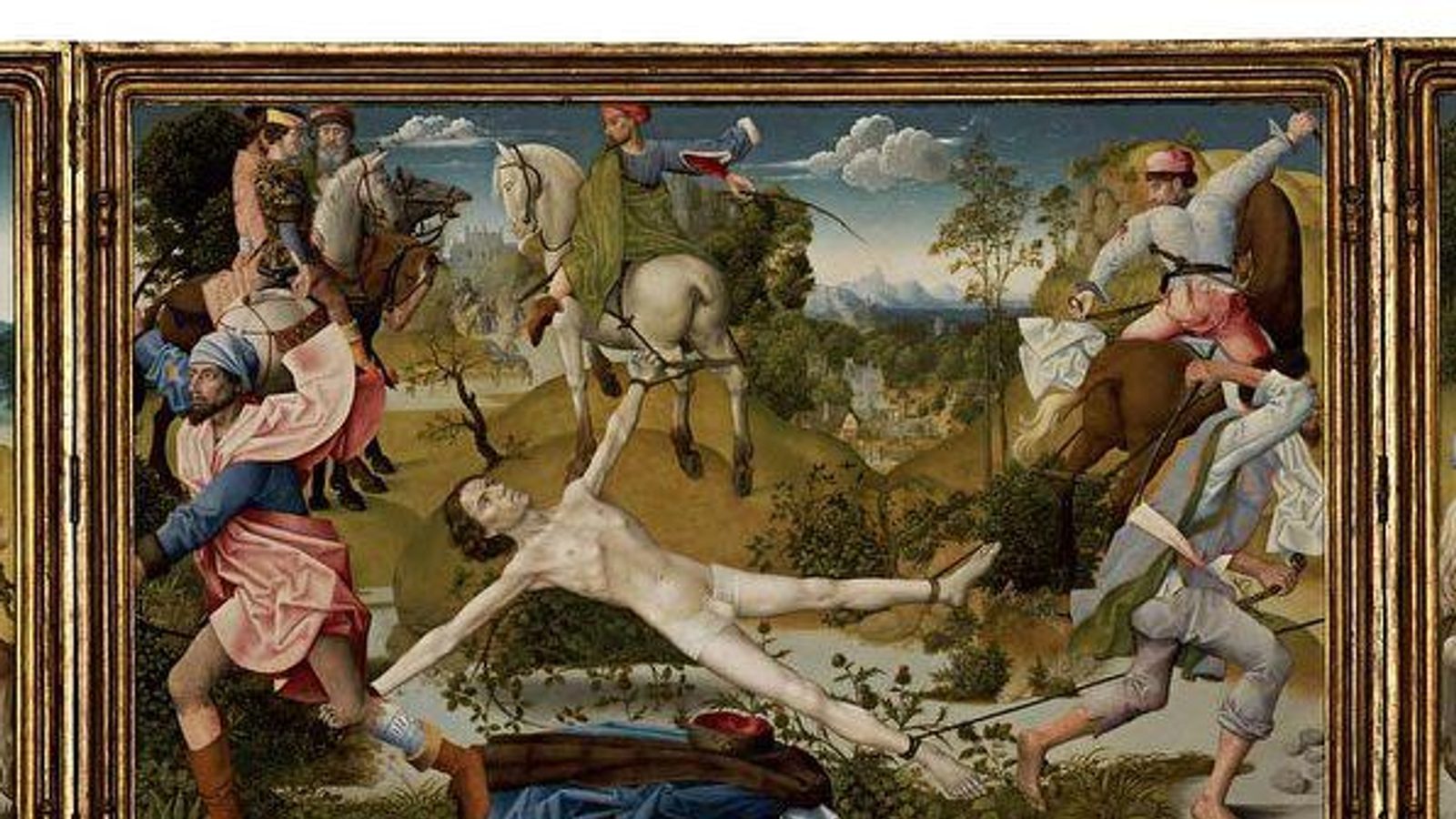
When the emperor discovered that members of Ipolit's household were also Christians, they were brought before him. The elder Concordia declared that they preferred to die honorably with their master in the Christian faith than to live after abandoning it. Tradition holds that she was killed first, followed by the other household members before Ipolit's eyes. In the end Ipolit himself was tied to a wild horse and dragged until he died from his injuries. Because of this story, the day is linked in popular tradition to family, togetherness, faith and love, and believers observe the feast with prayer and with customs that aim to keep the day in peace and harmony within the family.
Photo: press material from the event