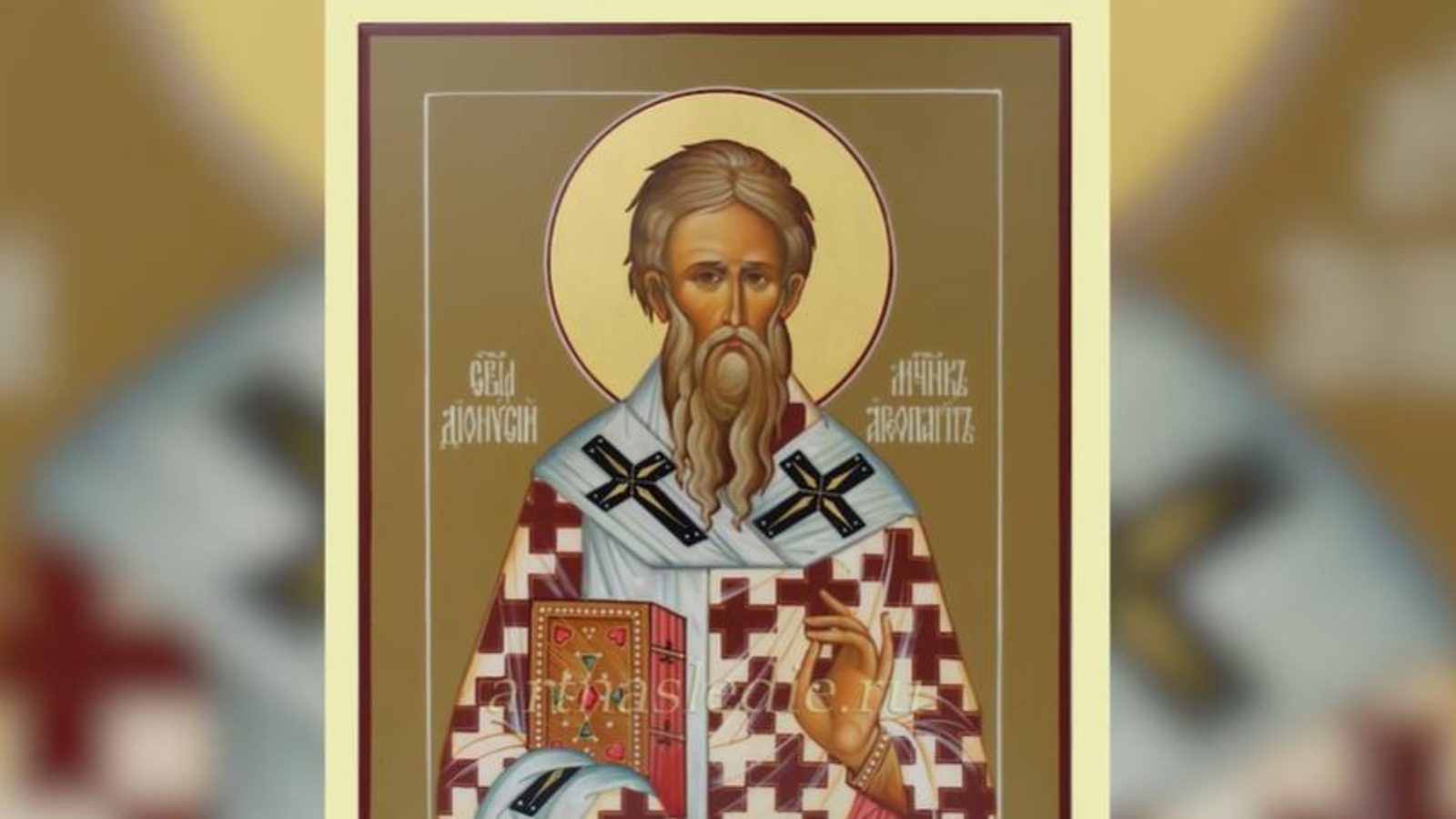
Forty Martyrs of Bitola, Euthymius the New and Lucian remembered today
Church and folk tradition mark the memory of the Forty of Bitola, Euthymius the New and Lucian with readings, troparia and a prayer for health.
Orthodox Christians today commemorate three groups of historic saints: the Forty Venerable-Martyrs of Bitola, Euthymius the New, and Lucian, presbyter of Antioch. The day in popular practice is used for reflection on faith, acts of charity and a simple prayer for health and the protection of the home.
Forty martyrs of Bitola — arrest, conversion and martyrdom
The account of the Forty Venerable-Martyrs of Bitola recalls events from the Ottoman conquest of Bitola. After a four-month siege, surviving monks from several local monasteries sheltered at the Monastery of St. George the Victorious. They were discovered by Ottoman forces, subjected to severe torture and urged to renounce Christ.
According to the traditional narrative, a Turkish translator named Hasan was so struck by the monks' humility and endurance that he cried out, "Great is the God of the Christians, and I am Christ's!" He was beaten and thrown into the dungeon with the monks. On March 9, 1385, all forty were executed on Bayr Hill and are venerated as martyrs.
The liturgical troparion for the commemoration sings their praise: "To Bitola the fragrant flowers and fellow‑partakers of Christ's martyrs we honor from the soul, the forty; for they, proclaiming the Orthodox faith, reproved the darkness‑like error of the heathen; and for the severed divine heads, from the splendour of paradise they now taste."
Euthymius the New was born in Ancyra in 824 to Epiphanius and Ana. After military service, marriage and the birth of a daughter named Anastasia, he embraced the monastic ascetic life in the Olympic monasteries and on Mount Athos, and later lived as a stylite near Thessaloniki, where he founded one male and one female monastery. His miracle‑working relics now rest in Thessaloniki.
Lucian of Samosata received a broad secular and theological education, gave his goods to the poor, and corrected corruptions in Scripture using the Hebrew text. During the persecutions under Emperor Maximian he was betrayed by an envious heretical priest, Pancratius. While being led toward Nicomedia he converted forty soldiers to Christianity; they too died as martyrs. St. John Chrysostom wrote of him: "He despised hunger; let us despise luxury and destroy the power of the belly…" He received Communion in prison on Theophany and died the next day in 311.
In folk practice this day is not marked in red in the church calendar, yet believers often observe it with fasting, inward examination of conscience and acts of kindness. The day recalls the call to charity expressed by Patriarch Pavle: "Be people!" — live humbly, help those in need and perform good deeds. It is also customary to say aloud a short prayer asking for the health of household members, the protection of the home and the salvation of the soul.
Photo: Ilustracija (AI)