Tens of thousands of North Korean workers in Russia — pay largely diverted to Pyongyang
Rights groups say many North Koreans employed in Russia earn large sums on paper but receive only small monthly amounts after deductions.
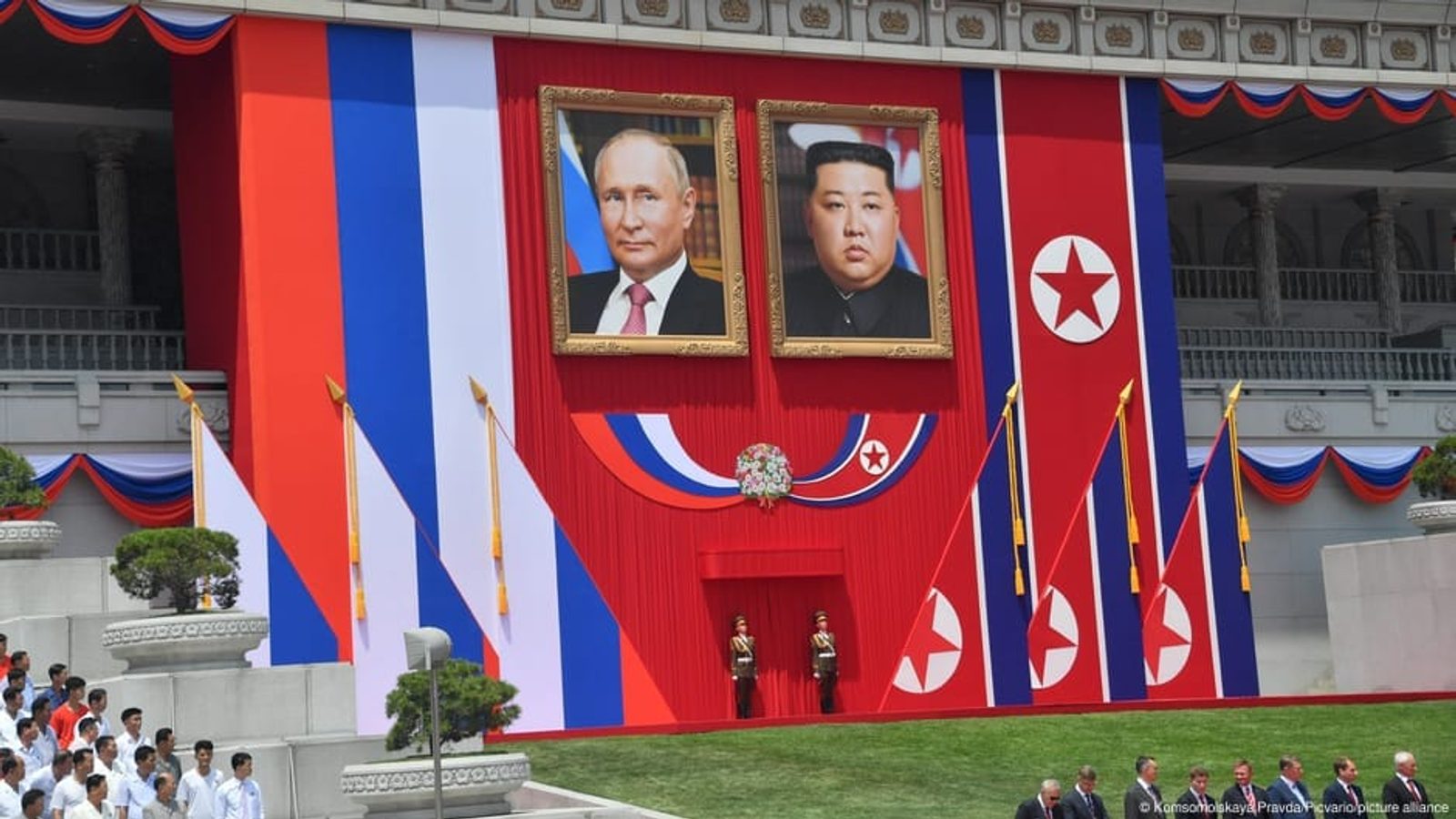
Tens of thousands of North Korean citizens are working across Russia under tight supervision, but most of the money they earn is diverted away from them and ends up with the Pyongyang regime, according to human-rights investigators.
Researchers and defectors who have spoken with those workers say Moscow hosts roughly 50,000 North Korean labourers now, and that number could expand sharply. "That number is growing fast. Flights to Russian cities are full of North Koreans," says Andrey Lankov, a Korea expert who lectures at Kookmin University in Seoul, warning that the flow could eventually reach as many as 150,000 workers.
How wages are collected and where the money goes
On paper, earnings in Russia look generous compared with wages inside North Korea: "The average annual pay of North Korean workers in Russia amounts to about 7,000 euros," says Yeji Kim of the organisation Global Rights Compliance. But the headline figures mask heavy deductions. Accommodation, food and fees for recruiters are subtracted; new arrivals often must also repay travel debts and commissions for Russian intermediaries.
After all deductions, testimonies collected anonymously by the same rights group say some workers are left with barely ten euros a month. Many accept the overseas placement believing they will save money for their families, but most say they were not told the real conditions beforehand.
Supervision is strict: each group of workers is watched by an overseer chosen by Pyongyang, passports are kept, and families back home are used as leverage to ensure obedience. "North Korea also counts on family members who remain in the country," the rights expert says, noting that relatives can be pressed to keep workers in line.
Experts describe these arrangements as a form of state-organised forced labour that violates International Labour Organization standards and echoes findings by U.N. investigators. For Russia, the arrangement provides disciplined labour for factories, construction sites and restaurants; for North Korea it delivers foreign currency and, according to analysts, access to military-related goods and high-end items for the leadership.
Photo: press material from the event