Europe faces late‑September heatwave with temperatures up to 40°C
Severe Weather Europe warns a "heat dome" will keep unusually high temperatures across Europe into early October.
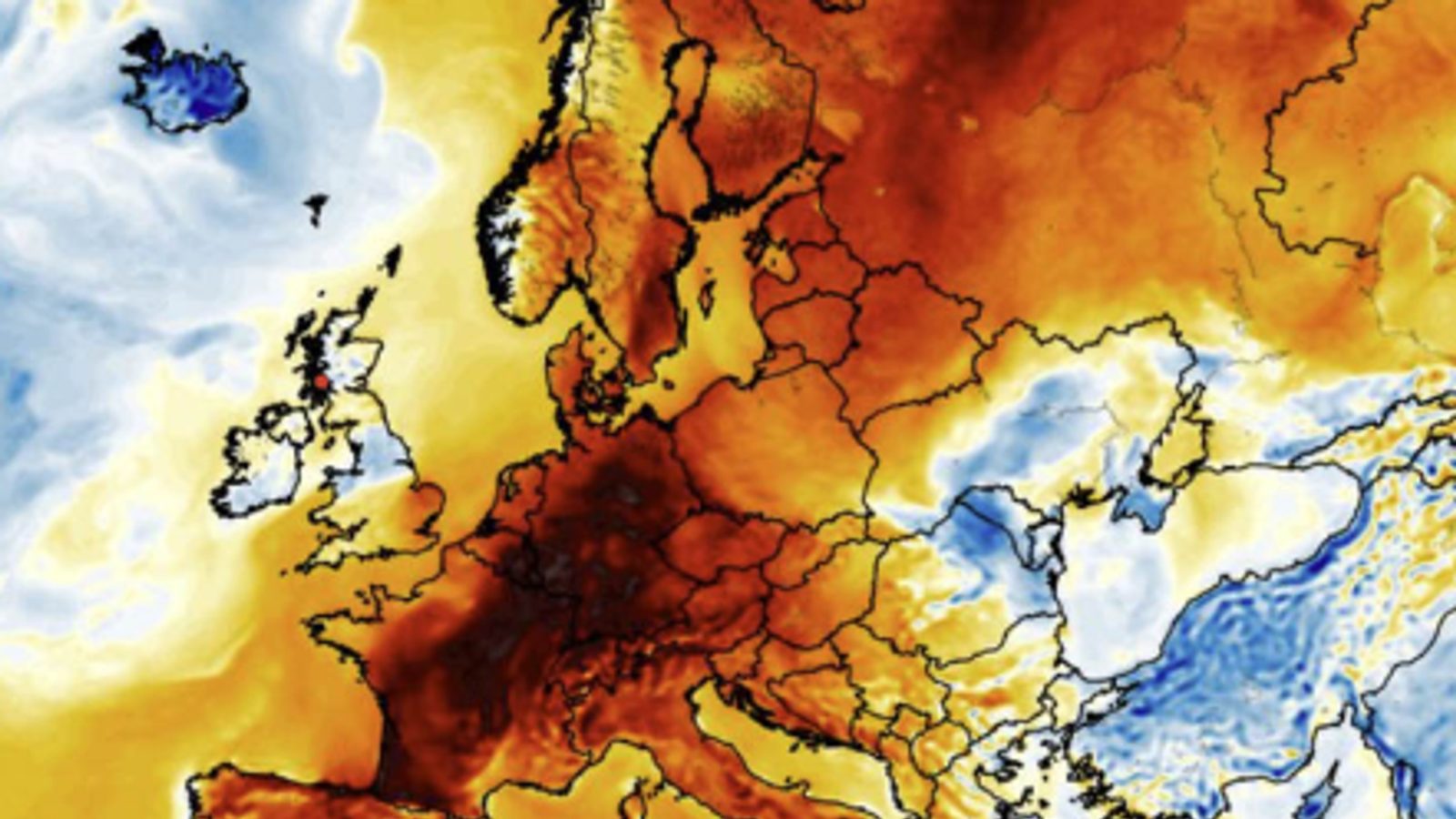
Severe Weather Europe warns that a strong heatwave will sweep across large parts of Europe at the end of September and persist into the first days of October, bringing temperatures well above seasonal averages.
How the pattern develops
Meteorologists say the main driver is a trough of low pressure over the North Atlantic that pushes warm, nearly tropical air from North Africa deep into the continent. At the same time, a strong high-pressure ridge acts as a block, preventing Atlantic cool fronts from advancing and keeping dry, warm air in place.
The most extreme values are forecast for the Iberian Peninsula, where central and southern areas of Spain and Portugal could see readings from 35 up to 40 °C. The heat will spread beyond Iberia:
France: southern and central regions may reach 35 °C, while northern areas and the Benelux are expected to see temperatures around 30 °C.
Germany, Poland and the Baltic states: from Sunday Germany is forecast to measure between 27 and 29 °C, after which the heat will expand toward Poland and the Baltics.
United Kingdom: southern England could reach up to 28 °C, while Ireland and Scotland remain cooler (around 15–16 °C) with heavy rain in the west.
Italy and the Balkan Peninsula are also entering a phase of unusually warm conditions. Temperatures in northern Italy, Tuscany, across the Balkans and in Greece are expected to climb to about 30 °C, approaching historical records for this time of year.
Forecasts indicate this pattern may continue into early October, with the warm air mass moving farther north and east and even affecting Scandinavia — Sweden and Finland are expected to record some of the largest departures from their long-term averages.
Health authorities and meteorologists warn that such extreme heat can adversely affect health, especially among vulnerable groups: the elderly, children and the chronically ill. There is also increased risk for outdoor workers in construction and agriculture, and for socially vulnerable households whose buildings retain additional heat.
Photo: