Deutsche Bank retained wealthy Russian clients for years despite internal warnings
Internal files show the bank prioritised profitable Russian clients despite repeated warnings about sanctions, money‑laundering and reputational danger.
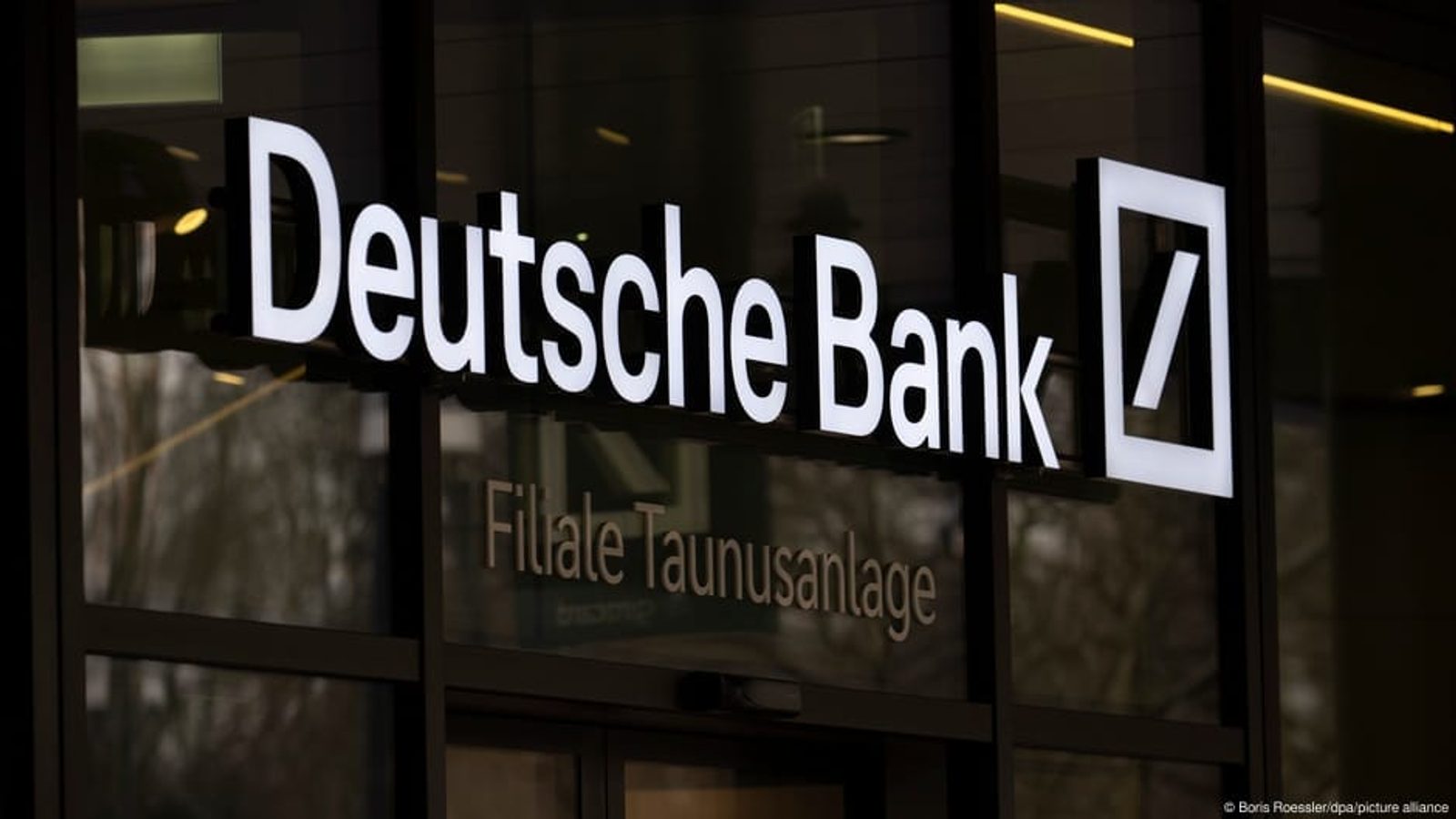
Deutsche Bank kept and profited from wealthy Russian clients for years despite repeated internal warnings that the relationships carried reputational, legal and sanctions risks, according to a trove of internal records. The firm’s longstanding ties to Russian billionaires only came under decisive review after Moscow’s full-scale invasion of Ukraine in February 2022.
Internal alarms, commercial pressure
More than 15 million internal documents, including confidential reports, emails and meeting minutes, show that risk teams repeatedly flagged the dangers of the bank’s exposure to Russia. An anti–financial‑crime expert wrote in an internal email: "As you know, we have a large number of Russian oligarchs among our clients." The same message asked which clients the bank could drop and whether they should be advised to withdraw funds "while they still can."
The files name prominent clients, including Oleg Deripaska and Viktor Vekselberg, and describe how commercial teams often resisted cuts to business. One internal note portrayed Deripaska as "a reputable businessman and a well‑established business partner," highlighting his potential for future deals. A 2015 presentation was even more explicit: "Russian billionaires contribute significantly to our success."
The bank’s Russia business existed alongside regulatory controversies. In the so‑called "mirror trading" affair, U.S. and U.K. regulators said that trades routed through Russia were used to launder up to $10 billion; the bank reached multi‑hundred‑million‑dollar settlements in 2017. When the U.S. imposed sanctions in 2018 on seven industrialists close to the Kremlin, five of them or their associates were, at some point, clients of the bank.
Risk warnings reached senior levels. At a 2019 supervisory board risk committee meeting, an adviser warned: "If it emerges that any client is problematic, the loss will be many times greater than the yield." External lawyers engaged in 2020 recommended seriously considering closing all Russia‑related operations, but the links continued and some client accounts were shifted to Luxembourg and Switzerland — moves the bank says were consistent with industry practice and subject to standard checks.
After the February 2022 invasion, the calculus changed quickly. Within days dozens of sanction packages altered legal exposure and placed heavy operational demands on the bank. One banking official described the situation as "unprecedentedly complex" and nearly "unmanageable." The U.S. Department of Justice sought information under an earlier agreement about sanctioned Russian clients, account balances and monitoring measures. On 10 March 2022 Deutsche Bank chief Christian Sewing told staff that a full withdrawal from Russia would be at odds with the bank’s values because some clients could not leave overnight. Major U.S. banks announced their departures that same day; the following day Deutsche Bank said it would wind down its on‑the‑ground activities and declared: "There will be no new business in Russia."
The records show a long tension between profit and prudence: repeated internal alerts about reputational, sanctions and money‑laundering risk were often outweighed by the commercial value of wealthy Russian clients — until the war made continued business untenable, and legal and political pressures forced a rapid policy reversal. The documents were obtained and analysed by an international reporting effort that involved more than 200 journalists and named reporters Josie Joseph and Kadija Sharif.
Photo: press material from the event