West Nile fever: 65 cases registered in North Macedonia, most from Skopje
Sixty of the 65 cases are confirmed; infections are concentrated in Skopje, especially Kisela Voda and Gazi Baba.
As of September 15, 2026, North Macedonia has recorded 65 cases of West Nile fever, the Institute for Public Health (IPH) reports. Of those, 60 are classified as confirmed and five as probable.
The vast majority of patients live in Skopje: 60 cases were registered there, two in Veles and one each in Kumanovo, Sveti Nikole and Kavadarci.
Health authorities say 64 of the cases are autochthonous and one patient has a recent travel history to Greece; however, the incubation period also covered time spent in North Macedonia.
According to the report, "Of the registered cases, 51 or 78.5% are male, and 14 or 21.5% are female."
Most severe cases involve the nervous system: 63 patients developed neuroinvasive disease and all were hospitalized — 61 at the University Clinic for Infectious Diseases and Febrile Conditions and one each at Acibadem Sistina and Clinic Zan Mitrev. So far eight patients with neuroinvasive disease have died.
Recent trend and recommended measures
Data point to a rise in reported infections during July and August 2026, with a clear geographic concentration in the Skopje area. The highest numbers were recorded in the municipality of Kisela Voda, especially around the Dračevo neighbourhood, and in the Gazi Baba municipality.
The IPH stresses that "Epidemiological surveillance of the disease, systematic and early implementation of mosquito control programs and personal protection measures against mosquito bites are considered the most appropriate measures to control West Nile fever. Because the circulation of the virus and its geographic distribution cannot be predicted, personal protection measures against mosquitoes are encouraged during the period of mosquito activity."
Commenting on school-aged children, Klekovski said: "Students are not a risk group for West Nile fever, no special measures were necessary."
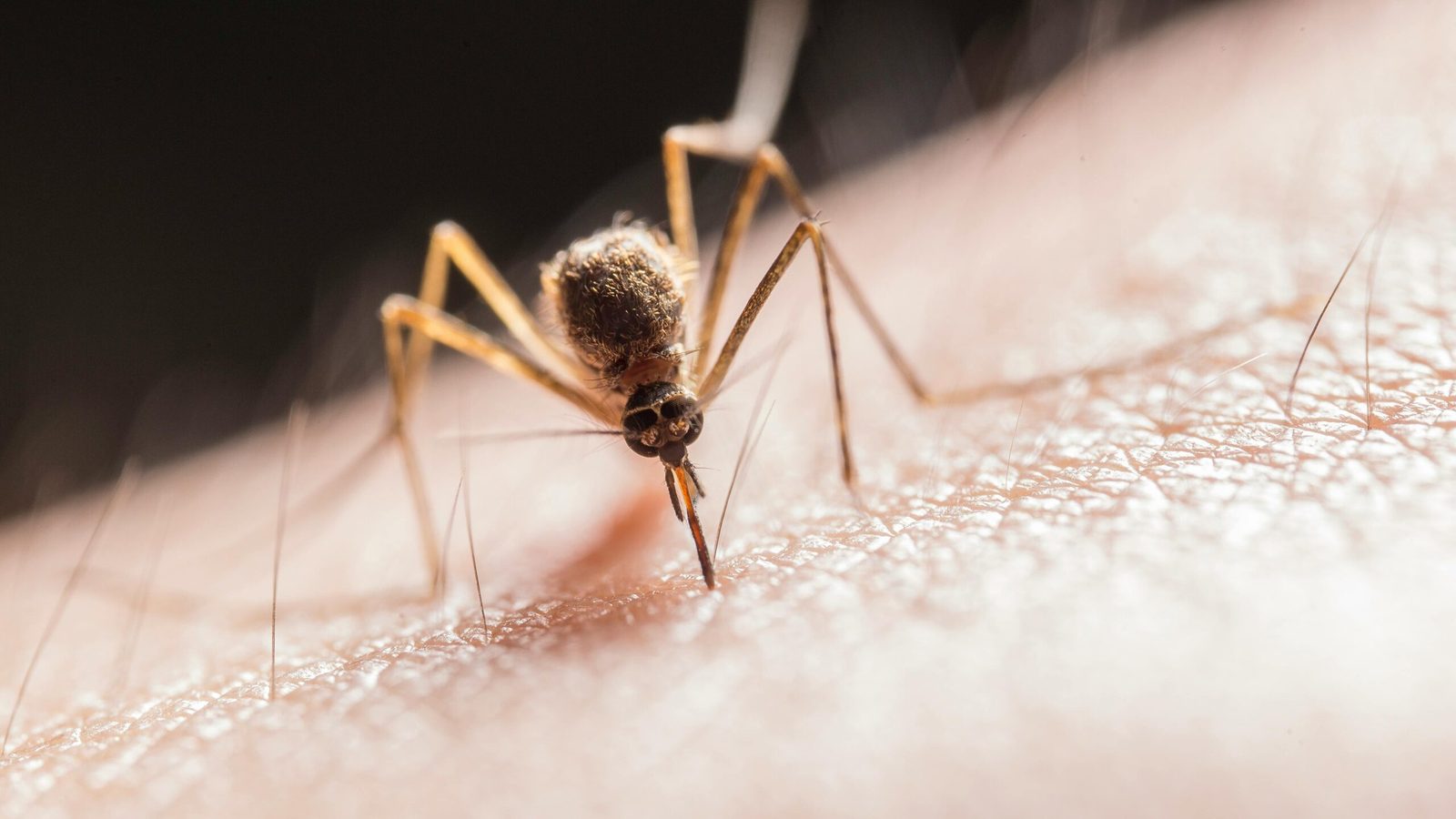
Photo: Pexels