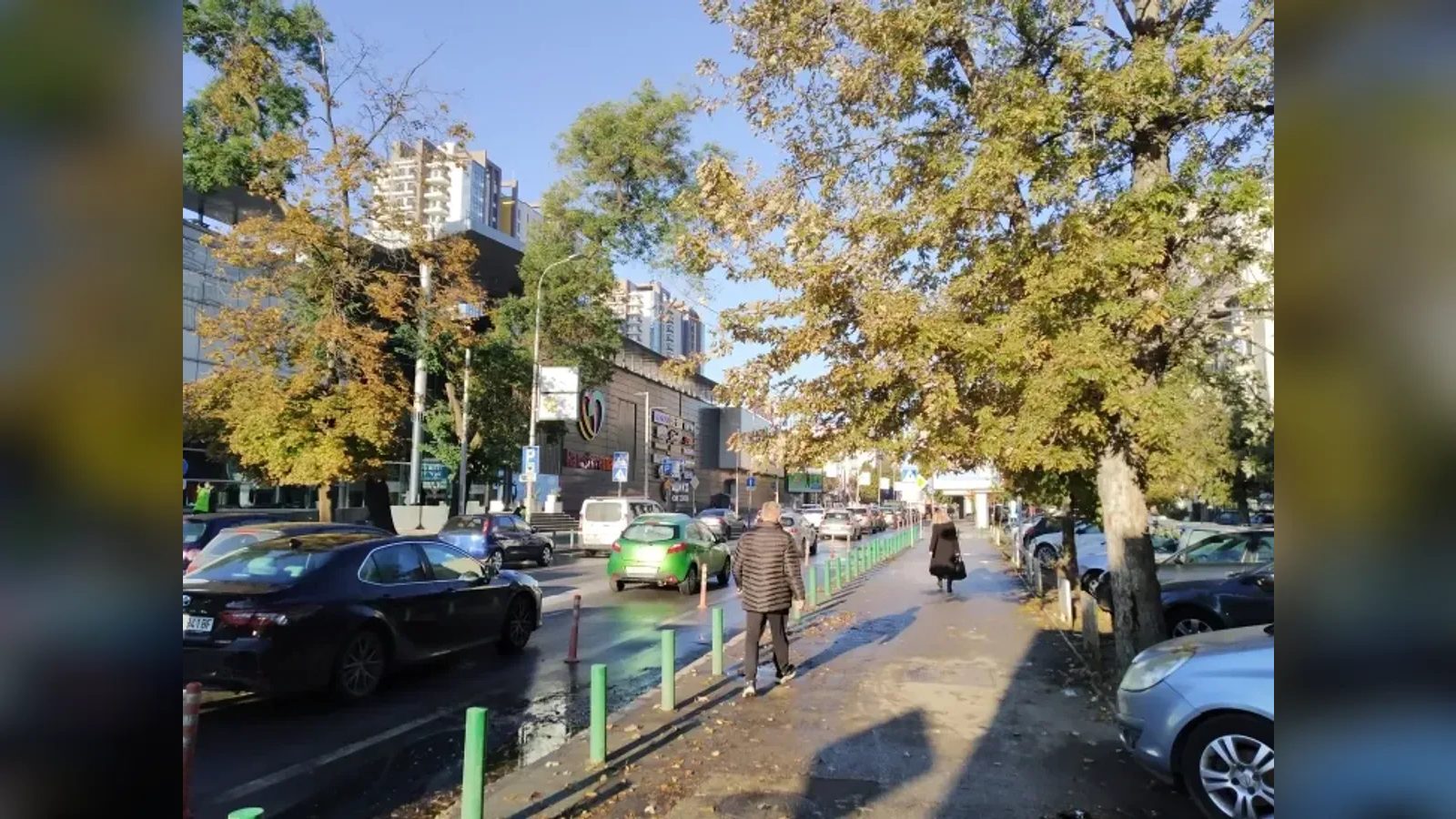
Tree lines as climate infrastructure: which species to plant in North Macedonian cities
Experts urge professional planting plans and long-term maintenance, citing species that tolerate heat, drought and urban pollution.
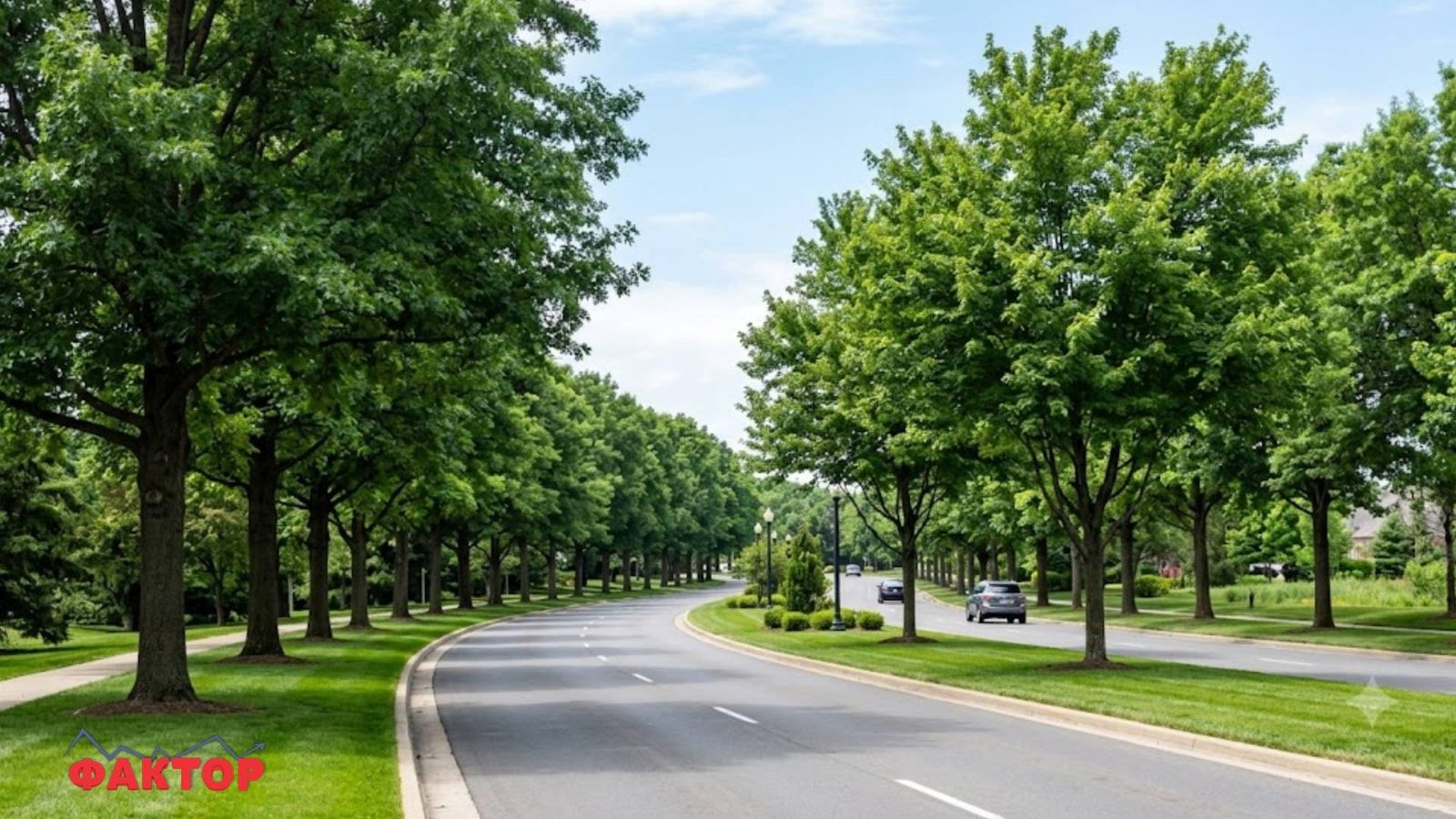
Municipalities across North Macedonia should treat tree-lined streets and parks as essential infrastructure to increase cities' resilience to heat and extreme weather, says the Center for Climate Change. Experts list several species suitable for planting here — but stress that each location requires a professional assessment rather than one-size-fits-all solutions.
Which trees work where
The Center recommends species that tolerate heat, drought and urban pollution and that produce a broad, dense canopy. Among the trees they mention as appropriate for local conditions are southern catalpa, silver linden, field maple, oriental plane, black ash and certain oak species. Those choices, the Center stresses, must be confirmed by site-specific analysis so the trees can deliver shade and cooling where they are most needed.
"Urban greenery, and especially tree lines, represents one of the most important measures for adapting cities to climate change. In conditions of increasingly frequent and intense heat waves, green spaces should not be seen as decorative elements, but as infrastructure that contributes to protecting public health, improving quality of life and increasing urban resilience. Trees lower temperatures through the shade they create and through the process of evapotranspiration, thereby mitigating the urban heat island effect. At the same time, they improve air quality, retain some pollutants and stormwater, reduce noise and create more pleasant conditions for walking, cycling and staying outdoors. Equally important is the choice of tree species. It is necessary to select species adapted to local climatic and soil conditions, resistant to high temperatures, drought and pollution and that develop a wide and dense crown," the Center for Climate Change says.
The organisation also warns that reliable, up-to-date data on canopy cover and the condition of urban greenery are lacking nationwide. Green space is unevenly distributed: older neighbourhoods and parks often have mature trees and good shade, while many new developments, squares, parking areas and pedestrian routes remain almost entirely exposed to sun.
As domestic examples the Center points to the City Park in Skopje, the green corridors along the Vardar river and tree-lined sections of the Karpoš and Centar municipalities. They also welcome municipal strategies and green cadastres that several local authorities have prepared — but note that success depends on consistent implementation and ongoing maintenance.
International models such as Vienna and Medellín stand out for systematic investment in urban greenery, the Center adds. "Vienna has developed lists of climate-resistant species, modern irrigation systems and measures to secure adequate root space. Medellín’s green corridors help lower local temperatures and improve the microclimate. Our position is that cities in North Macedonia need not only occasional planting drives but a long-term, expert policy for planning, protecting and maintaining urban greenery. It is especially important to preserve existing mature trees, because their ecological and climate value cannot be quickly replaced by newly planted saplings. Urban greenery should be recognised as public infrastructure and as one of the key measures for creating healthier, safer and more climate-resilient cities," the Center for Climate Change says.
The comments come in a month when North Macedonia is facing heat waves with temperatures reaching up to 40 °C. The World Health Organization recommends at least 9 m² of green space per person, while an ideal target would be 50 m² per person.
Photo: press material from the event