Rruga me pemë si infrastrukturë klimatike: cilat specie të mbillen në qytetet e Maqedonisë
Ekspertët kërkojnë plane profesionale mbjelljeje dhe mirëmbajtje afatgjate, duke renditur llojet e përshtatshme për kushtet lokale.
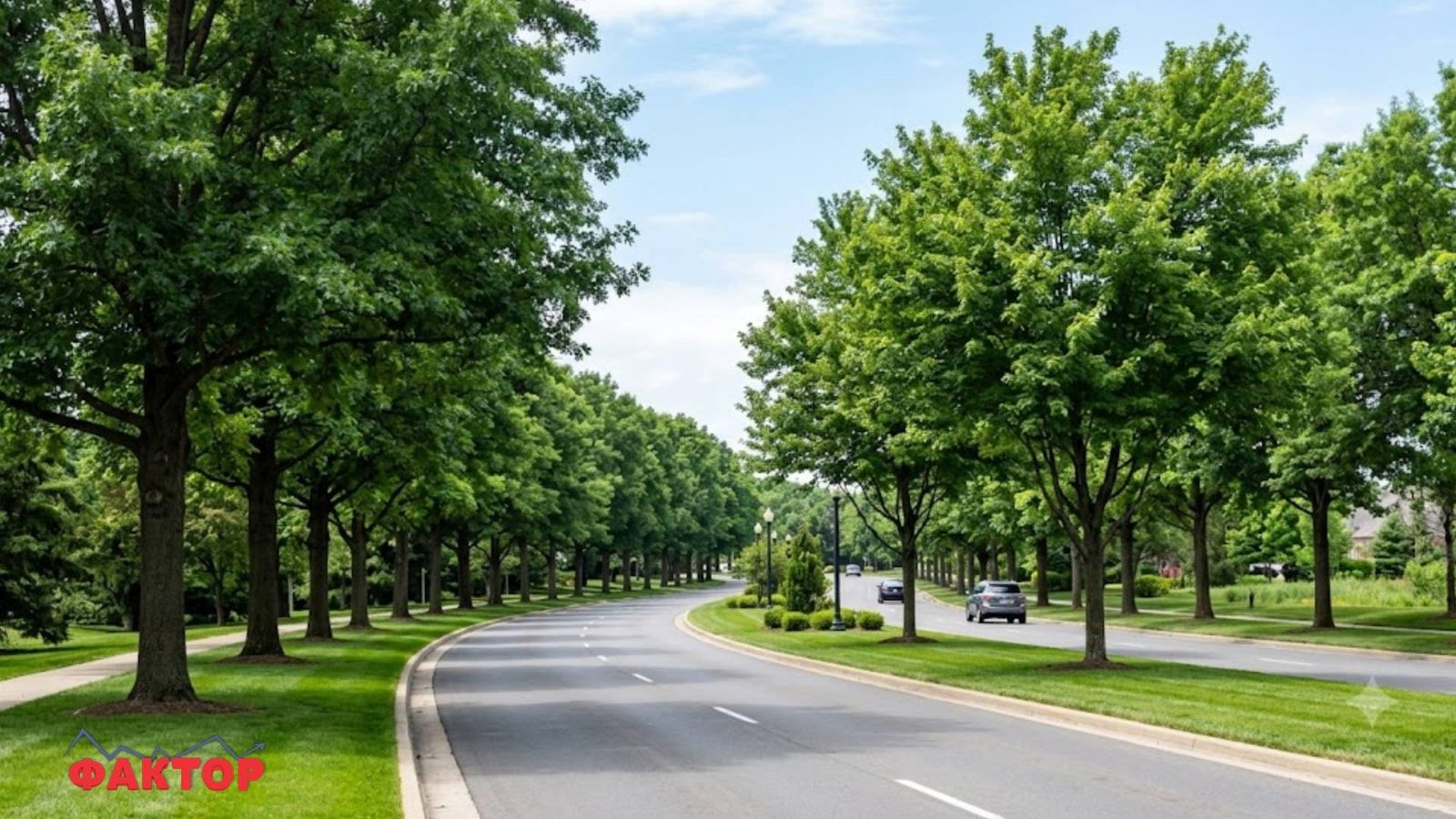
Rrugët me pemë dhe hapësirat e gjelbra urbane duhet të trajtohen si infrastrukturë funksionale në qytetet e Maqedonisë së Veriut, thotë Qendra për Ndryshimet Klimatike, duke nënvizuar se zgjedhja e llojeve bimore duhet të bazohet në vlerësime profesionale për secilën vendndodhje.
Cilat pemë përshtaten
Për kushtet tona, Qendra përmend disa lloje që mund të mendojnë të mbillen në varësi të vendit: southern catalpa, silver linden, field maple, oriental plane, black ash dhe certain oak species. Zgjedhja, theksojnë, duhet të vijë pas analizës vendore në mënyrë që pemët të japin hijen dhe freskinë e pritur.
"Urban greenery, and especially tree lines, represents one of the most important measures for adapting cities to climate change. In conditions of increasingly frequent and intense heat waves, green spaces should not be seen as decorative elements, but as infrastructure that contributes to protecting public health, improving quality of life and increasing urban resilience. Trees lower temperatures through the shade they create and through the process of evapotranspiration, thereby mitigating the urban heat island effect. At the same time, they improve air quality, retain some pollutants and stormwater, reduce noise and create more pleasant conditions for walking, cycling and staying outdoors. Equally important is the choice of tree species. It is necessary to select species adapted to local climatic and soil conditions, resistant to high temperatures, drought and pollution and that develop a wide and dense crown," thotë Qendra për Ndryshimet Klimatike.
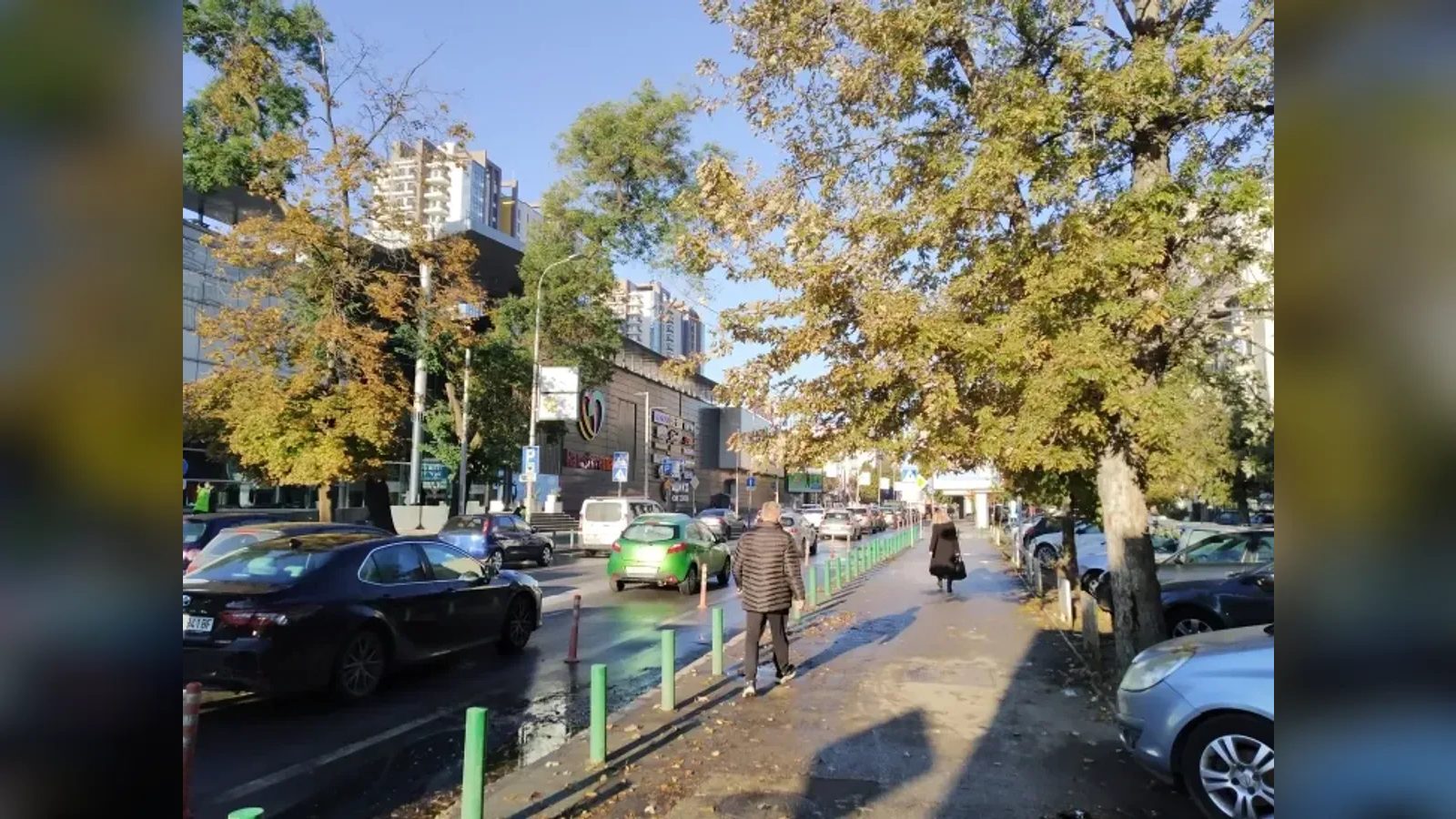
Qendra paralajmëron se në vend mungojnë të dhëna të plota dhe të përditësuara për mbulimin me kurorë pemësh dhe gjendjen e gjelbërimit urban, ndaj nuk mund të përcaktohet saktë nëse qytetet kanë sasi të mjaftueshme rrugësh me pemë. Gjelbërimi shpërndahet në mënyrë të pabarabartë: lagjet e vjetra dhe parket kanë pemë të pjekura dhe hije të mirë, ndërsa shumë zona të reja, sheshe, parkime dhe rrugë për këmbësorë mbeten thuajse tërësisht të ekspozuara ndaj diellit.
Si shembuj pozitivë vendas Qendra përmend Parkun Qytetar të Shkupit, koridoret e gjelbra përgjatë lumit Vardar dhe pjesë të komunave Karpoš dhe Centar me rrugë të zhvilluara me pemë. Ata përshëndesin gjithashtu përgatitjen e strategjive për zhvillimin e gjelbërimit dhe kadastrave të gjelbër në disa komuna, por theksojnë se suksesin do ta përcaktojë zbatimi i qëndrueshëm dhe mirëmbajtja e vazhdueshme.
Modelët ndërkombëtarë si Vjena dhe Medellín duken si shembuj për investime sistematike në gjelbërim urban. "Vienna has developed lists of climate-resistant species, modern irrigation systems and measures to secure adequate root space. Medellín’s green corridors help lower local temperatures and improve the microclimate. Our position is that cities in North Macedonia need not only occasional planting drives but a long-term, expert policy for planning, protecting and maintaining urban greenery. It is especially important to preserve existing mature trees, because their ecological and climate value cannot be quickly replaced by newly planted saplings. Urban greenery should be recognised as public infrastructure and as one of the key measures for creating healthier, safer and more climate-resilient cities," thotë Qendra për Ndryshimet Klimatike.
Këto vërejtje vijnë ndërsa vendi këtë muaj po përballet me valë të nxehtësisë dhe temperatura deri në 40 °C. Organizata Botërore e Shëndetësisë (WHO) rekomandon të paktën 9 m² hapësirë të gjelbër për person, ndërsa objektivi ideal konsiderohet 50 m² për person.
Foto: material shtypi nga ngjarja