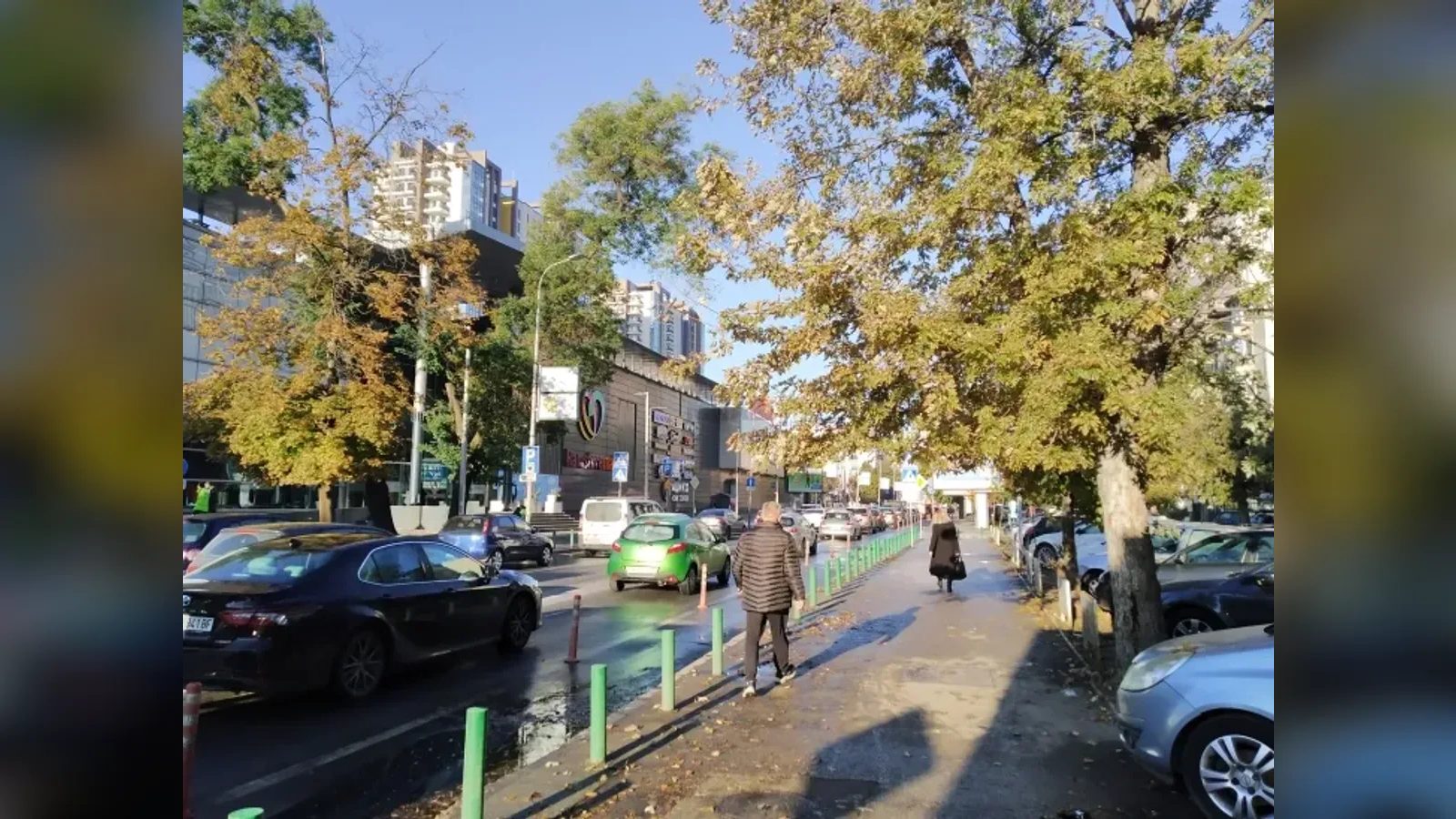
ECMWF: Warm and wetter autumn 2026 for North Macedonia, higher flood risk
ECMWF outlook predicts about +2 °C and above-normal rainfall for the Balkans and North Macedonia, increasing storm and flood risks, meteorologist Slavcho Poposki says.
The European Centre for Medium-Range Weather Forecasts (ECMWF) seasonal outlook points to a markedly warmer autumn 2026 for much of Europe, with temperatures locally 2–3 °C above long-term averages and precipitation above normal — a combination that raises the risk of severe weather and floods, meteorologist Slavcho Poposki warned.
Poposki said the same pattern is expected to affect the Balkans and North Macedonia: autumn temperatures in the region are likely to run about 2 °C above the multi-year mean, while rainfall should exceed seasonal norms, increasing the chance of storms and local flooding.
What is driving the outlook
According to the forecast, the chief driver behind these anomalies is a strong warm climatic phenomenon — El Niño — whose influence on Europe’s weather will persist into the autumn months, amplifying both higher temperatures and above-average precipitation across large areas.
Poposki stressed that seasonal outlooks are inherently subject to change and urged people to follow his shorter-range meteorological updates. He said: "I must point out that because these are seasonal outlooks for autumn 2026, changes and deviations in the forecast are possible. Precisely for this reason, citizens should regularly follow my shorter-term meteorological analyses which have a high probability of being realized, that is, they are more than 90% likely to occur."
The combination of warmer air and wetter conditions will require attention from local authorities and residents, especially in flood-prone valleys and along river corridors. Emergency services and municipal planners are likely to need to monitor forecasts closely as autumn progresses.
Poposki’s outlook was published on September 29, 2026; he emphasized that updates will follow as short-range models refine the picture for individual weeks and regions.
Photo: press material from the event