EU proposes roadmaps for four candidates — Montenegro could finish negotiations in December 2026
The Commission proposes calendars for Montenegro, Albania, Moldova and Ukraine; North Macedonia is not given a timetable.
The European Commission has published four indicative roadmaps setting out possible timetables for accession negotiations with Montenegro, Albania, Moldova and Ukraine, while North Macedonia was not included among the four countries given specific calendars.
Key deadlines and conditions
For Montenegro the Commission proposes that the remaining 14 chapters be closed at two final intergovernmental conferences: five chapters in November and the remaining nine in December 2026, after which the text of an accession treaty would be aligned in spring and the treaty could be signed in June 2027. The Commission says closing the chapters still requires the Council to confirm that Montenegro has met the final benchmarks and agreement on transitional arrangements, a financing package and institutional questions related to accession.
Albania is set out as needing to provisionally close 31 chapters in three stages if it is to meet its government’s target of completing negotiations by the end of 2027. The Commission suggests six priority chapters by the end of 2026 (including intellectual property rights, economic and monetary policy, and foreign and security policy), a further ten in the first half of 2027 (including public procurement, free movement of capital, digital transformation, media and the customs union), and 15 in the second half of 2027 (including agriculture, energy, environment and both rule-of-law chapters).
The roadmap for Moldova foresees the opening of the last two clusters – "Green Agenda and Sustainable Connectivity" and "Resources, Agriculture and Cohesion" – by the end of 2026 and identifies a window in 2027 during which up to 25 chapters could be closed: nine possible closures in the first half of 2027 (such as science and research, education and culture, free movement of capital and the customs union) and 16 in the second half (including competition, taxation, transport, energy and environment). Moldova’s government aims to finish negotiations in early 2028; the Commission calls that timetable ambitious but achievable if reforms continue at the current pace.
For Ukraine the Commission likewise proposes opening the last two clusters by the end of 2026, but expects Kyiv to accelerate reforms to meet transitional benchmarks on the rule of law in the first half of 2027. A special Commission working group has been set up to support this. The roadmap foresees the possible closure of one chapter – "Education and Culture" – in the first half of 2027 and up to six more in the second half (intellectual property, social policy and employment, enterprise and industrial policy, science and research, external relations and foreign, security and defence policy). Ukraine’s government aims to complete negotiations by the end of 2028.
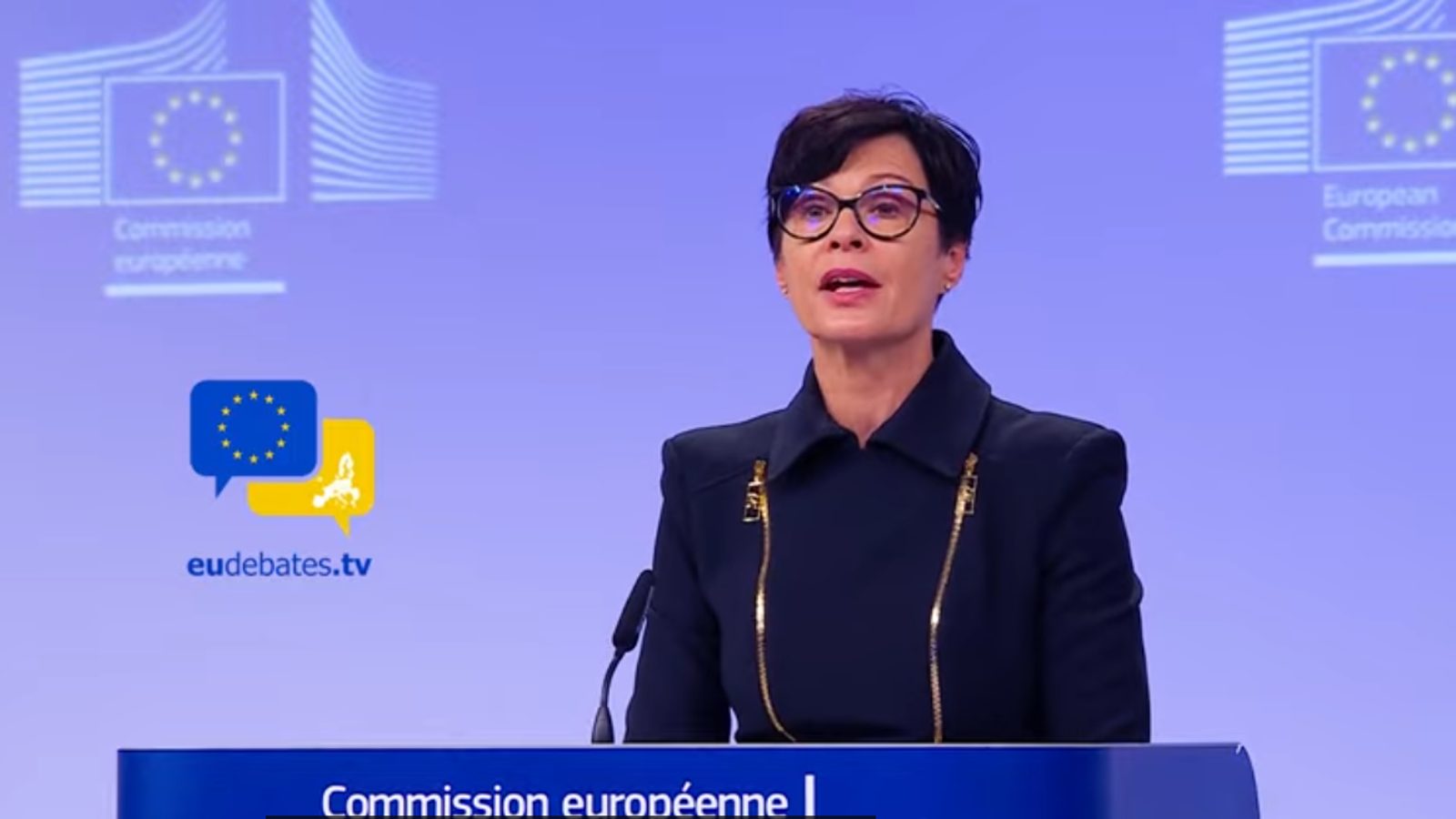
Unlike those four candidates, North Macedonia does not have a proposed calendar for opening clusters or closing chapters in this package. The Commission notes that the constitutional changes required to include in the Constitution citizens who belong to other peoples, including Bulgarians, remain outstanding, while domestic roadmaps on the rule of law, public administration reform, democratic institutions and the minorities action plan continue to be worked on. "Kos: The conditions for North Macedonia are clear, it needs to make the constitutional changes to move towards the EU – everything depends on the country," the Commission’s enlargement commissioner said.
The Commission presents the four roadmaps as annexes to the enlargement package (Annexes I–IV). Timetables are indicative and their delivery will depend on each country’s reform progress and decisions by EU institutions and member states; final decisions on accession texts and ratification remain with the Council, the European Parliament and national ratifying authorities.
Photo: Printskrin