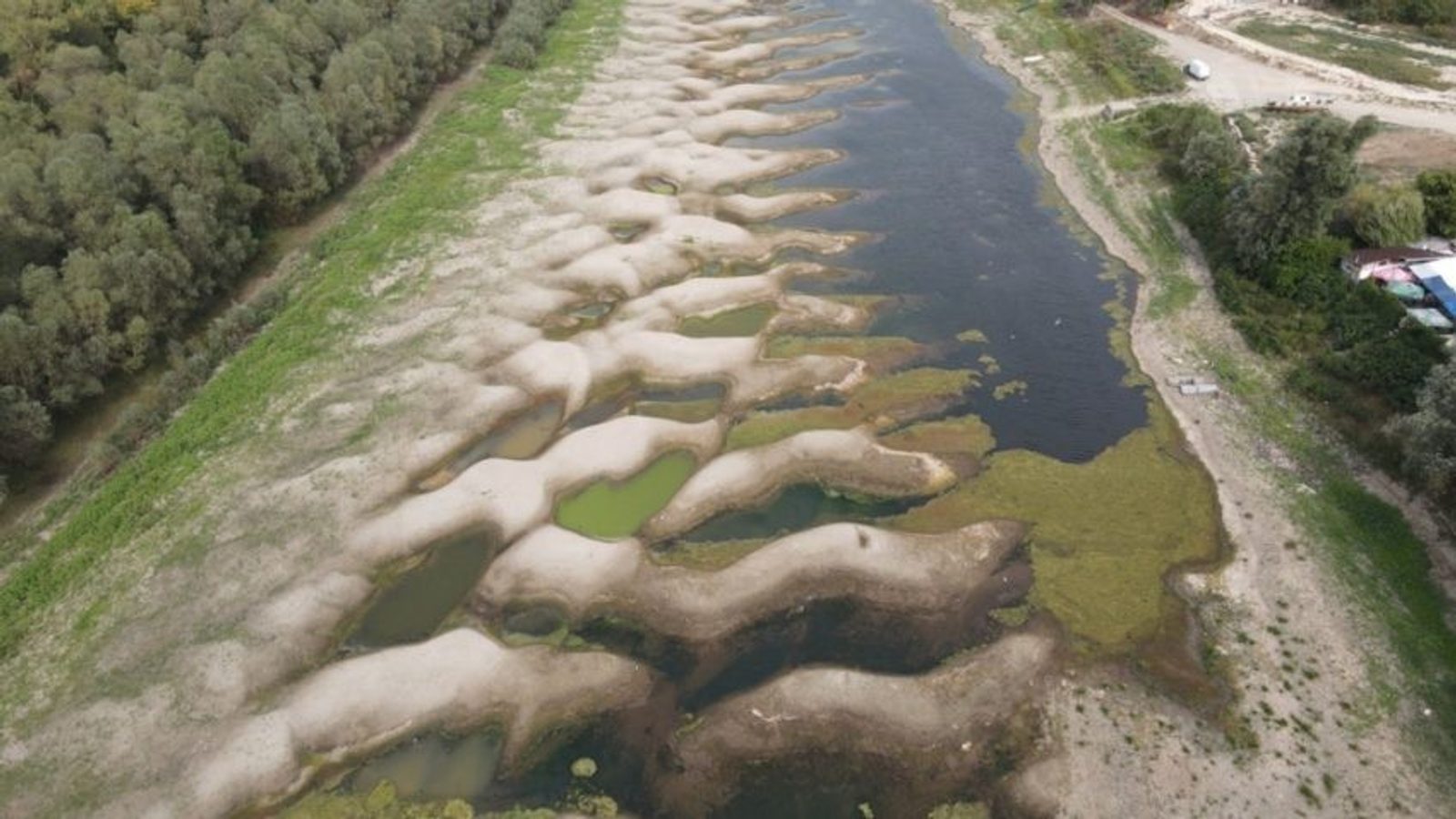
Romanian army blasts Danube rocks to restore cooling water for Cernavodă plant
Romanian army used explosives to try to open a blocked section of the Danube and restore cooling water to the Cernavodă nuclear plant; first detonations failed and stronger charges were scheduled for August 3, 2026.
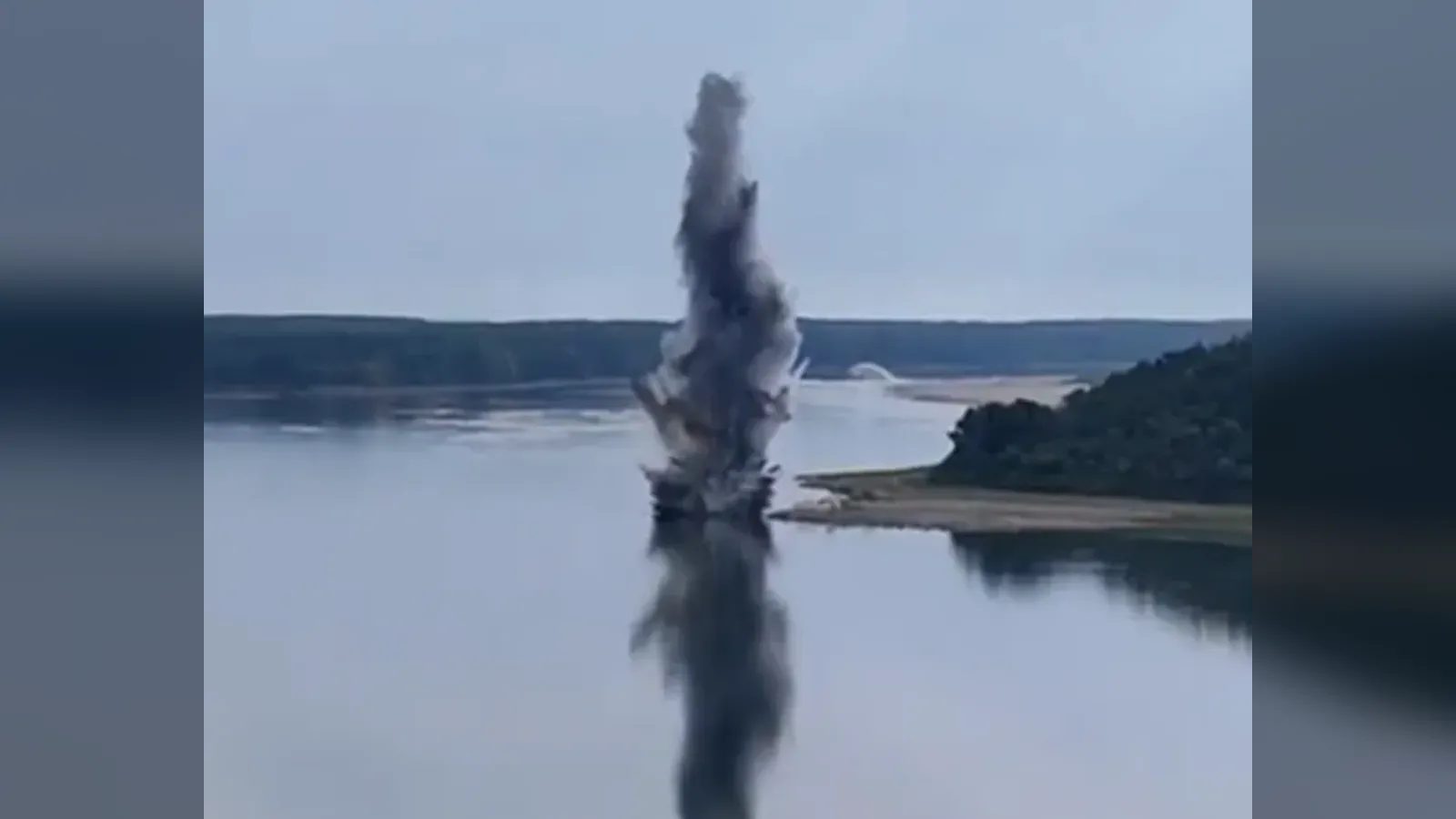
Romanian military engineers carried out controlled explosions on rock formations in the Danube bed to divert part of the river toward the Cernavodă nuclear power plant and secure cooling water for its reactors. The operation was launched after the Danube fell to unusually low levels, and a second, stronger round of detonations was planned for August 3, 2026, after initial charges failed to clear the obstruction.
More than one hundred soldiers are taking part in the effort. Divers are currently inspecting the site after the first two detonations did not remove the obstacle because its density had been underestimated. Authorities said a follow-up attempt with more powerful explosives would be made later the same day.
On August 2, 2026, a trial detonation using two kilograms of explosives was carried out near the Parjoaja rock around noon. Later, at 14:00, a larger charge of 30 kilograms was detonated in the Bala branch at a depth of six metres.
River flow, energy and regional impact
The Danube flow at the river's entry into Romania near Baziaș fell to only 1,590 cubic metres per second, compared with a historical average of 4,700 cubic metres per second. Low water levels have also been recorded at the Iron Gate II hydroelectric plant and in several other backwaters.
Fearing power shortfalls, Romania's Ministry of Energy convened an emergency meeting and urged large industrial consumers to shift production into daytime hours. Officials warned the government may impose mandatory reductions for companies if the power system’s condition deteriorates.
Romania had already been forced to take the first reactor at the Cernavodă nuclear plant offline on July 28, 2026, after drought pushed the Danube to record lows. Across the border, Hungary has also felt the impact: its Paks nuclear plant was shut down because of low Danube levels, and Hungarian leaders warned of the possibility of strain on the energy system in the coming days.
Photo: press material from the event