Energy alarm in Serbia: "Đerdap 1" at 20%, "Đerdap 2" at 30% due to low Danube
The Minister of Mining and Energy warned of record low production and listed the main reasons and measures.
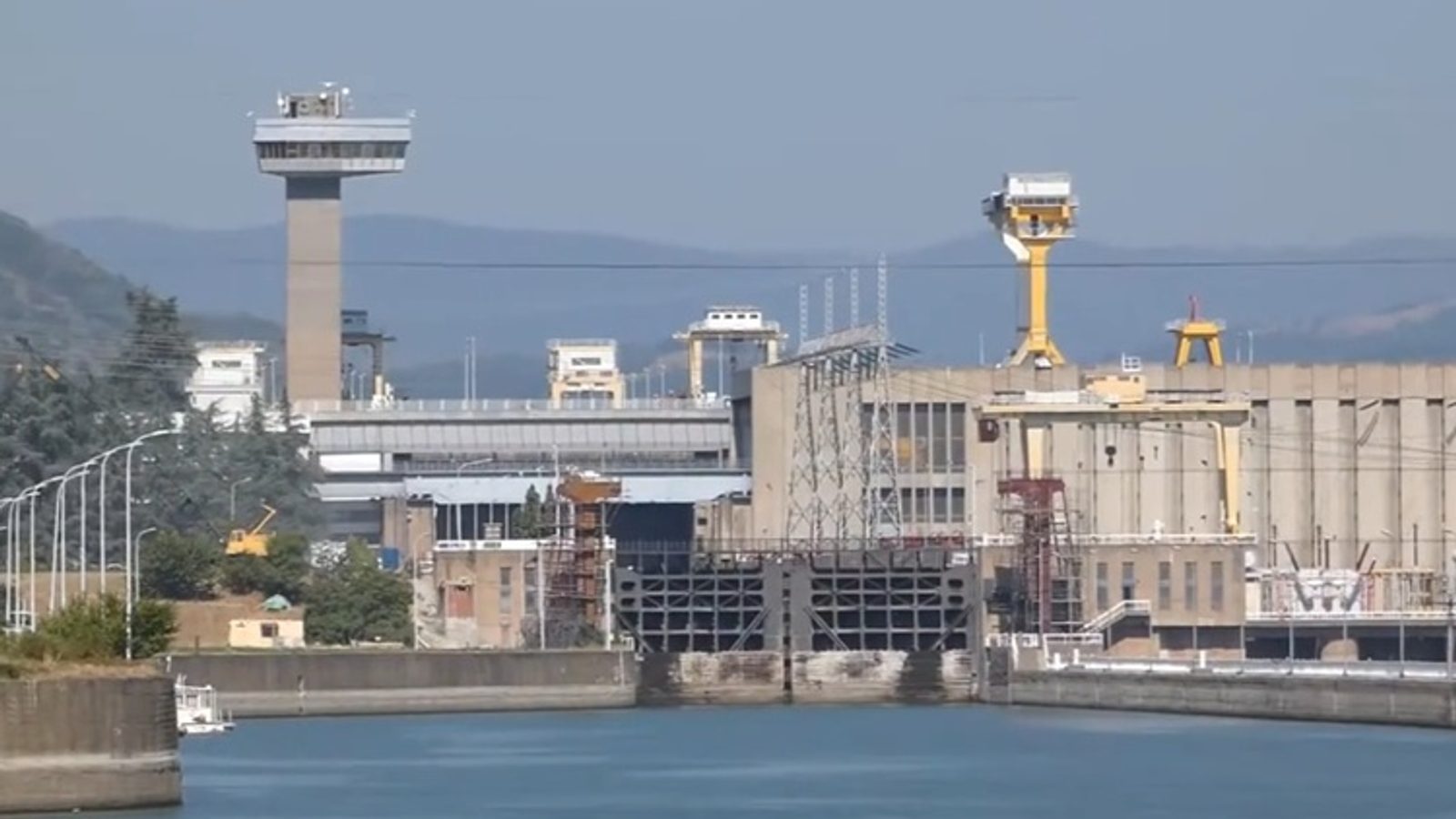
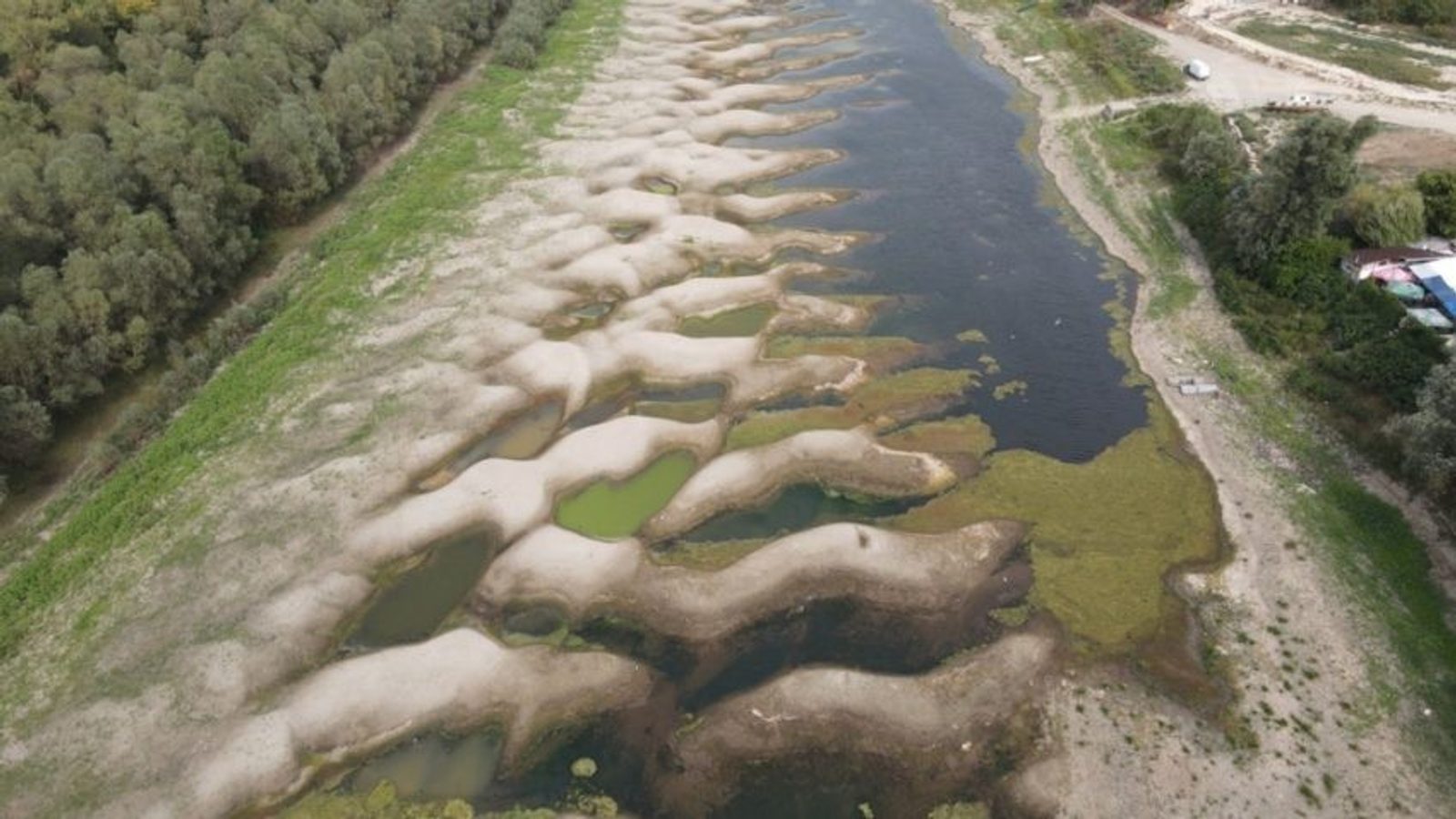
Serbia declared an energy alarm due to the drastically low water level of the Danube, which significantly reduces the capacities of the country’s largest hydroelectric facilities, the Minister of Mining and Energy said.
According to her data, a record low production has been observed over the past three months: "Đerdap 1" is operating at about 20 percent of capacity, while "Đerdap 2" is at about 30 percent.
"The inflows are at their lowest, amounting to 1,500 cubic meters per second. The last time such a situation occurred was in 2003, and before that in 1985," Dubravka Đedović Handanović told RTS.
Consequences and relief measures
The minister called for maximum dedication from employees in the energy sector to overcome the challenges caused by the tropical temperatures. She specifically highlighted the completion of the reconstruction of the reversible hydroelectric power plant Bajina Bašta in the spring as an important element in managing supply: "It is very important that the reconstruction of the reversible hydroelectric power plant Bajina Bašta was completed this spring. It allows water to be pumped during periods when electricity prices are low, i.e., during sunny hours, and the produced energy to be used in the morning and evening, when consumption is highest," Đedović Handanović said.
Reservoirs in Serbia are filled to around 75 percent, and the situation at Kostolac is stable. At TPP Nikola Tesla (TENT) there are no problems with Sava water for cooling, but the lower quality of coal is being compensated by imports of higher-calorific coal.
Due to the heatwave, daily electricity consumption reaches 100 to 105 gigawatt-hours — almost as much as on the coldest winter days. In the oil sector, a one-month extension of NIS's license allows a new procurement of crude oil, but a permanent solution depends on negotiations between the Russian owners and MOL.
Photo: Screenshot / YouTube / private archive