Fighting near Bab el-Mandeb raises global risks; Saudi alerts failed before Riyadh strikes
Clashes between Houthi and pro-government forces threaten shipping and energy flows; Saudi alert system did not warn before attacks that killed 18.
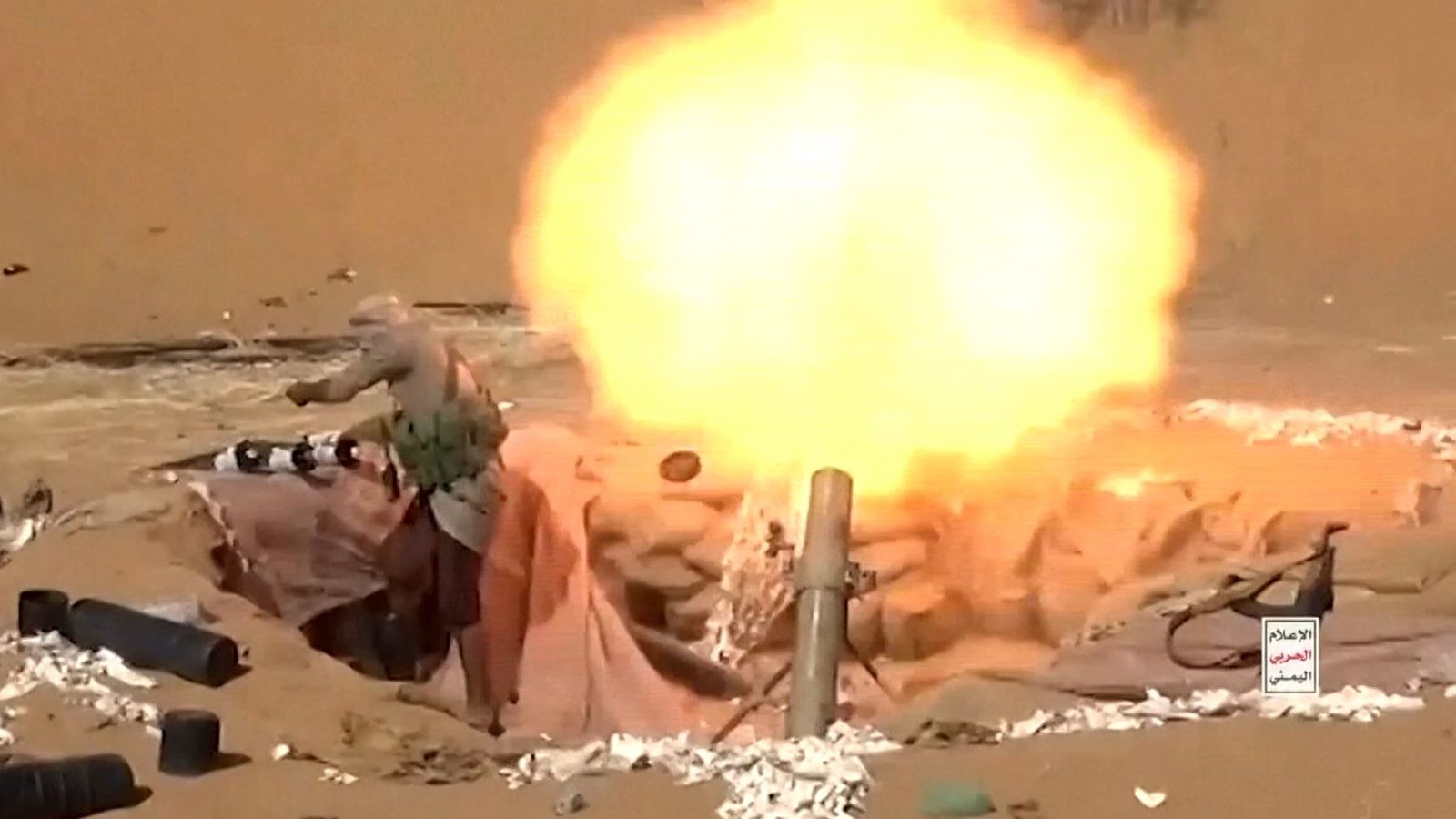
Clashes between Houthi fighters and forces loyal to Yemen's internationally recognised government have intensified in desert areas near the Bab el-Mandeb strait, raising alarms beyond the Middle East over possible disruptions to global shipping and oil flows.
Government commanders say pro-government units have retaken some positions previously held by the Houthis, but fighting continues. Combatants are employing snipers, artillery, unmanned aerial vehicles and ballistic missiles in the engagements.
The Bab el-Mandeb strait links the Red Sea to the Gulf of Aden and is a vital maritime corridor for international trade and crude oil shipments; any interruption there could ripple through global energy markets and push up fuel prices.
Civilians are bearing the heaviest burden. The International Organization for Migration reports that roughly 200,000 people have been displaced since the renewed escalation began in September.
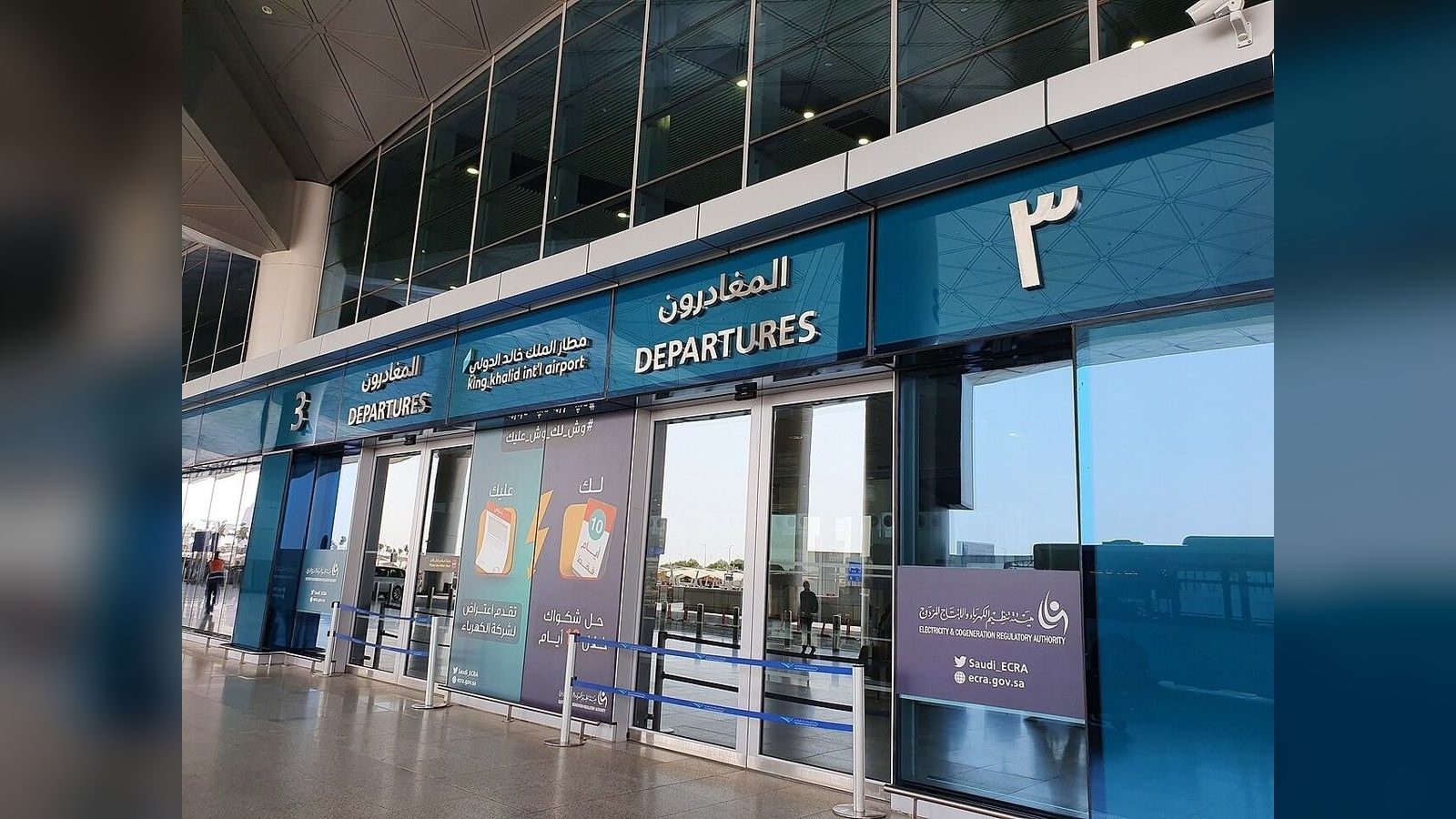
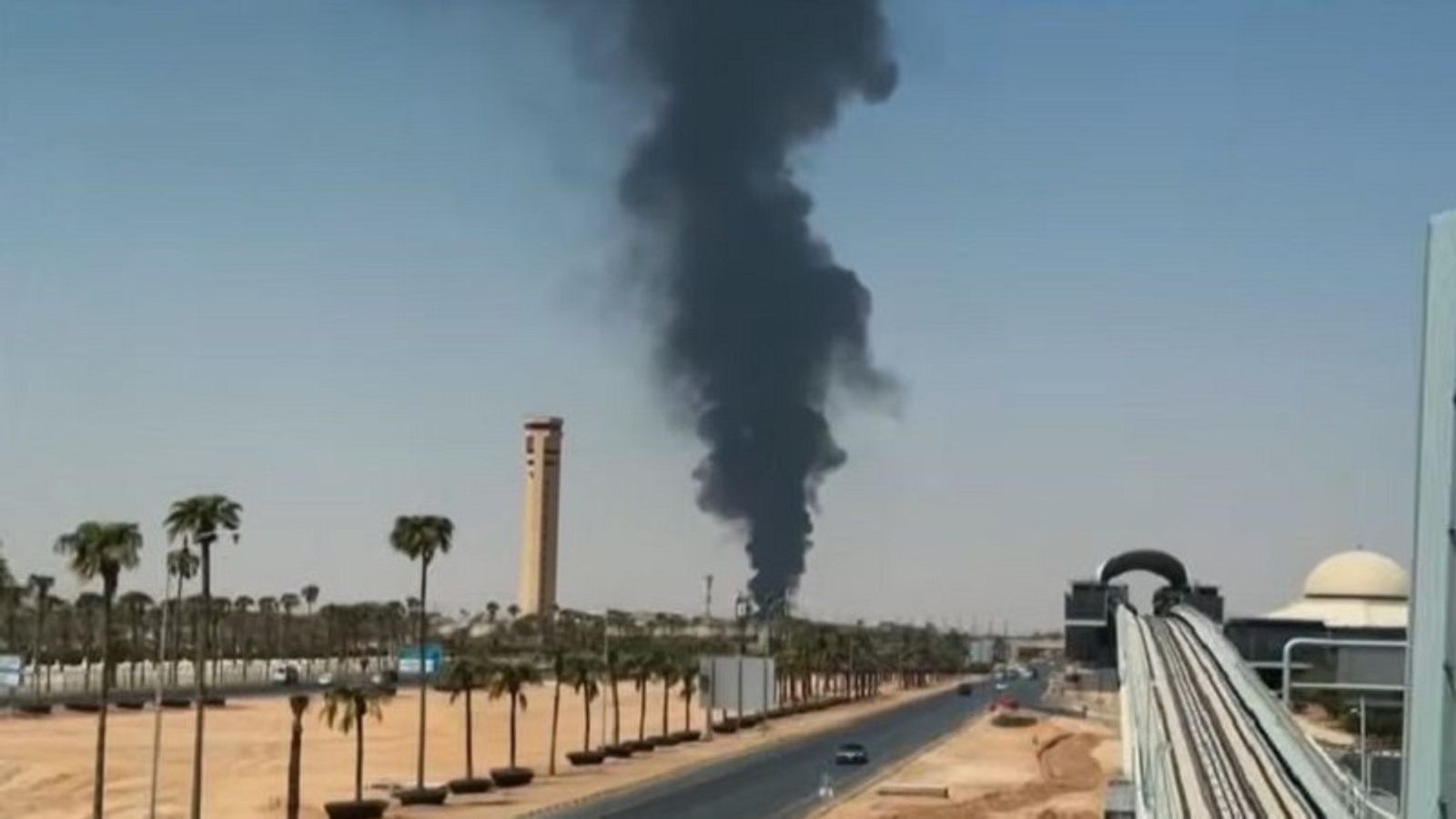
Separately, Saudi Arabia's public alert system did not send warnings in the days before a series of deadly strikes on an airport in Riyadh that left at least 18 people dead and more than 300 wounded. Saudi authorities have not yet explained why the population received no advance alerts, a lapse that has prompted questions about the kingdom's capacity to protect residents and visitors from aerial attacks.
Saudi civil defence later reissued warnings for possible threats to Riyadh and southern regions for the first time since September 29. Analysts warn that efforts to maintain an appearance of normalcy may instead deepen public uncertainty as security pressures from the conflict with the Houthis grow.
Former US president Donald Trump said he spoke with Crown Prince Mohammed bin Salman after the attack on King Khalid International Airport but gave no details of the conversation. When asked whether the Houthi attacks were linked to the US midterm elections, Trump replied: "I don't know how that affects the elections. I don't take that into account. I only know that Iran will never possess nuclear weapons. And that is already a done deal. They will never have nuclear weapons, but the Houthis behave inappropriately, yes."
Houthi forces, who seized the capital Sana'a in 2014, continue to control large swathes of population centres across Yemen as the conflict shows new signs of escalation.
Photo: press material from the event