EU divided over who should represent Europe at Ukraine peace talks
At the Dublin summit on 13.11.2026 Europe's leaders voiced divisions over a single EU representative after US envoys met Putin.
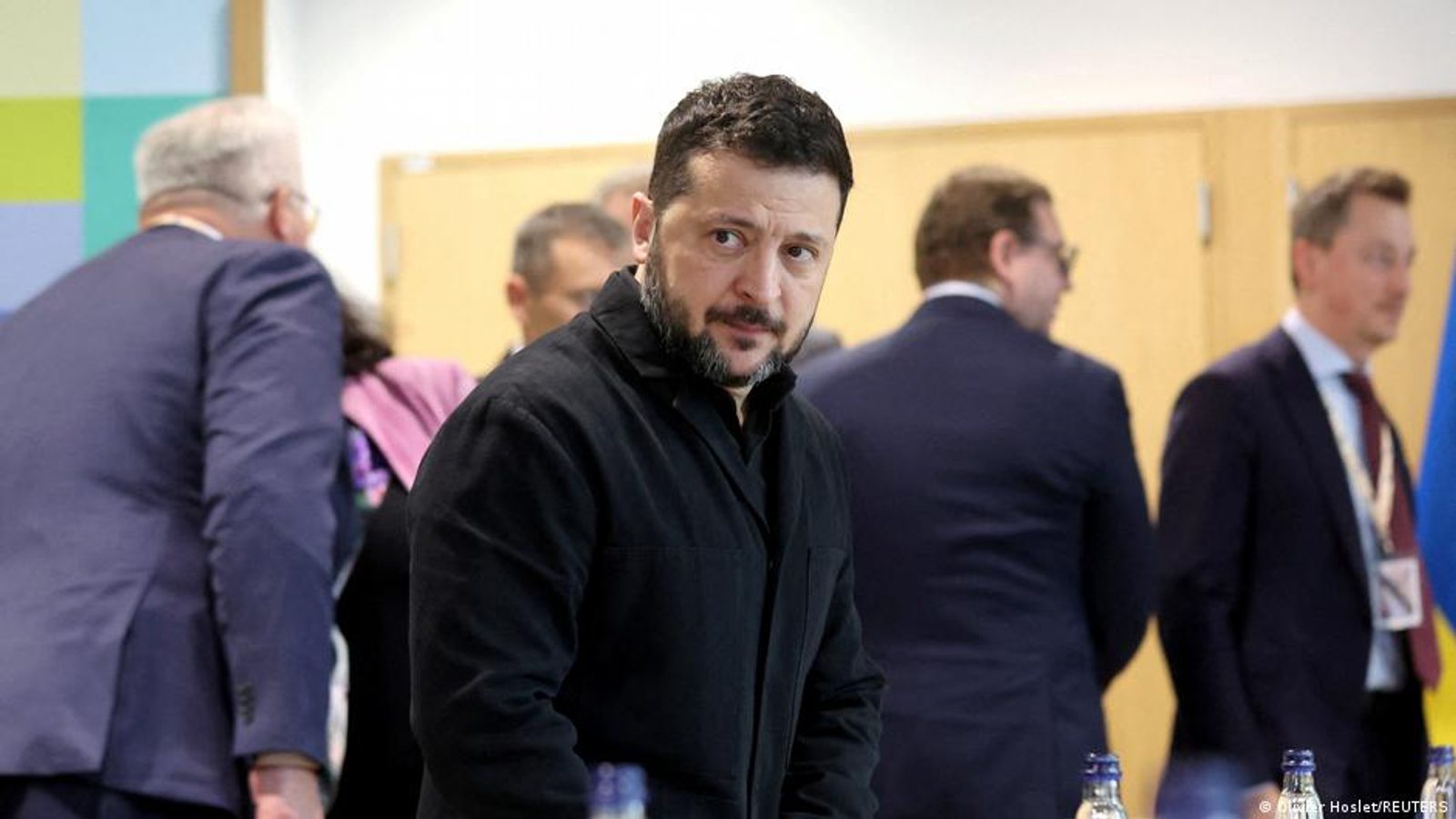
European leaders remain split over who should speak for the continent at any future peace talks between Ukraine and Russia, a division that became visible at the European Political Community summit in Dublin on 13.11.2026.
Pressure to name a single European representative rose after US special envoy Steve Witkoff told journalists that Europeans would take part in the next round of meetings. The Dublin gathering — attended by 47 European leaders — followed a diplomatic tour by two advisers to President Donald Trump: his son-in-law Jared Kushner and Witkoff, who held talks first in Abu Dhabi and then with President Vladimir Putin in Moscow.
Who could speak for Europe?
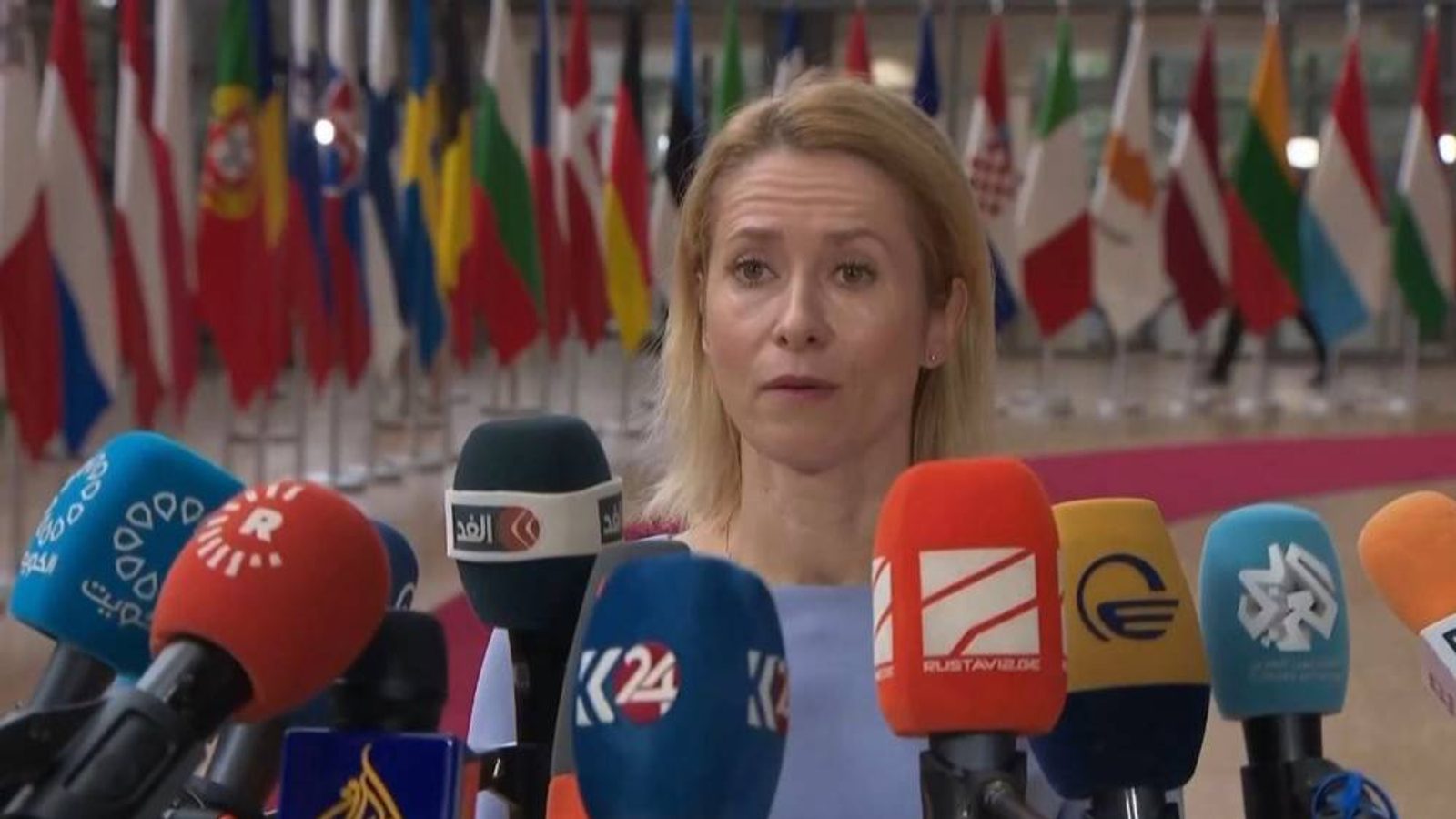
Several names have been floated in Brussels and at the summit. Kaja Kallas is among the figures most frequently mentioned as a possible EU representative; the president of the European Council, Antonio Costa, has also been suggested. But EU capitals have not agreed on a single nominee, and many national leaders say they want to attend talks personally.
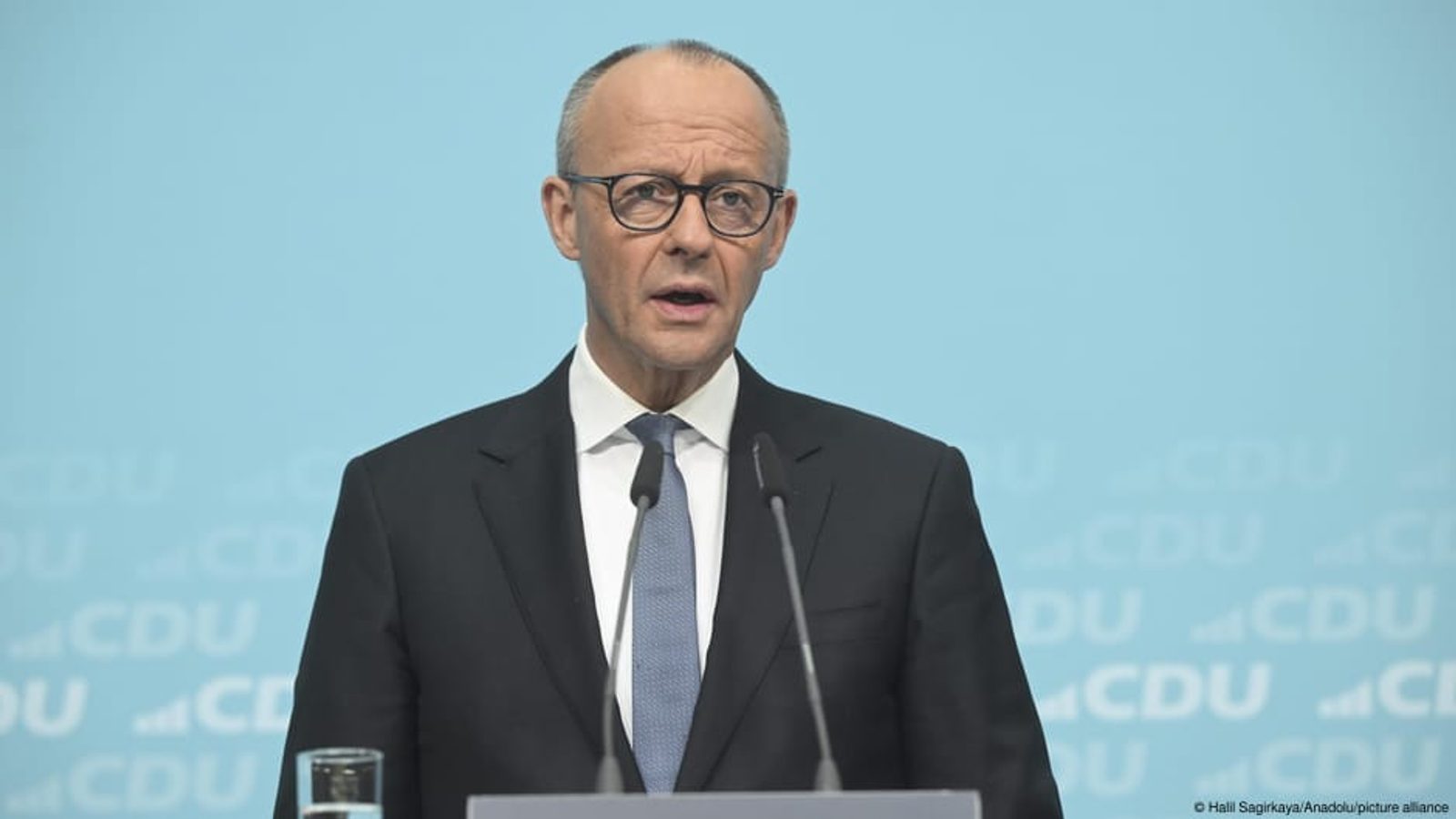
German Chancellor Friedrich Merz insisted Europe must be present. "Ukraine, the Europeans, the Americans and, of course, Russia must sit at the negotiating table," he told reporters in Dublin, while also downplaying the necessity of appointing a dedicated special envoy. At the same summit, Ukrainian President Volodymyr Zelensky told other leaders: "Not yet directly, nor at the moment when the Russians sit at the negotiating table. But Europeans are already involved. And we must ensure Europe becomes a permanent part of these talks."
Public disagreements have spilled into letters and statements. Italian Prime Minister Giorgia Meloni sent a sharp letter to Antonio Costa criticising the lack of unity: "By portraying Europe as disorganised and divided, we only serve the interests of those who want this war to continue." Slovenian Prime Minister Janez Janša said the row had created "bad feelings" among leaders, a view contested by Latvian Prime Minister Andris Kulbergs.
There are deeper anxieties about what concessions might be required to secure a seat at the talks. Leaders voiced concern that Washington could accept Russian demands that affect Europe's security architecture — for example, commitments about NATO enlargement — as part of a wider bargain. As Vladimir Putin reportedly asked during his meeting with Kushner and Witkoff in Moscow: "What are we hearing from them [the Europeans]? That as soon as a peace treaty is signed, they will immediately deploy troops in Ukraine. That is a legitimate objective for us, so the war will immediately continue." US President Donald Trump said he hoped for "a very big, beautiful deal" that "might include the whole of Europe," language that Zelensky described as "a little odd."
Leaders also warned that debate over representation risks distracting from urgent practical questions, above all how to fund Ukraine while the fighting continues. In October the European Commission identified a shortfall of 70 billion euros in previously pledged EU support. Slovak Prime Minister Robert Fico opposes additional financial and military aid for Kyiv, while Chancellor Merz warned he could block the next seven-year EU budget if member states do not agree on contributions for Ukraine.
Photo: press material from the event