EU faces test if US eases sanctions on Russia's 'shadow fleet'
If Washington softens measures, Brussels would rely on insurance, port controls and inspections to restrict shadow tanker operations.
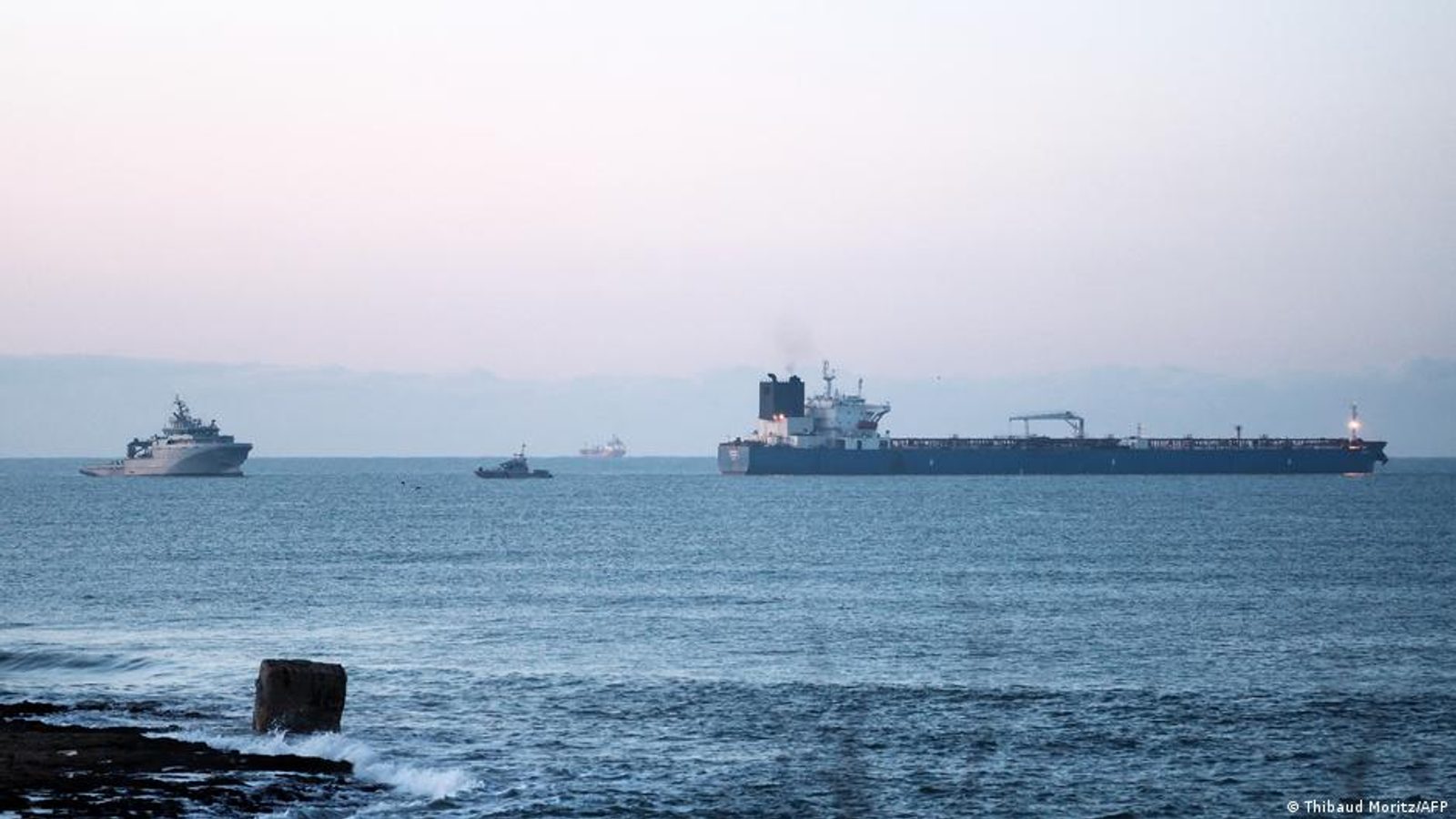
European capitals are weighing how far the EU can maintain pressure on Moscow if Washington scales back measures against the so‑called Russian "shadow fleet." On 30 October 2026 reports emerged that the US is considering turning some tankers from that fleet into legally operating vessels to carry oil that is not subject to sanctions.
The shadow fleet — a collection of often ageing, uninsured and poorly maintained tankers that hide their movements by switching off tracking transponders and masking the vessels' origin or destination — has expanded sharply since Russia's full‑scale invasion of Ukraine. Financial analytics firm S&P Global estimates those ships now account for almost 19 percent of the world’s oil tanker capacity.
Experts warn the practice carries environmental and maritime‑safety risks. Elizabeth Brau, a senior fellow at the Atlantic Council, said, "'The 'shadow fleet' is a real threat." She added that "it's not in anyone's interest" for such ships to operate freely across the world's seas.
What Washington's move would mean for Europe
Washington's reported shift — described by US Energy Secretary Chris Wright as an effort to "turn tankers that operate illegally into legitimate tankers" — has alarmed analysts who say easing measures would undermine the sanctions architecture. "Sanctions are not being lifted," Wright said, while adding: "Some of those vessels will be moved from what I call the villains' fleet to the good guys' fleet. They will no longer carry sanctioned oil."
Michael Carpenter, a senior fellow for transatlantic security at the International Institute for Strategic Studies and a former US ambassador to the OSCE, warned that the change "would reduce the overall effectiveness of the sanctions regime." "That is the opposite of what the United States should be doing if it wants to end the war," he said, arguing any easing would push Washington and Brussels in divergent strategic directions.
Ben Harris, vice president and director of economic studies at the Brookings Institution, added that loosening restrictions "would substantially make it easier for Russia to sell oil at market prices," improving Moscow's fiscal position because a large share of state revenue depends on energy markets.
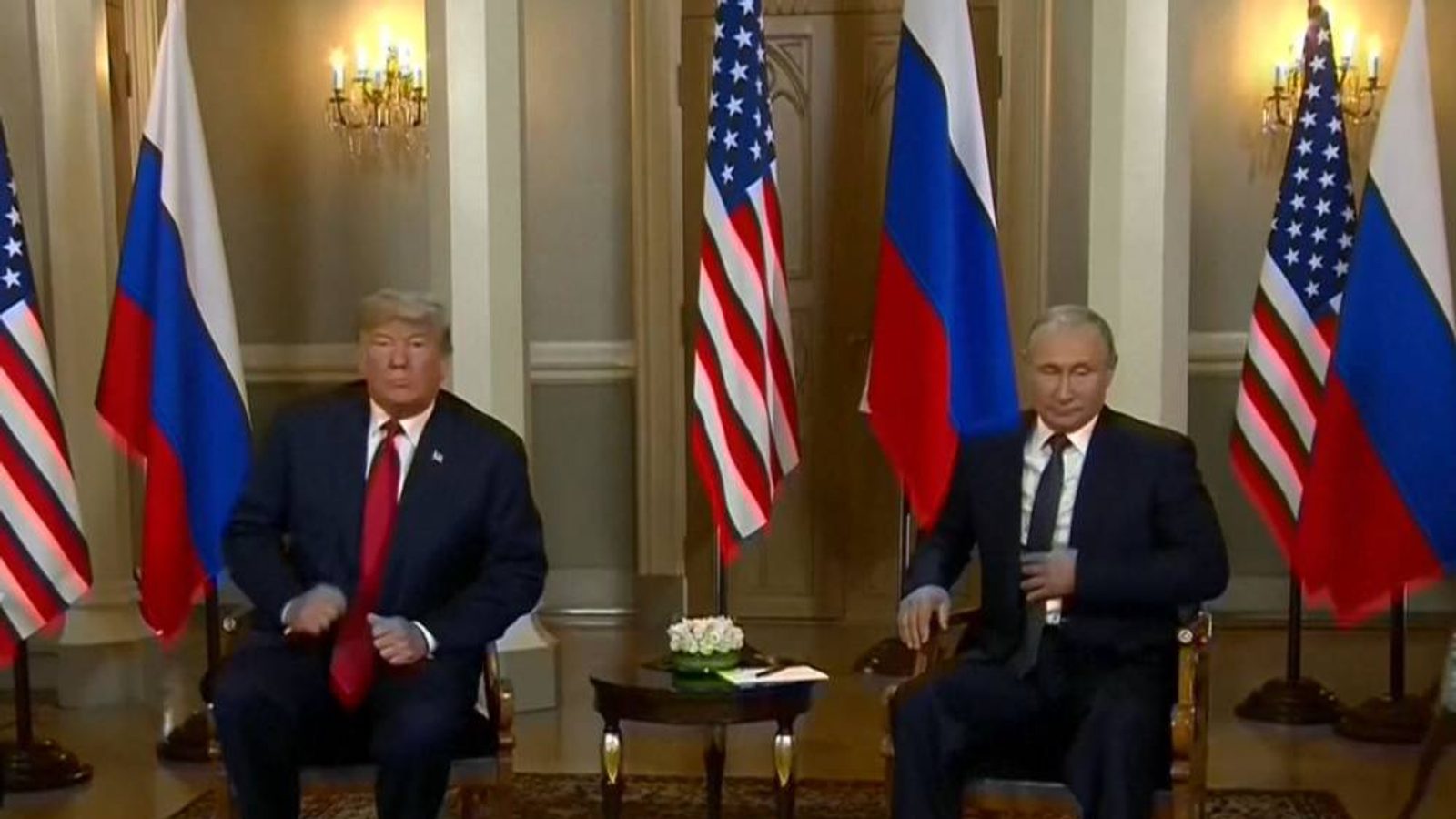
Those concerns come against the backdrop of a recent bilateral deal between US President Donald Trump and Russian President Vladimir Putin that enabled increased sales of Russian diesel on world markets. Kyiv and many European partners have argued the pact risks weakening the credibility of sanctions and reducing economic pressure on Moscow ahead of the US midterm elections on 3 November.
With Washington reportedly exploring exceptions, European policymakers now face hard choices. Experts say Brussels retains some tools — notably control over insurance, maritime services and port inspections — that can keep pressure on sanctioned shipments even without full US backing. "Many of these shadow tankers pass through the Baltic Sea and exit via the Danish straits," Carpenter noted, arguing the EU is uniquely positioned to board and inspect ships transiting that choke point. But analysts caution that without US support, European states would also shoulder greater political and legal risks, including the threat of Russian reprisals such as seizure of vessels flagged to EU countries.
Photo: press material from the event