EU proposes Digital Fairness Act to tighten rules on influencers and online shops
Proposal unveiled on 11 Nov 2026 would force clear labelling of paid posts, curb dark patterns and ban fake discounts that cost consumers about €8bn last year.
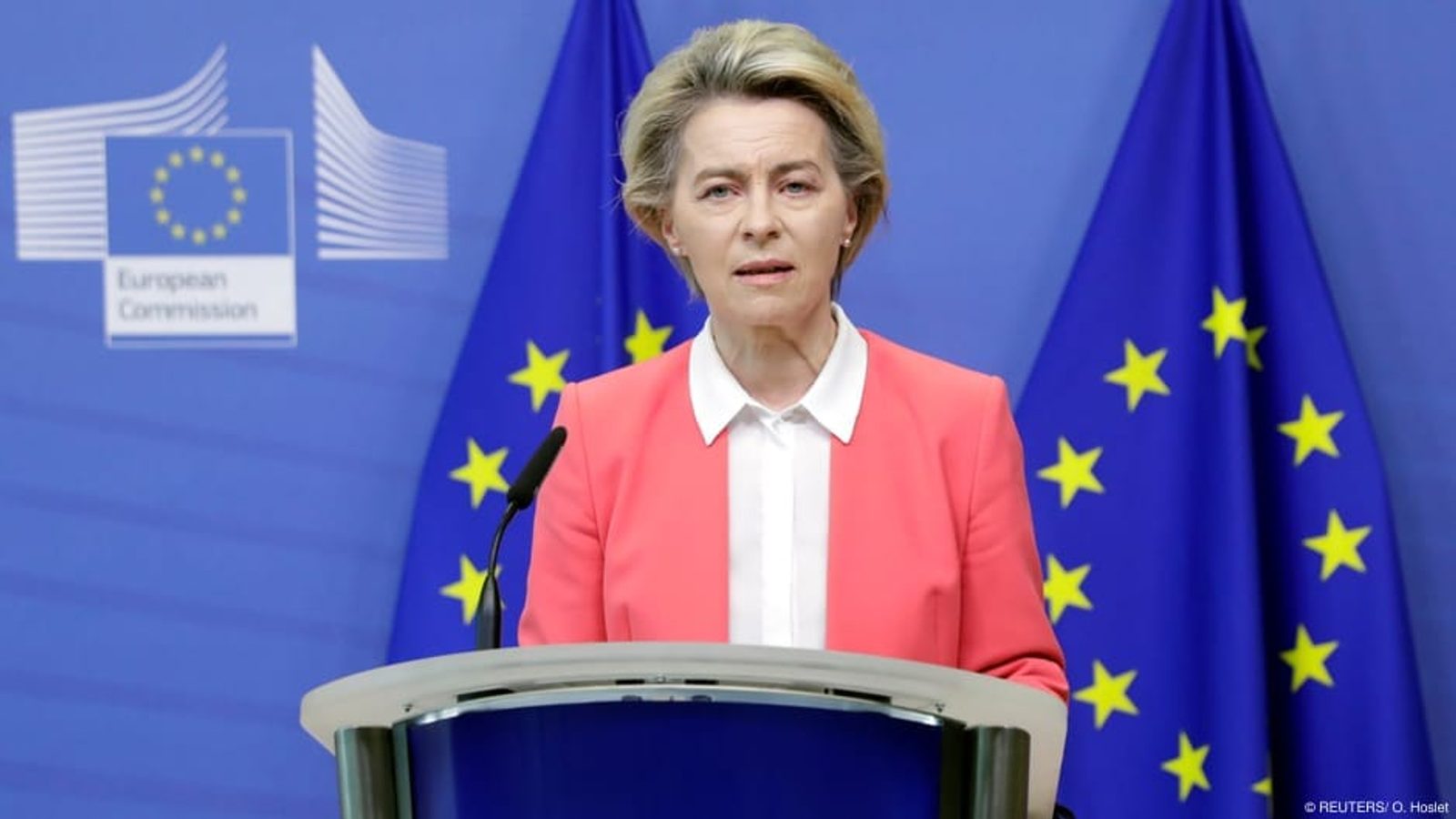
On 11 November 2026 the European Commission unveiled a legislative proposal dubbed the Digital Fairness Act that aims to strengthen consumer protections online by tightening rules on advertising, algorithms and commercial practices. The draft targets influencers, online shops and a range of design techniques that regulators say can mislead or trap users into unwanted subscriptions.
Key limits for influencers and sales tactics
The proposal would require anyone using their social-media reach for paid promotion to label such posts clearly, forbid deceptive promises and ban advertising specifically aimed at minors. It also targets so-called dark patterns — interface designs intended to keep users’ attention or to make cancellation and price transparency difficult.
European Commission President Ursula von der Leyen framed the initiative as a response to harmful online designs: "With the Digital Fairness Act we fight against harmful designs on the internet, designs which create addiction — such as the methods that deliberately retain users' attention, non-transparent contracts, subscription traps and manipulations," she said.
Policymakers in Brussels point to the financial scale of the problem: the Commission estimates that harmful online business models caused roughly eight billion euros of consumer harm in the EU last year. That figure has been used to justify prohibitions on practices such as fake discounts — where a supposedly reduced price is only visible because an artificially inflated previous price is shown — and manufactured scarcity messages like "Hurry! Only two items left."
German SPD MEP Katarina Barley welcomed measures that also tackle adults' exposure to addictive design. "I hope this will also apply to adults," she said, warning that companies consciously employ addictive design choices.
Not everyone is convinced a new standalone law is needed. Some business groups argue that existing EU rules — including the Digital Services Act, the Digital Markets Act, the proposed AI Act, the Consumer Rights Directive and plans for an EU Children’s Act — could already address many of these issues. Alexandra Geese, a Green MEP and digital-policy expert, said the new act could improve users' freedom of choice but cautioned that it must not inadvertently legitimise practices that are already sanctionable under the Digital Services Act. "The Digital Fairness Act could be an opportunity to establish a right to free choice of content. But the greatest danger is that practices that can already be sanctioned under the Digital Services Act become legitimised by the new law. If, for example, measures that foster addiction are allowed as long as users do not explicitly say they dislike them, then the level of possible protection could even be reduced," she warned.
Negotiations in the European institutions are entering a critical phase. According to the Commission's timeline, the new "fair rules" could become legally binding no earlier than 2029.
Photo: press material from the event