EU leaders debate controversial €1.826 trillion budget for 2028–2034 at Brussels summit
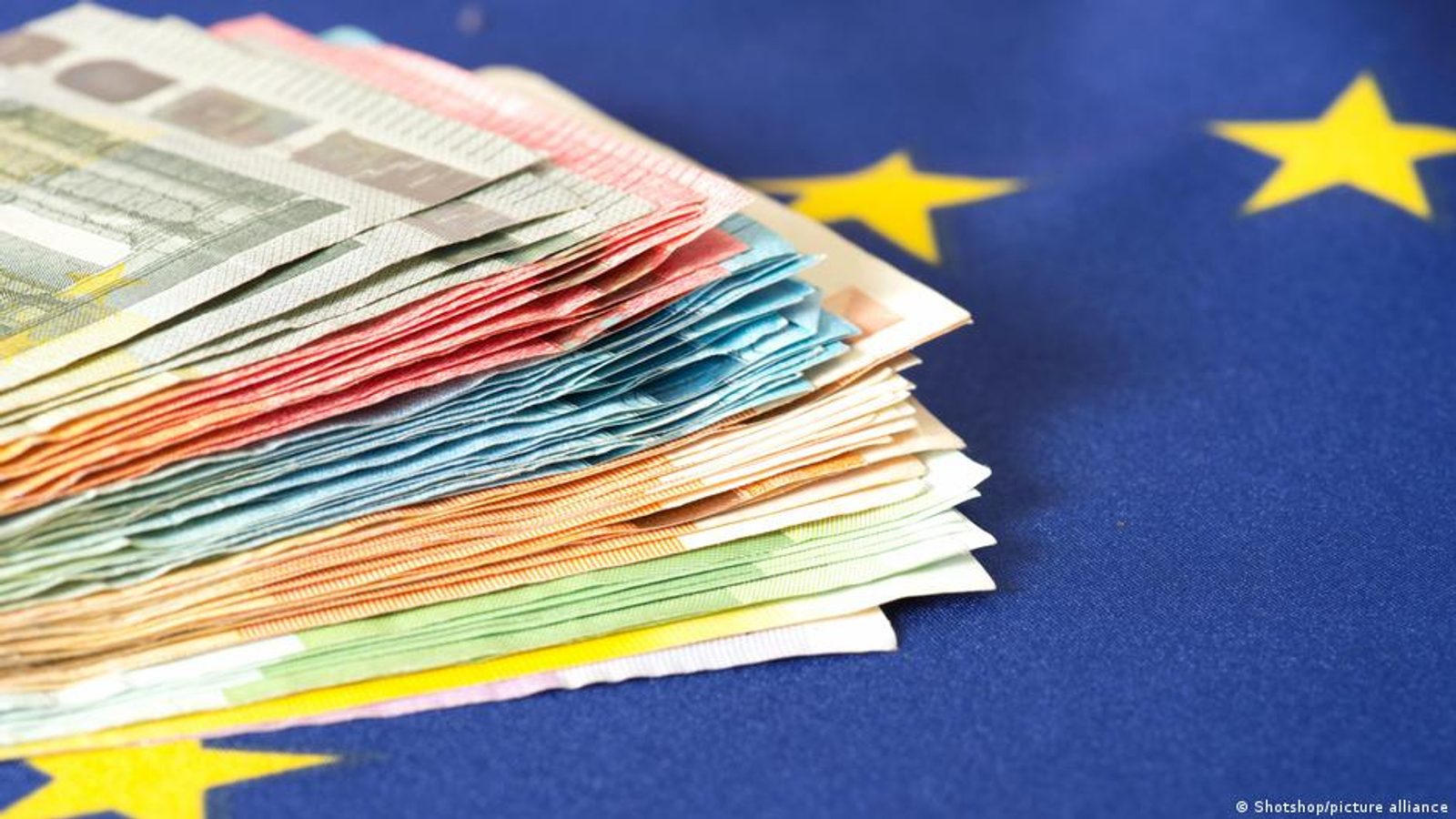
A new compromise would lower the seven‑year budget to about €1.826 trillion, but Germany and other net contributors reject the plan.
Leaders of the 27 European Union member states gathered in Brussels on 15 October 2026 for the autumn EU summit, where negotiations over the next long‑term EU budget are set to dominate talks across the two‑day meeting.
Budget row risks overshadowing other priorities
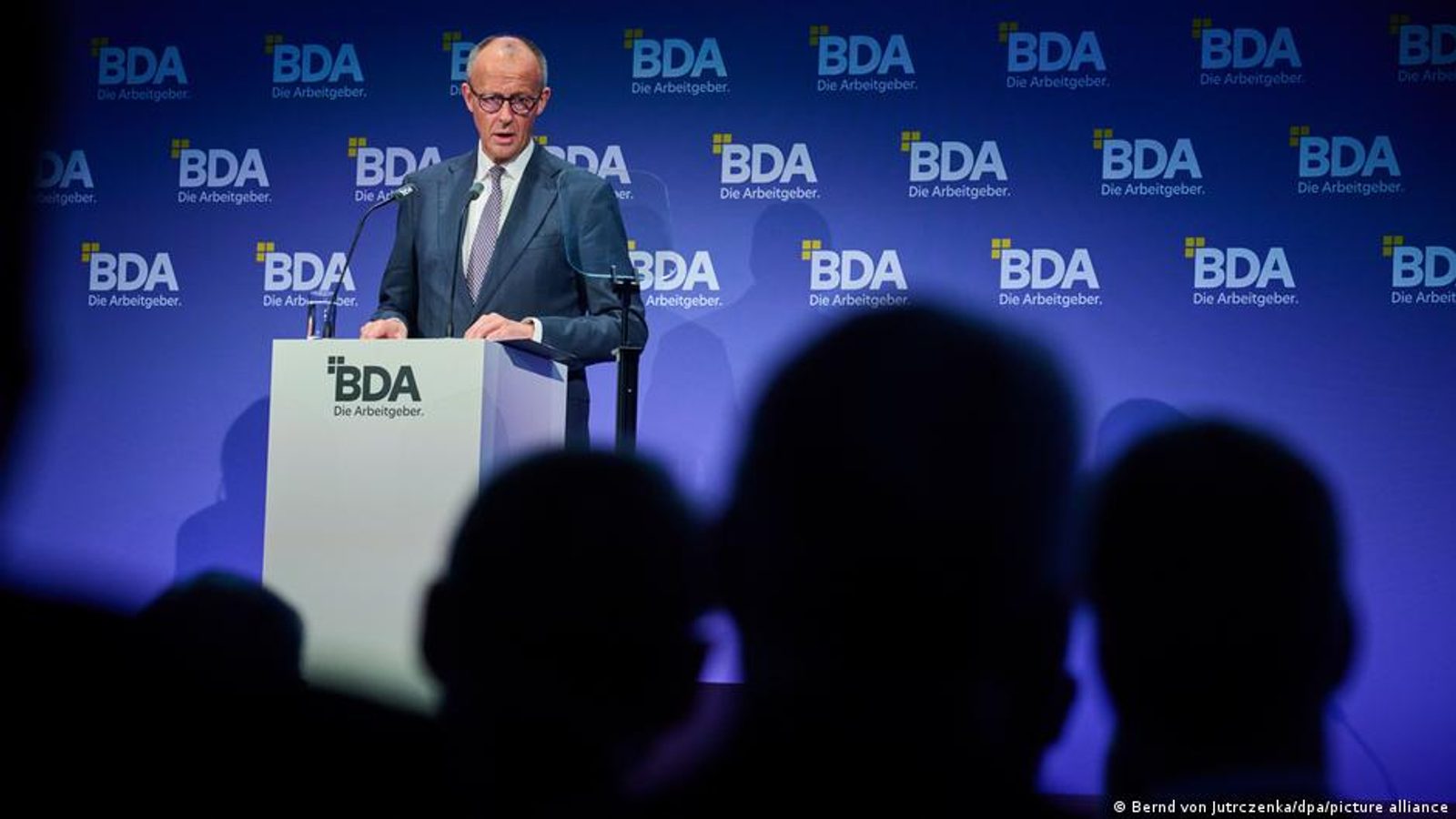
At the heart of the dispute is a new compromise put forward by the Irish Presidency of the Council of the EU that would cut the seven‑year budget to about €1.826 trillion for 2028–2034 — roughly €159 billion less than the European Commission's original proposal. The plan was sharply criticised over the weekend, with German Chancellor Friedrich Merz publicly dismissing the concept as unacceptable within hours of its publication.
Net contributor countries such as Germany, the Netherlands, Sweden and Austria have pushed for larger reductions, arguing they pay more into the EU budget than they receive. Their demands previously sought cuts amounting to several hundred billion euros.
Compulsory reductions target programmes earmarked for competitiveness, research, defence and external and development policy, while traditional expenditures — notably agriculture and cohesion policy — would be largely protected from the proposed cuts.
Cohesion policy, intended to reduce economic and social disparities between European regions, remains politically sensitive because it primarily benefits less prosperous areas and their economies.
The summit agenda also includes support for Ukraine and trade relations with China. Ukrainian President Volodymyr Zelensky is a guest for Friday morning talks on 16 October 2026, and enlargement discussions — covering Ukraine, Moldova, Montenegro and Albania — are scheduled for Thursday evening. Any agreement on the EU’s long‑term budget is expected by the end of the year, but the current disagreements make a timely breakthrough uncertain.
Photo: press material from the event