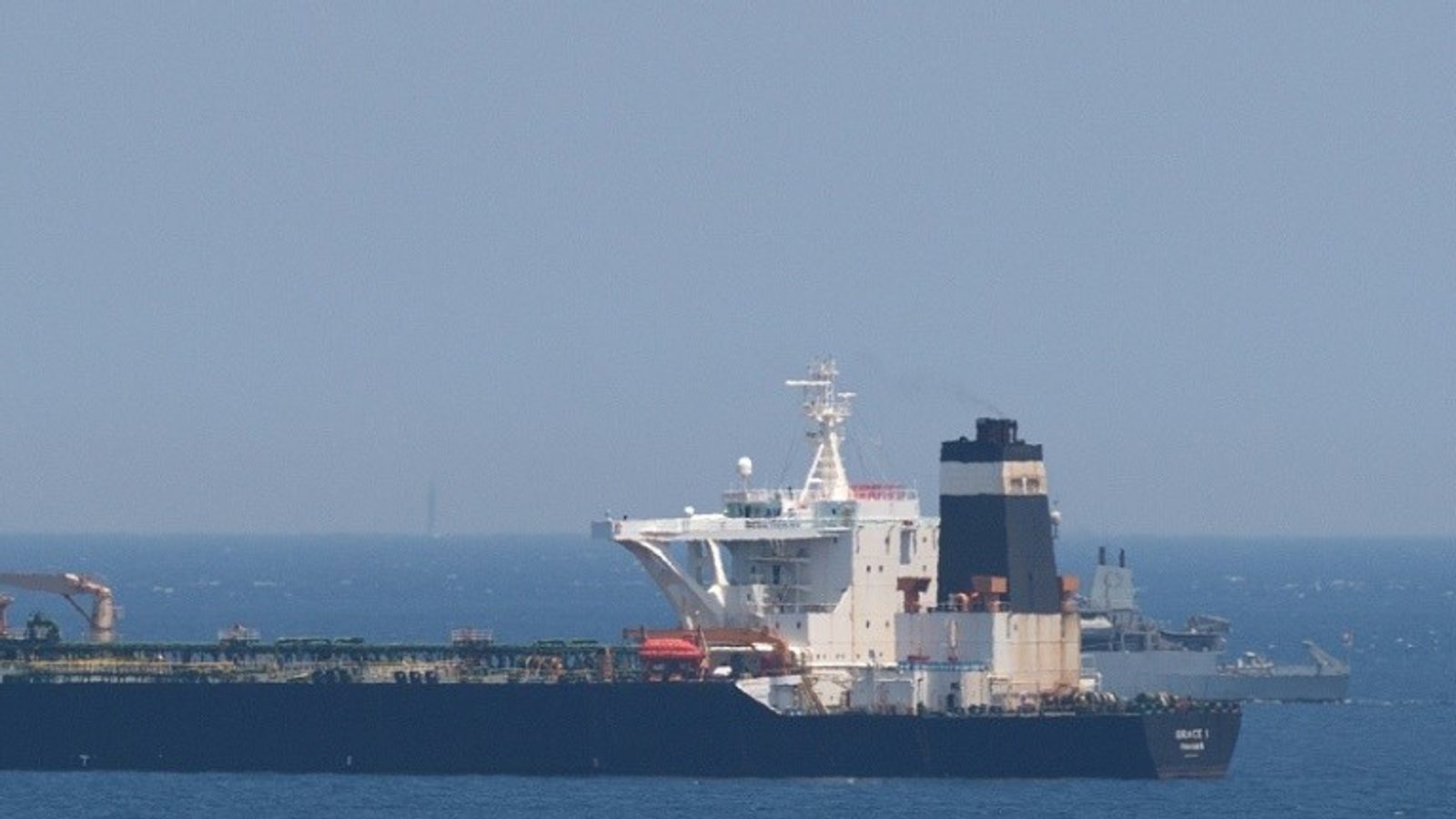
Europe faces winter with lowest gas stocks in over a decade
EU storage was about 63% full in the last week of August — far below the ~80% seasonal norm — leaving inventories at their weakest since 2013.
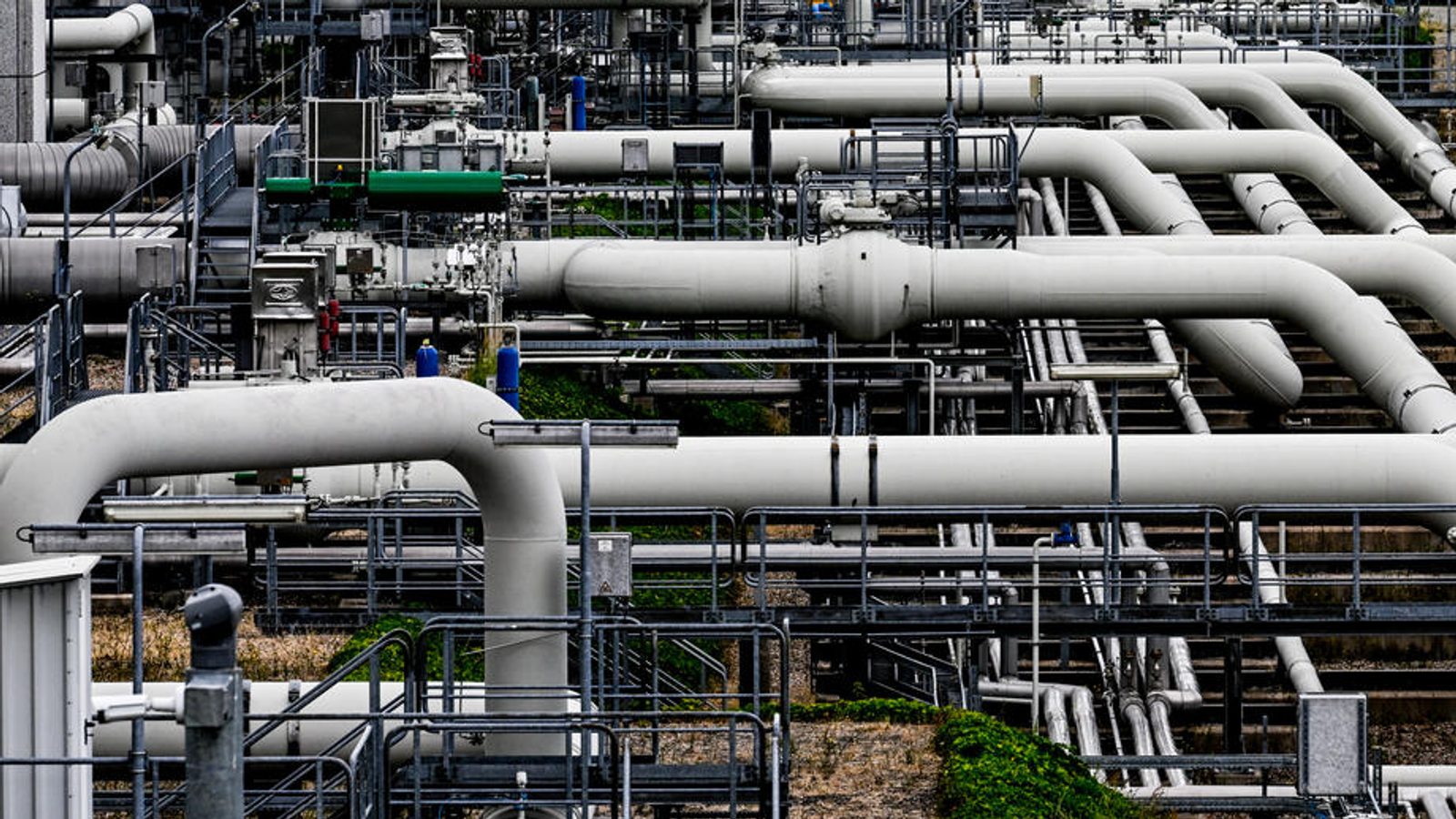
European countries may enter the coming heating season with the weakest gas inventories in roughly 13 years, raising fears of sharp price rises if winter demand spikes.
At the end of August, storage facilities across the European Union were about 63 percent full — well below the roughly 80 percent typical for this time of year. If the slow refill rate continues, the EU could start the winter with stocks around one-fifth lower than the five‑year average and at the lowest level since 2013.
Regional shortfalls and market signals
"Lower stock levels naturally increase the risk of greater price volatility during the winter," said gas analyst Greg Molnar. The problem would be amplified by prolonged cold snaps or stretches of low wind, when demand for gas for heating and power generation rises.
Traders had expected a calmer summer after bets that shipping through the Strait of Hormuz would reopen and that larger volumes of liquefied natural gas (LNG) would arrive before winter. But refilling rates slowed after an American–Israeli war against Iran disrupted oil and gas exports from the Persian Gulf region. Stocks were also reduced by a cold finish to last winter and higher gas‑fired power use during summer heatwaves.
Physical shortages in Europe are not widely expected this winter, but markets are positioning for substantially higher prices. In recent weeks the benchmark European gas price topped 68 euros per megawatt‑hour — the highest in more than three years and more than double the level at the start of the year. Analysts at Goldman Sachs estimate that, unless exports from the Middle East return to normal, European prices may need to climb above 100 euros per megawatt‑hour to attract enough LNG for winter demand.
Western Europe is showing the shallowest buffers. Germany, which has the continent's largest storage capacity, is only a little above 50 percent full. Belgium sits at about 49 percent and the Netherlands around 44 percent. Conditions are markedly better in Italy, where storages exceed 80 percent, and in Poland, which is over 90 percent full.
The United Kingdom is particularly exposed because, despite large gas consumption, it holds relatively little storage capacity. The UK relies mainly on pipeline deliveries from continental Europe and Norway and on LNG imports from the United States and the Middle East. The British government is considering direct financial support to owners of storage sites and pipelines to help cover maintenance and modernization costs for the coming decades.
Separately, a deal was signed to build a gas pipeline between North Macedonia and Serbia, a development that regional officials say aims to strengthen supply links in the Western Balkans.
Photo: EPA-EFE/FILIP SINGER