EU weighs new membership rules amid fear of a 'Trojan horse'
Leaders will discuss enlargement and institutional reforms at the European Council on 15–16 October; changes under consideration aim to prevent a larger Union from becoming harder to run.
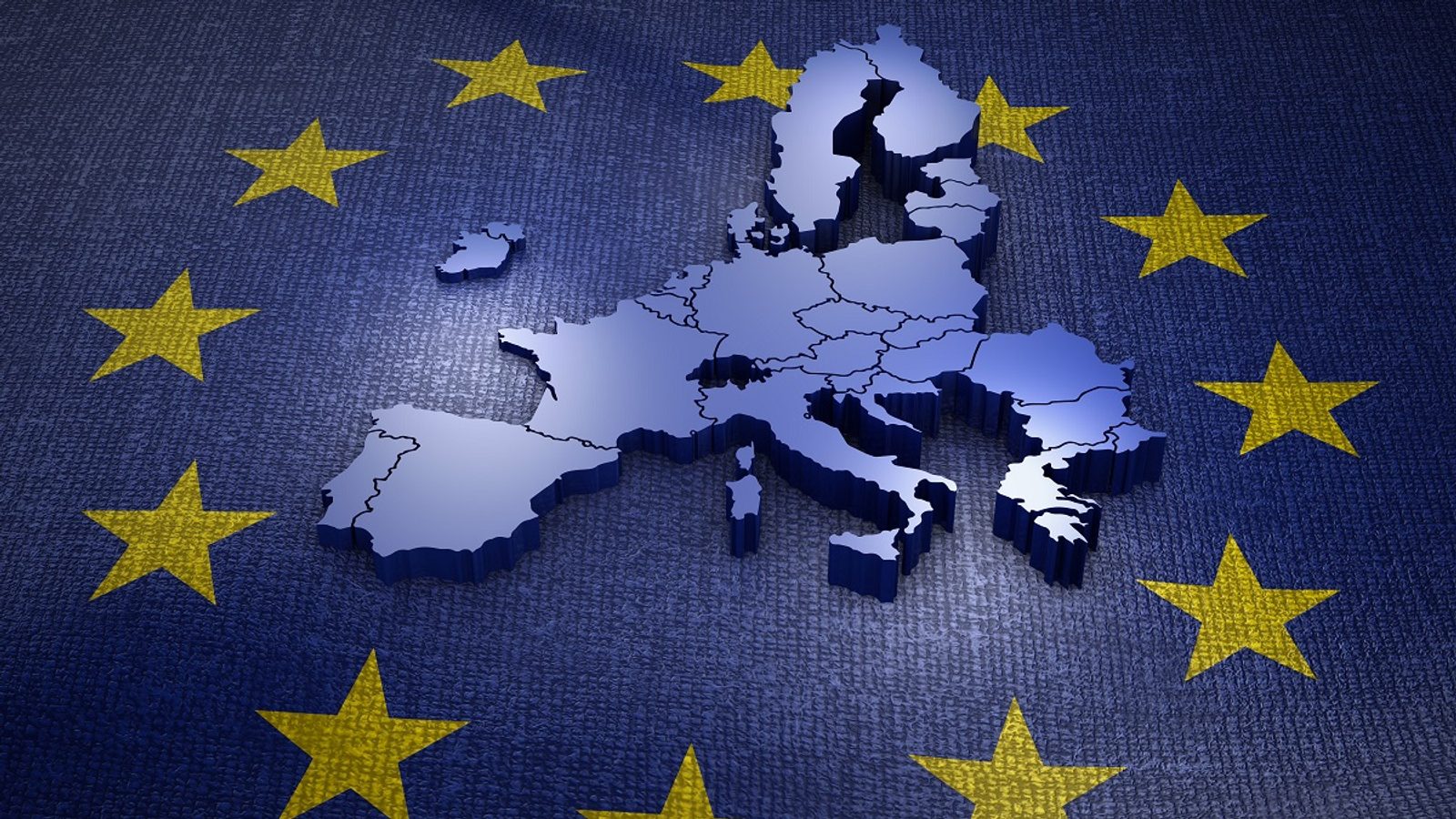
The European Union is reopening a difficult debate ahead of the next enlargement wave: how to accept new members without paralysing decision-making in a larger bloc. Leaders are expected to begin shaping answers at the European Council meeting on 15 and 16 October this year.
Institutional questions move to the centre of the enlargement debate
European institutions are reported to be preparing proposals that would redesign some rules for future members. The aim is to reassure existing capitals that faster enlargement will not make EU decision-making harder or complicate the allocation of EU funds.
Several member states are said to be cautious about a rapid intake of new countries. France, Germany and the Netherlands are among those described as reserved, with a main worry that newly admitted governments might later change course and then be able to block key EU policies — a fear described by a diplomat as the risk of introducing a "Trojan horse."
For North Macedonia the debate has extra weight: the country remains part of the broader Western Balkans enlargement process while accession tracks for Ukraine and Moldova have also been accelerated. Brussels insists that candidates keep meeting their obligations even as the Union prepares itself institutionally for more members.
Past enlargement cases are used as cautionary examples. Montenegro began accession talks in 2012 and still has all 33 chapters open, with 2028 mentioned as a possible date for membership only if all obligations are met. Turkey’s candidacy dates to 1999, negotiations opened in 2005 and the process has been effectively stalled since 2018.
Political analyst Sinisha Pekevski says he does not expect the autumn talks to produce a breakthrough that would immediately change the outlook for North Macedonia. "They are rocking the train, or rather the carriage, so we think it's moving," Pekevski says.
Pekevski adds that any formal changes to enlargement rules would require unanimous agreement from all member states, making substantive shifts difficult. "In essence, nothing will change with that, nor will any new criteria be adopted, because that requires a unanimous decision of all EU members. And to be realistic, regardless of the debates in Brussels, North Macedonia does not show, with the state of affairs in the country, that it is ready for EU membership," he says, citing past domestic issues and governance problems.
He also warns that other candidates seen as more advanced — such as Albania and Montenegro — may face new blockages by member states protecting their interests, and that the EU appears more focused on internal restructuring than on quick enlargement. "Monty Python, in essence, is happening inside the EU, which is in a deep crisis. It actually needs a drastic reform first," Pekevski says, concluding that leaders at the October summit are likely to hold discussions rather than deliver a final, spectacular decision.
Photo: press material from the event