European Parliament adopts resolution on Vukovar and urges Serbia to open archives
The Strasbourg vote honours victims, calls for access to Serbian archives and draws a sharp response from Russia.
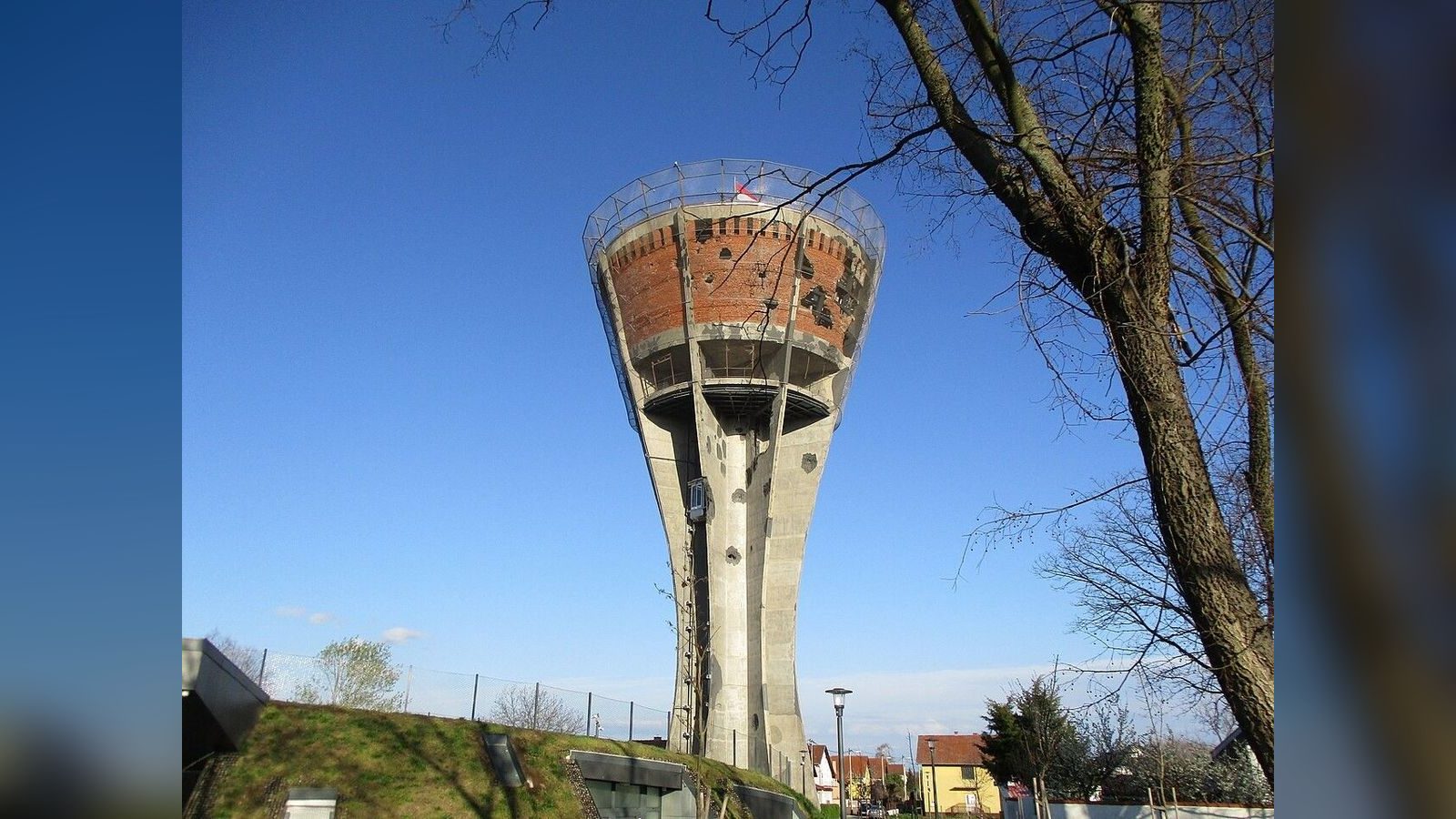
The European Parliament adopted a resolution on Vukovar during the Strasbourg plenary session, marking the 35th anniversary of the town's fall and destruction and urging Serbia to open its archives to help locate missing persons.
Key points and reactions
The text pays tribute to those who died, condemns the glorification of convicted war criminals and calls on Serbia to provide access to archival material and records that might explain the fate of people who disappeared during the Homeland War. The resolution was signed by all Croatian MEPs together with five colleagues from Sweden, Germany, Spain, Austria and Belgium.
Residents of Vukovar, relatives of the missing and killed, and former detainees in concentration camps followed the vote from the visitors' gallery. They had travelled to Strasbourg at the invitation of MEP Carlo Resler and were greeted with applause by members of the parliament.
Parliamentarians stressed that the memory of Vukovar belongs not only to Croatia but to Europe as a whole, serving as a reminder that protecting peace and human rights requires constant vigilance and dialogue. Croatia continues to search for 1,725 missing persons from the Homeland War, many from the Vukovar area and the Croatian Danube regions. Ljiljana Alvir, president of the Association of Families of Detained and Missing Croatian Defenders, said the resolution gives "a small new hope for clarifying the fate of the missing."
The resolution mentions crimes committed at Ovčara and at the Velepromet trading complex in Vukovar, and lists detention camps run by the Yugoslav People's Army (JNA) on Serbian territory, including Stajićevo, Begejci, Niš, Belgrade, Novi Sad and Sremska Mitrovica. It recalls Slobodan Milošević's 1989 Gazimestan speech and the Greater Serbia concept, while also noting the apology addressed to Ovčara by former Serbian president Boris Tadić in 2010 and the peaceful reintegration of eastern Slavonia, Baranja and western Syrmia.
The European Parliament strongly condemns all forms of denial, downplaying or glorification of war crimes and any rehabilitation of convicted war criminals in the region. The text also refers to the honours paid to the commander convicted of genocide, Ratko Mladić, on the occasion of his funeral in Belgrade in September this year. The resolution instructs the President of the European Parliament, Roberta Metsola, to forward the document to the Council of the European Union, the European Commission and the governments and parliaments of member states and Western Balkan countries.
Russia reacted through Maria Zakharova, a spokeswoman for the Russian Foreign Ministry, who accused MEPs of attempting a crude falsification of history and said that "the concealment of facts about the suffering of Serbs is a criminal act." Zakharova replied to a question from a journalist from RT Balkans, who had argued that the European Parliament's text omitted mention of Serbian suffering during the Homeland War; she also invoked the recent reaction in Serbia from the Student List which described the passage on war reparations as unacceptable.
Photo: press material from the event